
When sourcing goes sideways
Shipping a pallet of solar hybrid inverter units to a utility-scale site feels simple until port tariffs and hazardous-goods rules turn a straightforward order into a week-long scramble. The problem-driven thread here is concrete: tariff classifications, documentation mismatches, and dangerous-goods declarations add direct cost and delay to procurement timelines. Real-world anchors—like the Suez Canal blockage of March 2021 and repeated congestion at the Port of Rotterdam—show how external chokepoints can cascade into higher demurrage and rework for electronics that include batteries and capacitors.
Where costs hide in plain sight
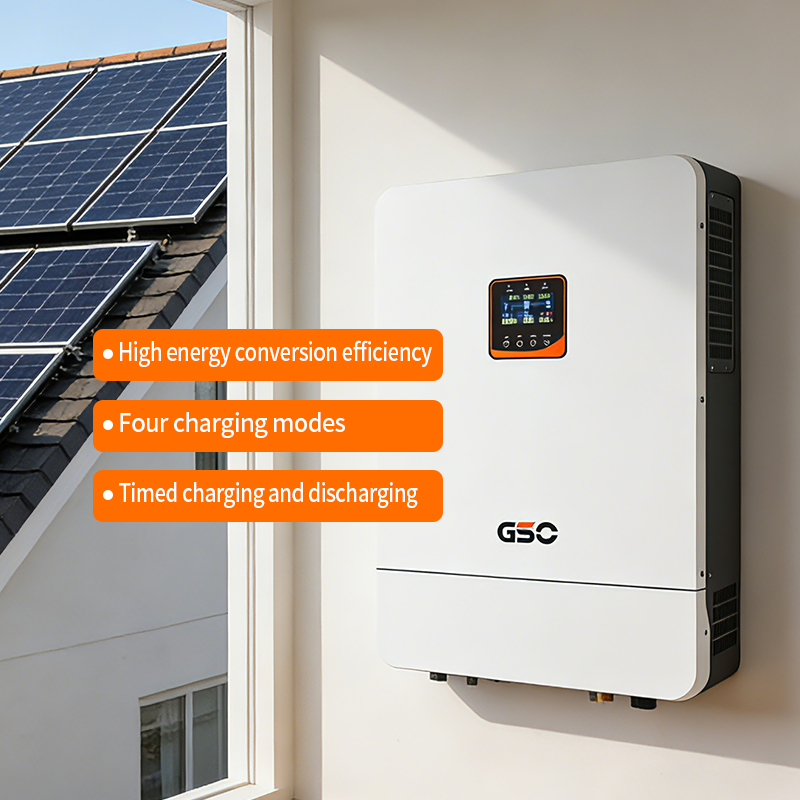
Tariffs are not just headline percentages. They live in commodity codes, certificate requirements, and classification nuances for items such as inverters and battery modules. A single wrong Harmonized System (HS) code can shift an entire container from a standard electronics tariff to a higher-duty electrical machinery bracket. Add in environmental levies or port-specific surcharges, and margins erode quickly. The arithmetic is simple: small miscoding multiplied across a bulk order equals thousands in unexpected fees.
Packing, compliance, and dangerous-goods logistics
Hybrid units often contain small batteries, electrolytic capacitors, and components that trigger dangerous-goods rules. Proper packaging, UN testing, and accurate Safety Data Sheets are non-negotiable. A robust pack plan will call out the DC isolator state, IP rating, and battery management system features so inspectors know they’re dealing with compliant equipment. —This attention prevents last-minute re-labelling or hazardous-goods uplifts that stall vessels.
Operational moves that cut delays
Start with a pre-shipment compliance checklist aligned to IEC 62109 and local import rules. Use a single source of truth for HS codes and supplier declarations. Consolidate shipments where feasible to optimize container utilization and reduce per-unit tariff exposure. Work with carriers that publish port-specific tariff tables in advance and negotiate a cap on demurrage for predictable projects. Where available, choose roll-on/roll-off or direct feeder services that bypass congested hubs—those lane choices save days on the ground.
Common mistakes teams keep repeating
Teams often assume “electronics” is a sufficient description and skip component-level declarations. They also accept standard FOB terms without locking responsibilities for dangerous-goods handling. Mistakes to avoid: mismatching the product spec to the HS code, failing to name the type of battery chemistry, and ignoring IP rating documentation. Fix those and you cut hold times and inspection fees—simple as that.
How to evaluate carriers and partners
Compare three objective metrics when selecting a forwarder: historical on-time performance to your port, documented experience handling hazardous electronics, and clarity on tariff pass-throughs. Ask for sample Bills of Lading and previous customs clearance times. Inspectors will want component-level specs for a hybrid solar power inverter the same way they do for any PV array system—detailed, verifiable, and consistent.
Checklist and mistakes to avoid
Use a short, practical checklist before booking freight: ensure UN test numbers, confirm HS codes, verify battery chemistry, secure IEC compliance docs, and pre-pay provisional duties if that speeds clearance. Don’t assume a carrier’s “hazmat experience” extends to electrical inverters with embedded batteries—request proof. —This tiny extra step prevents large downstream rework.
Advisory: three golden rules for procurement and logistics
1) Verify classification at the engineering level: map PCB components, battery chemistry, and IP rating to the exact HS code before tendering. 2) Lock responsibilities in contracts: make dangerous-goods handling and tariff disputes explicitly allocated between buyer and supplier. 3) Track total landed cost by scenario: include potential demurrage, rework, and tariff swings so procurement decisions reflect realistic project economics.
These rules deliver measurable improvements in lead time, cost predictability, and fewer customs holds—results professionals will see on the balance sheet. For pragmatic supply chains handling bulk inverter orders, that clarity is the operational edge—one that companies like gsopower build into their product documentation and logistics support. —A clear paper trail saves time and money.