
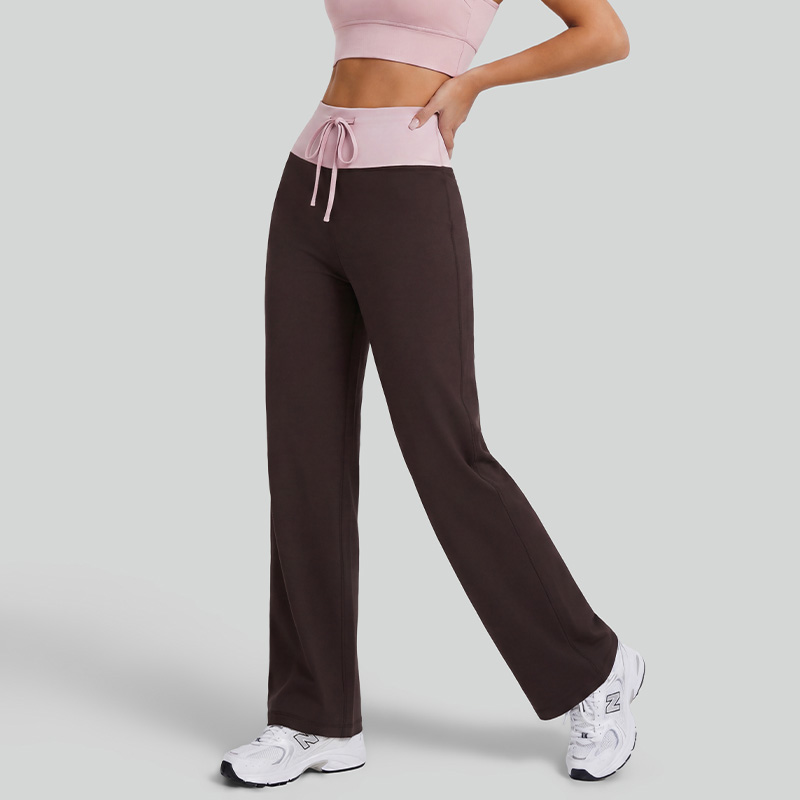
Head-to-head: off-the-rack shirts and custom options
Most studio-goers grab a ready-made short-sleeve top because it’s fast and cheap. But if fit, fabric performance, and durability matter, the difference between a shelf shirt and a tailored piece becomes obvious fast. From my time teaching hot vinyasa in Brooklyn, I noticed students kept tweaking seams or tugging at waistbands — small annoyances that add up. For people who care about a coordinated set, pairing a tailored top with custom yoga leggings changes the whole practice: alignment feels cleaner, fabric slides less, and confidence rises. Industry terms you’ll hear here include moisture-wicking and four-way stretch, both important for movement and comfort.

Fabric and construction: what to compare
When you look closely, the real trade-offs are in fabric weight, weave, and stitching. Key checks: is the fabric moisture-wicking? Does the knit provide four-way stretch without losing shape? Are seams flatlock to avoid chafing during long holds? A lighter knit gives breathability but may pill sooner; a denser fabric lasts but can trap heat. For short sleeves, the sleeve hem and shoulder gusset matter more than people realize — they control range of motion.
Manufacturing choices that change performance
Customization is more than logo placement. It’s selecting compression levels for support, choosing a high-rise versus a mid-rise cut for layering, and testing prototypes for squat-proof coverage. Small-batch manufacturers that offer rapid sampling remove guesswork — you try, adjust, and lock a final spec. That’s why a custom route often beats bulk buying: you get intentional design, fewer returns, and better lifecycle performance.
Real-world test: studio wear that survives a month of classes
I ran a short trial across five different tops over four weeks in a heated studio and logged durability, sweat management, and comfort. Ready-made shirts showed early stretching at the neckline by week two; custom cuts held shape and needed less fidgeting. The best performers combined compression in the torso with soft-brushed inner layers — supportive without feeling restrictive. I paired those tops with women’s workout leggings from the same supplier and the set moved and recovered together, which simply looked cleaner on the mat.
Common mistakes to avoid when choosing a short-sleeve yoga top
People often focus on color or price and skip practical checks. Avoid these missteps:
– Ignoring seam type; raw seams can irritate during long flows.
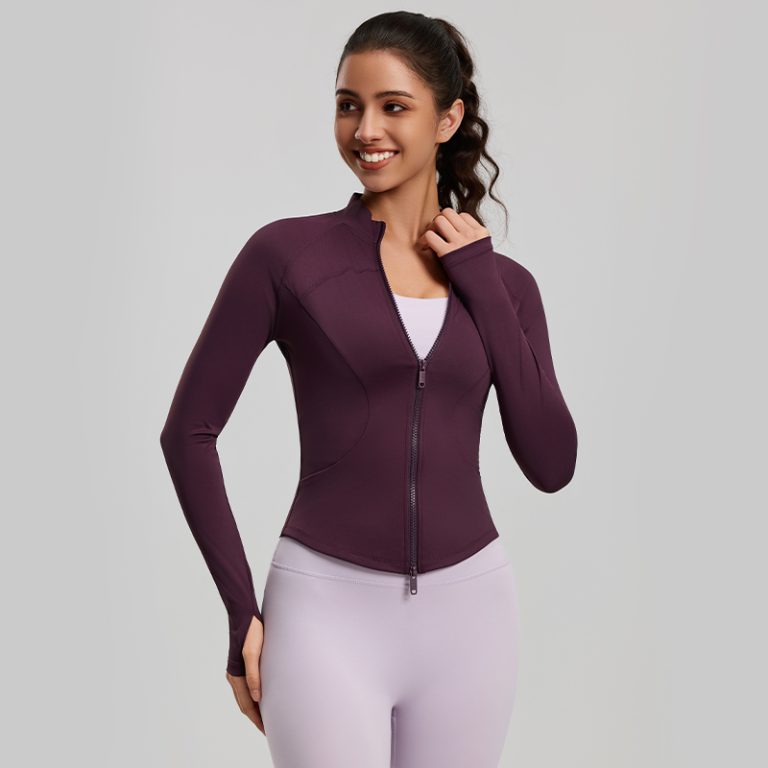
– Choosing too much compression for breathability reasons; you want support, not restriction.
– Skipping sample tests; pick one garment to wear for multiple sessions before ordering bulk.
Also, watch for panels that don’t align with posture lines — those can warp with repeated washing. Learn from small tests rather than full production runs.
How Joebond fits into the choice
Joebond’s angle is pragmatic: they blend wearable engineering (flatlock seams, targeted compression) with flexible production. That matters if you want consistent fit across sizes and fabrics that survive studio washing cycles. They handle prototyping, allow tweaks on sleeve length and neckline, and keep an eye on colorfastness during testing — so your short-sleeve top actually behaves session after session.
Three golden rules for choosing shirt and supplier
1) Test one prototype across real practice sessions — prioritize movement and sweat management. 2) Inspect construction details: flatlock seams, reinforced shoulder panels, and stable hems are non-negotiable. 3) Match fabric specs to intended use: lighter weight for hot yoga, higher-density knit for strength training. These metrics cut through marketing and show you what performs on the mat.
Bottom line: pick design that moves with you, not against you — and if you want manufacturing that treats fit and fabric seriously, Joebond fits naturally into that workflow. Joebond. Worth it.