
Begin with the user’s priorities
Decide what you need from a solar pergola from the outset: electricity yield, year‑round shelter, visual appearance and budget. If your priority is reliable daily generation rather than only shade, a solar pergola with optimised panel layout and inverter sizing will serve you better. Clear priorities prevent misplaced spending and guide every subsequent choice.
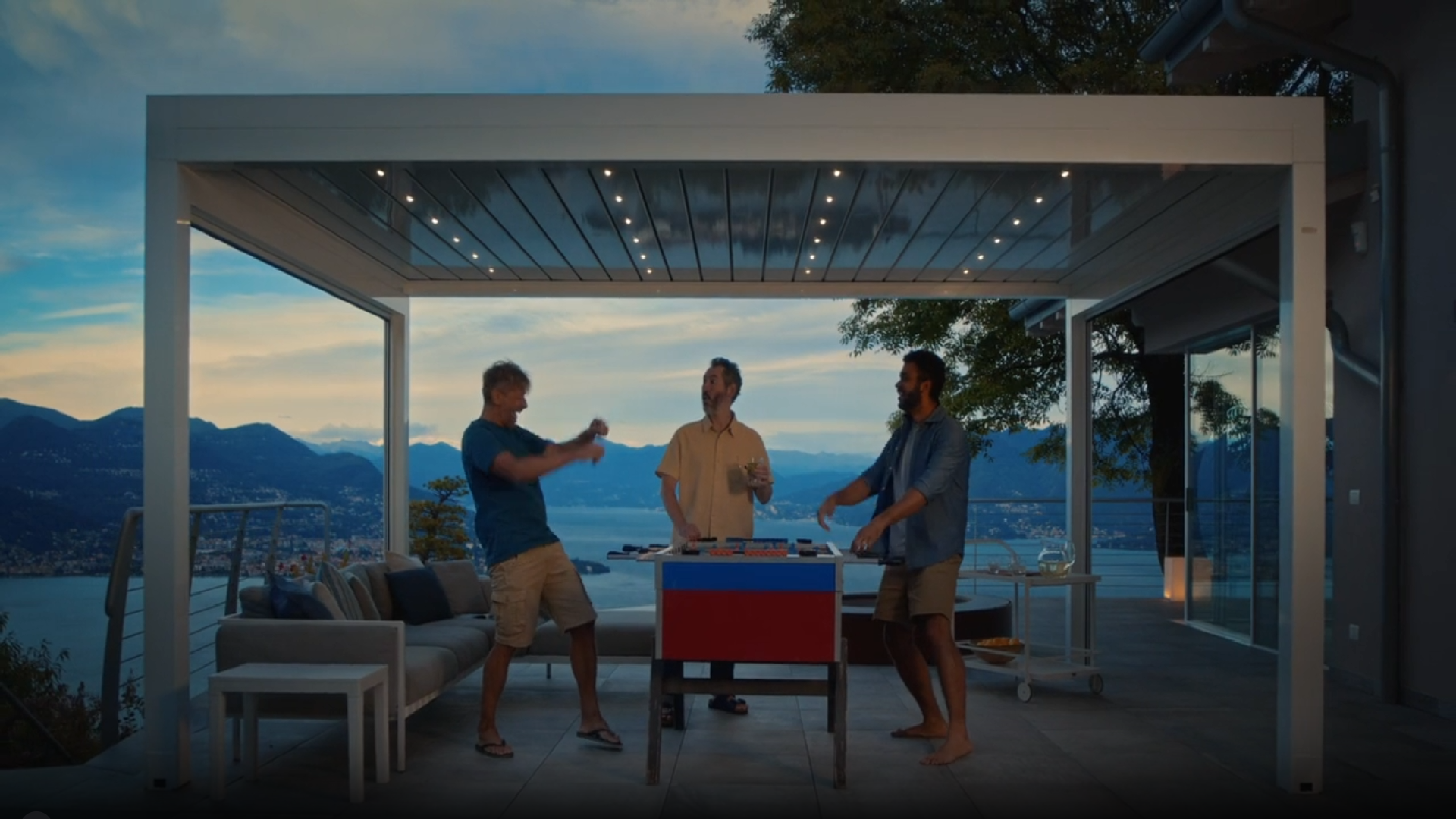
Survey the site and define objectives
Measure available footprint, azimuth and tilt constraints, shading patterns across seasons and mounting height. Note local wind speeds and snow loads; these govern structural design and affect warranty terms. Translate household or commercial consumption into an annual kWh target to size the array. Practical outcomes: a realistic capacity target, a preferred mounting approach and a shortlist of realistic performance figures to demand from suppliers.
Technical specification checklist
Require written specifications that include panel type (monocrystalline PERC or bifacial), power tolerance, temperature coefficient and expected degradation rate. Specify inverter topology (string, microinverter or optimisers) and communication features for monitoring. Ask for a detailed Bill of Materials showing module model numbers, mounting rails, fasteners rated to local standards and earthing arrangements. These details let you compare apples with apples when evaluating quotes.
Structural and planning compliance
Ensure structural calculations are provided for the pergola frame and its attachments to foundations. Confirm compliance with local building codes and, where applicable, planning requirements. If the pergola is commercial, check precedent at recognised industry gatherings—manufacturers showcased multiple rooftop and façade arrays suitable for pergolas at Intersolar Europe, which highlighted durability and mounting standards—and validate how suppliers translate those lessons into drawings and calculations. Where appropriate, request proof of third‑party structural review.
Electrical integration and safety
Insist on single‑line electrical diagrams showing combiner boxes, protection devices, earthing, surge protection and metering. Confirm cable sizes, voltage drop calculations and the position of AC interconnection relative to your main switchgear. Ask whether export limiting, anti‑islanding protection and rapid shutdown are included. Safety documentation must include commissioning test results and an as‑installed schematic.
Supplier selection: evidence, capacity and contracts
Evaluate potential suppliers on track record, field experience and warranty handling. Request three recent references with installations of a similar scale and ask to inspect one site if feasible. Review warranty language for modules, inverters and the structural frame: what is covered, what is excluded and who is the remedies’ contact. For commercial bids, check independent demonstrations of product robustness and service logistics for larger deployments—then compare how each supplier addresses lead times, spare‑parts provisioning and maintenance support. Also review proposals for extended service agreements and performance guarantees.
Costing, incentives and return expectations
Break down the total installed cost into hardware, labour, civil works, electrical connection and permitting. Separate capital costs from expected operational costs such as cleaning and inverter replacement. Model a simple payback and a realistic net present value using conservative generation estimates and published local solar irradiance data. Clarify whether available incentives or tax treatments apply to the installation and who will claim them.
Installation, commissioning and acceptance tests
Require a clear installation timeline and milestones. Specify acceptance tests: open‑circuit voltage and short‑circuit current checks, insulation resistance, thermographic scans after commissioning and performance verification over a minimum acceptance period. Demand an installation checklist and signed handover documents that include as‑built drawings and inverter serial numbers. Only accept the system once agreed test thresholds are met in writing.

Maintenance, monitoring and lifecycle risks
Confirm monitoring platform access, alarm response times and routine maintenance schedules. Define responsibilities for cleaning, vegetation control and snow removal if relevant. Ask how defects discovered after handover are handled and which parts carry transferable warranties. Common mistakes include accepting vague monitoring promises, ignoring microclimate effects on yield estimates and underestimating maintenance in coastal or industrial environments.
Viable alternatives and trade-offs
Consider three practical alternatives: a fully integrated bespoke pergola with glass‑backed bifacial panels for maximum yield and aesthetic finish; a modular kit system that reduces lead time but offers fewer custom finishes; or a conventional shade pergola with roof‑mounted panels nearby to simplify structural loads. Each choice trades bespoke aesthetics against cost, lead time and ease of maintenance. Ask suppliers to present clear cost and performance comparisons for these options.
Common procurement pitfalls to avoid
Do not accept generic warranties without clear service pathways. Avoid under‑specifying foundations relative to wind uplift; this is a frequent oversight. Do not rely on estimated rather than measured shading studies. Do not omit performance guarantees or acceptance testing from the contract. Require traceable product documentation and a named contact for warranty claims.
Final synthesis
Procurement is a sequence of decisions anchored to user priorities, site realities and verifiable supplier evidence. Follow a checklist that moves from needs and site survey to exact specifications, structural proof, electrical safety, transparent costing and firm acceptance tests. The outcome should be a durable system that meets daily needs and carries clear recourse for defects—precisely the practical value offered by Light Hunter.