
Problem: range limitations that stall growth
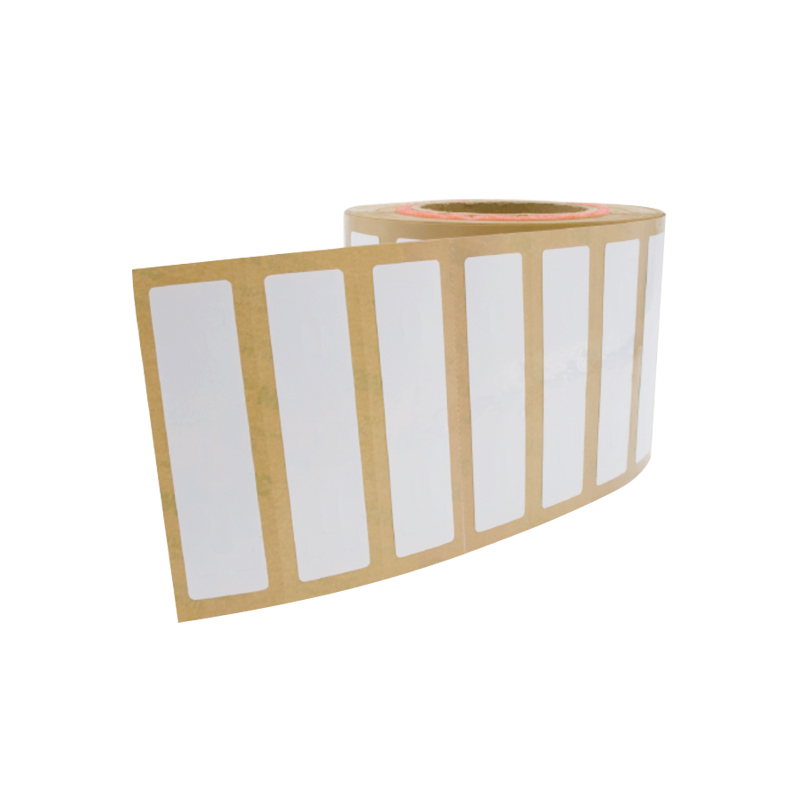
Many teams try to scale but hit a simple wall: tags stop being read far enough, data gaps appear, and logistics decisions slow down. You buy cheaper labels and hope for the best, only to find frequent blind spots. If your operation covers yards, multi-storey warehouses, or moving fleets, choosing the right read range matters. Start by checking the physical tag options — for example, OEM-grade RFID Labels can make a difference in reliability from day one.

What “active tag range” actually means for your workflows
Active tags carry their own power and broadcast signals. That translates to tens to hundreds of metres of consistent read range in typical facilities, and in open outdoor setups you can push beyond that with proper antennas and readers. Longer range gives fewer missed reads, simpler reader placement, and less hardware clutter where you need continuous location data. Expect trade-offs: longer broadcast intervals save battery but reduce temporal granularity; higher transmit power improves reach but shortens battery life. Plan for each asset type: high-value movable equipment wants frequent updates; pallet-level inventory may need only periodic checks.
Experience and evidence that matter
I’ve seen deployments across Southeast Asian ports and warehouses where real outcomes mattered—one notable example is work around the Port of Singapore, where long-range tracking was used to reduce handling delays and reconcile container movements more quickly. That real-world testing highlights what to expect from active systems and what to avoid. For obvious reasons teams tend to compare hardware, and the right choice often depends on the specific product family—look for proven asset tracking tags that match your environment and reporting cadence.
Common mistakes that kill scale (and how to fix them)
Avoid these errors: placing readers without onsite testing; using too-high intermediate intervals that miss short movements; ignoring antenna orientation; and treating tags like consumables without lifecycle planning. Fix them by running a small pilot under real working conditions, logging false negatives for a week, and adjusting reader density and tag broadcast settings based on the data. Keep spares and a battery-replacement plan. Track real battery drain, not just vendor estimates.
When to pick active RFID and what else to consider
Choose active RFID when you need consistent long-range reads, real-time movement data, or outdoor coverage across a wide footprint. If near-field inventory checks are your main need, passive RFID saves cost. If people tracking or fine indoor positioning is priority, BLE can be simpler to deploy. For very long, low-frequency telemetry, LoRaWAN offers range with low power but poorer location precision. Match the tech to the use case rather than picking the newest name in the market.
Practical next steps that keep growth steady
Start with a focused pilot, instrument measurable KPIs (missed reads per hour, time-to-locate), and adjust tag settings before scaling. Standardize hardware models and firmware so maintenance stays simple. Teams I work with scale fastest when they pair clear operational rules with tested hardware and a supplier experienced in integration; that kind of practical partnership is what helps projects move from pilots to full operations with confidence, as seen in several regional rollouts supported by RSTC.