

Opening the Framework
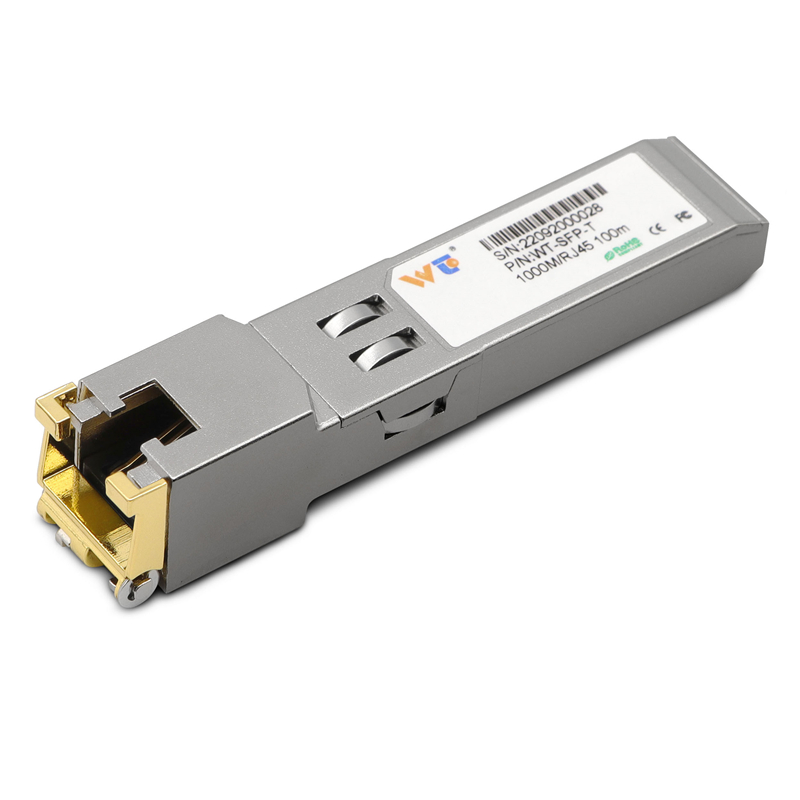
When you’re sizing up vendors for SFP modules that plug into copper networks, you need a clear path — not fluff. This guide lays out a step-by-step framework to vet manufacturers of SFP to RJ45 transceiver solutions, with the kinds of checks network engineers actually run when racks go live. Start with the physical interface: check the SFP form factor and verify the product supports 1000BASE‑T or the required PHY. For hands-on sourcing, look at suppliers who list detailed pinouts and DOM data — and see real unit photos before you buy. sfp to rj45 transceiver

Framework Layer 1 — Manufacturer Profile and Compliance
First, confirm the vendor’s manufacturing footprint and traceability. Look for clear process details: PCB assembly sites, burn‑in procedures, and batch trace numbers. Product pages should show supported standards like IEEE 802.3ab for 1000BASE‑T and give warm-up/test cycles for thermal cycles and link stability. Vendors who disclose production test parameters (voltage tolerance bands, BER thresholds during qualification, and DOM query response times) earn extra trust. Real-world anchor: most enterprise access links still use IEEE 802.3 standards, so compatibility here matters for day‑one interoperability.
Framework Layer 2 — Technical Interoperability and Testbench
Next, inspect interoperability evidence. Good vendors publish switch vendor compatibility lists and lab test logs showing autonegotiation behavior, MDI/MDIX handling, and cable length limits at nominal attenuation. Pay attention to results from real switch platforms — mismatched SFP EEPROM entries or nonstandard SFP identifiers cause hard drops in heterogeneous fleets. Run your own bench: test with a known-good switch, a copper patch panel, and a cable run that matches your longest link. Log link flaps, carrier detect times, and PHY error counters — those are the metrics that tell the tale.
Common Operational Pitfalls
Many teams skip the small print and later pay for it. Vendors sometimes ship branded EEPROMs that lock out diagnostics; others list “up to 100 meters” without stating temperature derating. Watch vendor firmware policies — if updates are manual and undocumented, patches become operations friction. Also check for DOM reporting: a module that reports temperature and voltage helps with proactive maintenance. Small oversight here leads to repeated truck rolls — costly and avoidable.
Feature Comparison: What to Prioritize
When you line up options, compare along these axes: electrical tolerance, supported autonegotiation modes, DOM granularity, and warranty terms. Opt for PHY-level clarity over marketing claims. A short checklist helps: confirmed IEEE support, published test logs on common switch vendors, transparent burn-in duration, and a clear RMA turnaround SLA. Consider copper link specifics like cable shielding and connector quality too — mechanical failures often outnumber electrical ones.
Lab Validation Workflow
Build a swift validation loop: sample 3–5 units, run a week-long burn-in under expected temperature range, record BER, check carrier recovery times after power cycles, and verify DOM values against an SNMP poll. Keep scripts that parse switch counters and present them as a simple pass/fail. This reduces subjective calls during procurement and makes comparisons matter — not just brand names. — Make sure your team automates at least part of the data capture to avoid manual error.
Alternatives and Sourcing Notes
If a vendor lacks lab reports, look for reputable third-party testers or resellers with transparent stock photos and OEM part cross‑references. For many deployments, an off-the-shelf sfp transceiver rj45 copper module that lists full electrical specs and interoperability partners will outperform a cheaper unverified part over the long run.
Advisory: Three Golden Rules for Selection
1) Prioritize measured interoperability over brand claims — require test logs showing stable autonegotiation and low error rates on your target switches. 2) Demand documented production test parameters (burn‑in duration, BER thresholds, temperature derating) and clear DOM reporting. 3) Insist on a short RMA SLA and visible batch traceability so you can quarantine suspect runs fast. Together, those three rules cut replacement costs and downtime.
WINTOP proves useful when you need clear spec sheets and interchangeable stock — the sort of supplier that fits this framework and keeps deployments moving. —