
Start with what you actually need
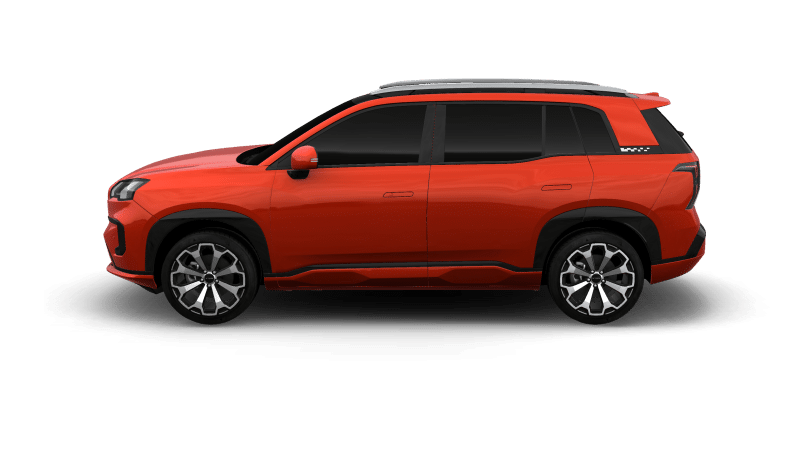
Think about how you use a car day-to-day—commute length, school runs, weekend gear, and whether you’ll charge at home or rely on public chargers. Visit the manufacturer’s specs page early so you’re comparing real numbers, for example the model details on the aion car official website, and keep a quick note of claimed range, charging speed, and warranty. If you live near Sydney, local charging patterns and traffic make a big difference to real-world range, so factor that into any headline figure you see.
Ask the practical questions (and write down the answers)
Don’t guess—get answers. Use this checklist when researching or talking with dealers:- What’s the real-world driving range for your typical trip profile?- How long does it take to charge from the chargers you’ll actually use?- What warranty items are covered, and for how long?- How easy/cheap is servicing locally?- How much usable cargo and interior space do you need?- Which trim includes the driver assists and infotainment features you’ll actually use?Write the answers next to each model you consider. Comparing specs in your head leads to mistakes; a short table stops guesswork.

Test-drive and ownership checklist
When you book a test-drive, test scenarios that match your life. Try these quick tests:- Start in cold/traffic-ish conditions to judge heating and cabin noise.- Accelerate and merge the way you normally do, not just at a dealer sprint.- Load the boot and fold seats if you haul gear—measure if you must.- Use the infotainment and phone pairing while driving briefly; note usability.- Check charger inlet position and ease of access at curbside.- Try regenerative braking settings and note one-pedal feel.Common mistakes are trusting advertised range blindly and ignoring real ergonomics—if the seat or stalk placement feels off, you’ll notice every day.
Compare without getting overwhelmed
Keep comparisons tight. Pick three rivalling options maximum. For each, score these five areas: running cost (electricity + servicing), practical range, comfort, tech usability, and resale expectations. A simple scoring row (1–5) helps you see trade-offs fast. Don’t chase perfect specs—choose what fits your daily routine. If you’re assessing long trips, prioritize fast-charging capability and motorway comfort; for city use, prioritize compact size and cabin tech.
Where to trust information and what to question
Trust official specs for baseline measurements, independent range tests for realistic expectations, and owner forums for recurring reliability flags. Ask for recent service invoices if buying used. I’ve compared spec sheets, driven multiple EVs in mixed conditions, and spoken with fleet managers about real maintenance costs—those patterns consistently matter more than glossy brochures. Be wary of single-review videos that only cover a short route or use promotional driving modes.
Common pitfalls and how to avoid them
Heads-up on mistakes people make:- Relying only on WLTP or manufacturer numbers—use independent range tests as a sanity check.- Ignoring local charging infrastructure—map chargers you’ll use and note connector types.- Overloading second-hand buyers with badges and tech you don’t need—prioritize battery health and service history.- Skipping a slow, loaded test drive—real comfort shows up on day two.Avoid these by preparing the checklist above and sticking to routines you actually follow.
Shortlist and make the call
When your shortlist feels solid, sleep on it. Double-check running cost estimates for a year, include insurance quotes, and compare trade-in or resale trends if you plan to move on in a few years. If everything adds up to a better, simpler daily life, that’s the right call. And if you want a compact reference while you decide, the manufacturer pages and a clear test-drive plan will keep you honest—there’s value in straight specs and everyday checks, so your decision fits how you drive, not just how a car looks.
Final thought
Pick the car that matches your routine, not the one that impresses a parking lot. Practical checks, shortlists of three, and a real test drive beat hype every time; when those align, the details on aion car simply slot into what you already know will work for you.