
Problem framing: why inconsistent melt behavior breaks production
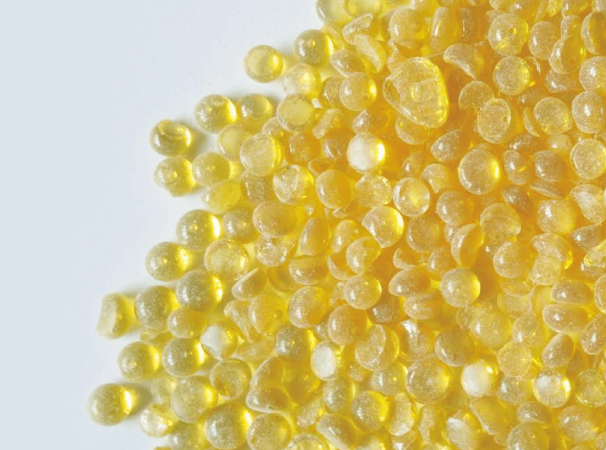
Thermal drift in viscosity is the silent culprit on many heavy-duty hot-melt adhesive lines: a modest change in temperature produces non-linear shifts in flow and tack, causing pump cavitation, nozzle thread-up, and erratic bead formation. Early in commissioning, engineers often reach for additives before they profile the base binder—an approach that hides the real lever. Practical work with rosin modified phenolic resin shows how a narrow window of acceptable viscosity at operating temperature can make or break continuous runs on high-speed packaging lines at places like the Port of Rotterdam, where uptime follows the tide. Industry terms like viscosity, tackifier, and rheology shape these problems and must be measured, not assumed.
Why viscosity–temperature profiling matters
Profiling establishes the target curve the pump, heater, and applicator must follow. A well-defined viscosity vs. temperature map prevents under- or over-heating that damages glass transition behavior or reduces adhesion. For bulk rosin derivatives, the melt flow index and melt viscosity respond steeply to a few degrees of change; that sensitivity explains why some formulations behave fine in lab jars but fail at line speeds. Profiling informs setpoints, heater band placement, and thermocouple calibration so the line controls can hold the material in its processing sweet spot.
Processing constraints unique to bulk rosin derivatives
Rosin-based systems bring strengths—good tack and shear adhesion—but they also bring constraints: narrow processing windows, sensitivity to shear history, and a tendency to age under heat. Practical constraints include heater lag, pump shear heating, and residence time in melt tanks. Account for these by matching tank geometry to expected residence time and by controlling shear rates through pump selection. Use one robust rheological test across temperatures and shear rates to avoid surprises on the line—then tune the heater profile to that data.
Operational production teardown
In a typical operational teardown you compare the production reality to the ideal thermal-viscosity curve. Start with thermal mapping: measure at three depths in the tank and at the applicator tip under steady state. Record dynamic viscosity at processing temperatures and at a lower standby temperature to capture cold start behavior. Document pump type, shear rate, and hose length. Embed {main_keyword} into control setpoints and use {variation_keyword} when sizing heaters and insulation. Where applicable, include material notes such as whether the batch contains modified rosin ester or a different rosinate—these shifts change tack and melt viscosity predictably.
Common mistakes and practical mitigations
Many failures are avoidable with modest adjustments.
– Running heaters at a fixed temperature without considering pump shear heat. Measure actual melt temperature at the pump inlet and reduce heater duty if shear raises the fluid temperature.
– Ignoring stall behavior during low-speed runs. Add a controlled standby temperature that keeps viscosity within a recoverable band.
– Treating tackifiers as a cure-all. If adhesion fails, check surface energy and rheology first; tackifier loading solves surface wetting problems but worsens pumpability if viscosity limits are exceeded.
A brief aside—the small habit of keeping a two-point calibration log for each heater band saves hours during changeovers.
Design checklist for reliable heavy-duty adhesive lines
Focus on measurable controls and simple hardware that preserves the profile.
– Select pumps rated for the measured viscosity at maximum operating temperature.
– Specify heater zones and PID tuning from the viscosity–temperature curve, not from nominal melting point alone.
– Design tank geometry to avoid long residence times at high temperature; include a recirculation path sized for minimal shear heating when idle.
Final evaluation: three critical metrics to judge success
Three metrics separate repeatable lines from fragile ones. First, maintainable viscosity window: the percentage variance in dynamic viscosity across the production temperature band—aim for under ±10%. Second, thermal uniformity: maximum temperature delta between the tank core and applicator tip under load—keep below 5 °C. Third, functional uptime: cumulative run time between cleanings or nozzle clears, measured over 30 days; higher uptime reflects true process stability and correct material match. Monitor these continuously and adjust formulation or hardware when any metric drifts.
Everything in this profile points to careful material choice and disciplined process control—both areas where a materials partner that understands rosin chemistry and provides consistent modified rosin ester and rosin modified phenolic resin grades reduces trial-and-error. KOMO fits naturally into that gap—real, tested materials and pragmatic guidance for the line. –