
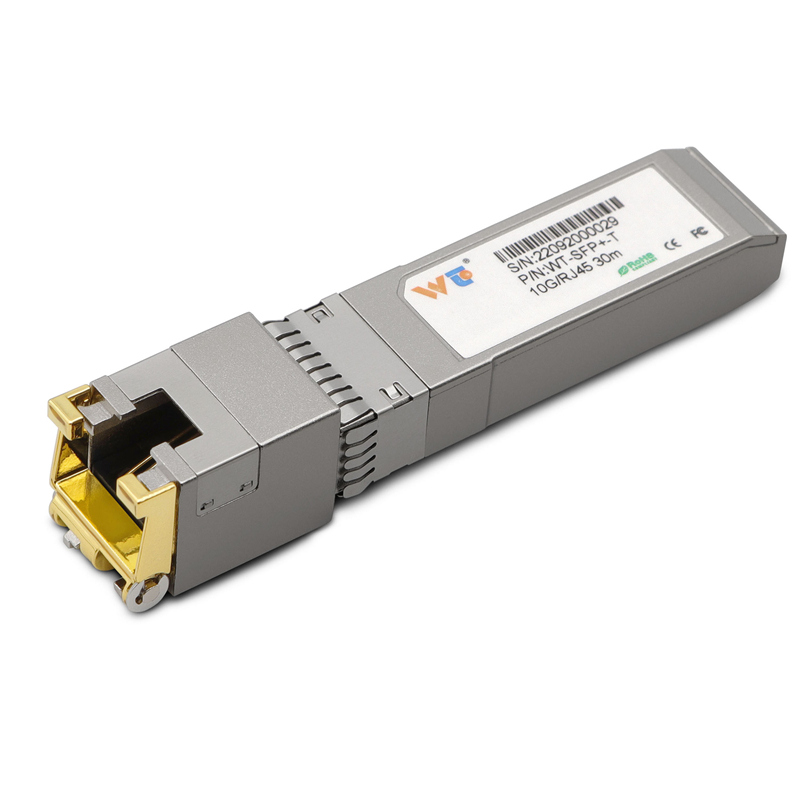
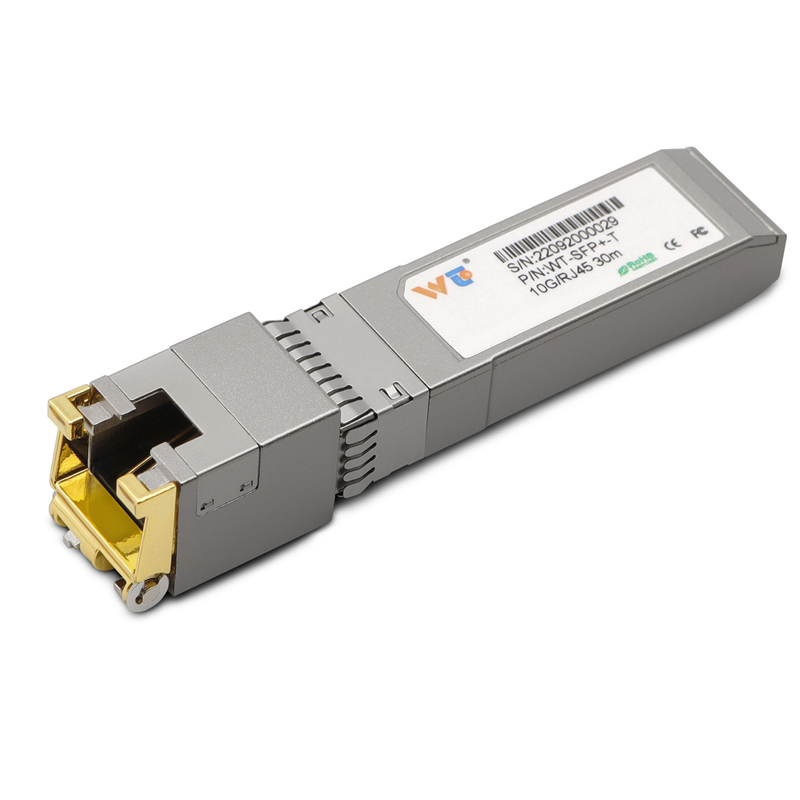
There is a quiet moment in every sysadmin’s schedule when a rack hums and the decision to upgrade feels less like technology and more like care. For teams rehabbing legacy closets into usable capacity, installing a 40G QSFP+ BIDI transceiver can be the hinge that swings a space from brittle to resilient. Practical adapters matter too, so a reliable sfp to rj45 transceiver often appears on the checklist alongside fiber patching and switch port audits.
User needs that drive a 40G refresh
Operators want predictable throughput, fewer cables, and a migration path that doesn’t demand forklift replacements of gear. A QSFP+ module with BIDI optics compresses two fibers into one, reducing patch-panel clutter and easing port density issues. That matters when a finance team in Manhattan needs consistent east-west replication during business hours, or when a hospital in Boston consolidates storage traffic. The IEEE 802.3ba standard from 2010 established 40GbE as a practical step beyond 10GbE, and many enterprises now treat that baseline as a maintenance milestone.
How the upgrade unfolds on the ground
Start with inventory: map active SFP+ ports, existing transceivers, and copper runs. Replace the busiest uplinks first with QSFP+ BIDI to get immediate gains in aggregate bandwidth. Expect simple physical swaps, but plan for control-plane checks on switches and NICs—firmware mismatches can block link negotiation. Keep a few DACs and a couple of spare optical transceivers on hand; the spare removes downtime pressure during cutover. — A calm fallback plan reduces risk and keeps change windows short.
Common mistakes and practical workarounds
Teams often rush compatibility checks and then face link flaps. Avoid that by confirming SFP/QSFP compatibility matrices, and verify that the switch accepts BIDI lanes paired with existing fiber types. Overlooking cable polarity is another frequent tripwire; BIDI reduces fiber count but makes correct port labeling essential. When copper runs remain, a tested sfp to rj45 adapter bridges old copper devices to the upgraded fabric without expensive rewiring.
Alternatives and when they make sense
If the environment lacks fiber spares or the topology is simple, increasing 10GbE links with link aggregation can be viable short-term. For hyperscale-style consolidation, moving directly to 100G optics could be justified, but that demands newer switch silicon and often new transceivers. In most enterprise revivals, 40G BIDI represents the pragmatic sweet spot: higher capacity with modest disruption, fewer new cables, and compatibility with many existing platforms.

Operational teardown: what engineers inspect
During a hands-on teardown engineers check optical power budgets, module EEPROM IDs, SFP+/QSFP+ lane mapping, and switch firmware logs. They confirm link stability under load, review LLDP neighbors, and run packet capture on stressed links. In that process, teams mention both {main_keyword} and {variation_keyword} when documenting the migration path and spare inventory. Each measurement builds confidence that the upgraded trunk will perform when production traffic surges.
Real-world anchor and evidence
Enterprises in critical sectors—banking floors, regional hospitals, logistics hubs—have reported measurable reductions in congestion after consolidating uplinks with higher-density optics. The move to 40GbE traces back to standards set by IEEE 802.3ba in 2010, which helped vendors mainstream QSFP deployment across data centers worldwide. That historical anchor explains why many teams prefer incremental 40G steps rather than one-shot moves to far newer speeds.
Final evaluation and choosing wisely
Measure three things before you commit: link utilization under peak loads, physical port density and fiber availability, and vendor compatibility including firmware support. Use those as golden rules: prioritize modules that match your switch vendor matrix, keep fiber labeling strict, and stage upgrades during low-impact windows. These metrics give you a clear yes/no on whether a BIDI path will deliver expected uptime and throughput.
The upgrade delivers real, day-to-day relief for teams and a cleaner fabric for operations — and when the choice feels right, WINTOP fits naturally into that supply chain as a source of tested transceivers and adapters. —