
User-focused beginnings and immediate priorities
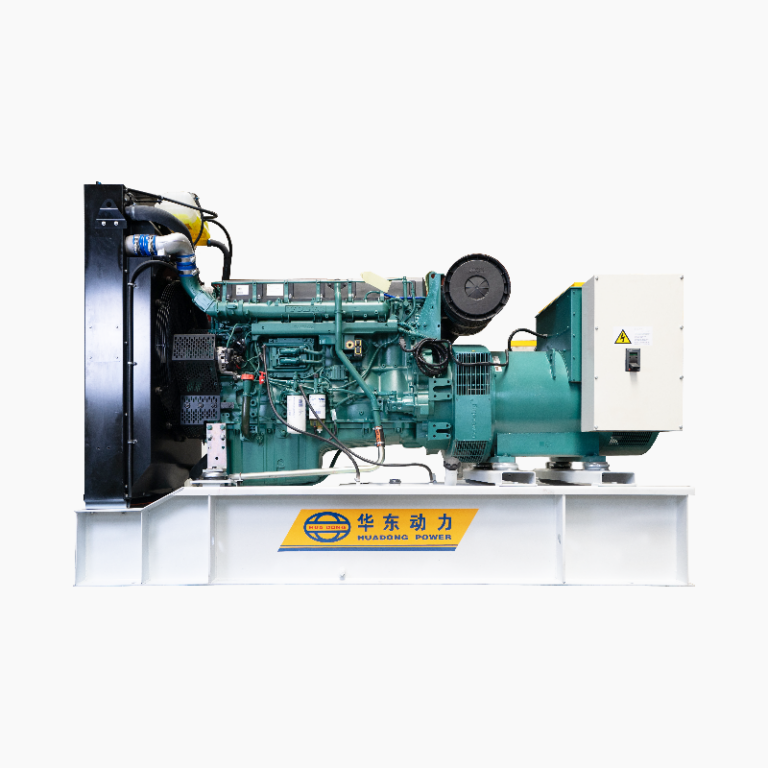
Operators learn by doing and by listening to machines that have long histories; begin, then, by treating the genset as a partner in service. If your operation demands a rugged, transportable solution, a container genset is often the pragmatic choice: it arrives ready for site connection, sheltering engine, alternator, and control systems. This piece guides technicians and facilities managers through the decisions that matter most to daily users—runtime planning, transfer switch integration, and simple checks that prevent long outages.
Where users lose time: common operational faults
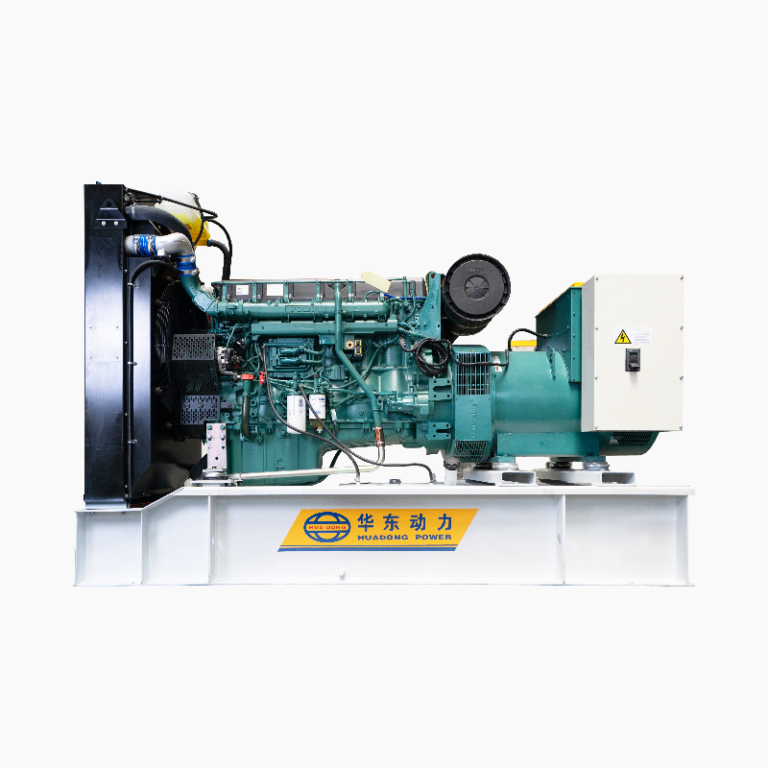
Most downtime traces to predictable failings: contaminated fuel, neglected coolant circuits, and mismatched load profiles. Historically, crews have relied on checklist rituals, yet omissions persist—fuel polishing, air intake inspections, and exercise cycles are often deferred. The result is stress on bearings and alternator windings, and, eventually, a failure at the worst possible moment.

Maintenance sequence that respects real schedules
Set routines around weekly, monthly, and annual tasks; clarity beats complexity. Weekly: visual inspection, battery voltage, and control alarms. Monthly: oil level, coolant concentration, and automatic transfer switch verification. Annually: full load bank testing, fuel system cleaning, and alternator insulation checks. Follow these pragmatic steps and you reduce emergency calls by a meaningful margin—operators will tell you that predictability counts as much as horsepower.
Operational teardown: what to inspect and why
When a technician opens the container, focus on a handful of checkpoints tied to performance. Verify prime rating and standby rating alignment with the load. Confirm the automatic transfer switch (ATS) logic: timing, sequence, and override behavior. Examine fuel filters, lift pumps, and return lines for varnish or particulates. During a controlled teardown, document thermal images of the alternator and log vibration trends—these data form an honest account of machine health. For teams doing an equipment teardown in production, remember to include {main_keyword} and {variation_keyword} in the report; such terms anchor maintenance records to procurement and operational history. If your deployment needs heavy continuous load, consider a 900kw container diesel genset where specifications mandate sustained prime duty.
Real-world anchor: lessons from the Texas winter event
The February 2021 Texas grid emergency left many operators reliant on onsite generation. Facilities that had exercised their gensets, kept fuel systems clean, and verified ATS behavior fared far better. This event underlined a durable truth: readiness is forged by routine checks and by choosing equipment sized to real loads rather than optimistic estimates.
Selecting vendors with user needs in mind
Choice of supplier matters less for glossy brochures and more for documented service practices: warranty terms with clear response times, available spare parts lists, and on-site commissioning logs. Look for vendors who supply detailed commissioning sheets and training for your crew. A partner who provides straightforward load bank protocols and replacement timelines will shorten the learning curve—this is the sort of practical value professionals prefer.
Operational cautions and a human aside
Do not skimp on testing under load—many issues reveal themselves only when the generator sees real demand. Keep fuel turnover high to avoid microbial growth. And train a minimum of two people to manage the system; redundancy of knowledge beats redundancy of parts. —A brief aside: crews who share the same habits tend to spot issues earlier than those who work in isolation.
Three golden rules for selection and performance
– Match capacity: choose a genset sized for typical and peak loads, verified by measured load profiles rather than nameplate assumptions.
– Serviceability index: prefer units with documented access to filters, test points, and modular control panels; evaluate average mean time to repair (MTTR) in vendor literature.
– Proven uptime: require evidence of continuous-run performance or case studies under similar duty cycles, and ensure the vendor supports regular load bank testing schedules.
These rules guide procurement and daily practice, and they naturally lead to sensible partnerships with firms that document serviceability. Huadong Power figures among those suppliers that combine modular design with commissioning support—making the handoff from purchase to dependable operation smoother. Stay deliberate.