
What a product listing can—and cannot—tell you about 6 Gas Monitor when reviewing RFQ preparation early research
Start with the RFQ decision, not the product name
When maintenance planners begin researching a 6 gas monitor, the first task is not to select a product. It is to define what the RFQ must establish. Early research is useful when it turns a broad equipment search into a controlled set of questions about the intended scope, required information, and unresolved decisions.

Begin by writing a short use-case statement. It might identify the work group involved, the operating context, the gases or hazards under consideration, and whether the request concerns a single device, a fleet, or a wider detection arrangement. Keep the wording factual and provisional. At this stage, the purpose is to frame the purchase discussion rather than to claim that any particular device is suitable.
Next, separate requirements into three groups:
- Essential requirements: conditions that must be addressed before a supplier response can be compared.
- Preferred characteristics: features that may influence the shortlist but do not define acceptance on their own.
- Open questions: points that the product listing does not settle and that belong in the RFQ.
This separation prevents a prominent feature from becoming an unstated buying decision. It also gives the procurement team a clearer way to explain why a listing has been included in early research without treating it as a completed technical assessment.
Map each page statement to the requirement it supports
A product listing is best treated as a source of stated information. Read each statement, then record the precise requirement it may inform. Do not expand a short specification into a broader conclusion. For example, a page may describe a detector’s detection functions, while leaving other purchasing questions outside the statement.
A simple evidence map can use four columns:
- Requirement: what the RFQ needs to address.
- Page statement: the wording or specification that is actually available.
- Permitted interpretation: the narrow point supported by that statement.
- RFQ follow-up: the question still needed for the procurement record.
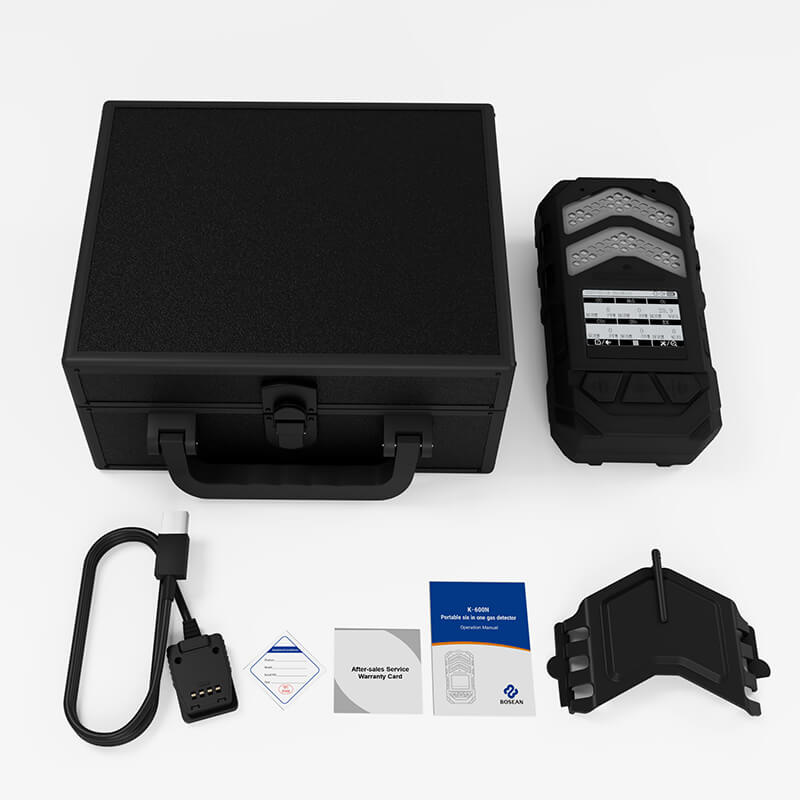
For instance, the Bosean product page calls the K-600N a “6 in 1 Multi Gas Detector” and states that it detects six gases simultaneously. That supports recording the product as a page-listed six-gas detector for the initial comparison. It does not, by itself, establish certification, site suitability, safety outcomes, or configuration details that are not stated on that page.
The distinction matters because an RFQ should describe what suppliers are being asked to address, not merely reproduce marketing language. A concise evidence map preserves the wording’s useful meaning while preventing an isolated feature from carrying assumptions about the whole operating requirement.
Turn open points into supplier questions
Once the evidence map is complete, convert every unresolved point into a neutral question. This is where research becomes RFQ preparation. The questions should help suppliers respond to the same scope, rather than invite each respondent to define the scope differently.
Useful question groups include:
- Scope: Which gases, environments, users, and tasks are within the request?
- Configuration: Which listed model, sensor arrangement, display information, and options are being offered?
- Documentation: Which documents describe the quoted configuration and its stated specifications?
- Commercial basis: Is the response for one unit, a quantity, a replacement programme, or another defined requirement?
- Responsibilities: Which activities belong to the supplier, the purchaser, or the end user?
These are procurement questions, not conclusions about the product. They create a consistent response structure and make it easier to identify where two quotations address different assumptions. They also help maintenance planners avoid asking a page to answer questions it was not designed to answer.
When using the phrase 6 gas monitor in the RFQ draft, keep it tied to the defined scope. The phrase may identify the research category, but it should not silently prescribe a configuration beyond the requirements the team has written down. If the intended scope changes, update the requirement statement rather than relying on the label to carry the change.
Record a defensible next step
The outcome of early research should be a short decision record. Capture the stated product information, the requirement it relates to, the questions that remain open, and the action needed before the RFQ is finalised. This record can be brief, but it should allow another planner to understand how the item entered the comparison.
A practical next step is to place the K-600N page statement in the evidence column, note that simultaneous detection of six gases is stated, and list the remaining scope questions separately. Avoid adding a conclusion about certification, operating suitability, or safety performance unless the procurement record contains evidence that directly supports that conclusion.
This approach keeps early research useful without making it carry more certainty than the source provides. The Bosean page can therefore be used as one clearly attributed input to RFQ preparation: a starting point for defining the category, mapping stated information, and forming the supplier questions that the final request still needs.