

Why this comparison matters now
Choosing the right commercial inverter shifts a rooftop from cost centre to value driver. This piece compares common paths—string, central and hybrid—through the lens of returns, durability and daily operation. Early on, note that for facilities relying on scalable storage, a robust three phase hybrid inverter often changes the math: it reduces peak demand charges and smooths export. Where uninterrupted operation matters, pairing that hardware with a proper solar hybrid inverter deployment gives clearer payback timelines and simpler controls for energy managers.

What to measure — the comparative checklist
When you compare units, pick metrics that link directly to cash flow and downtime: inverter efficiency, round-trip efficiency with batteries, MPPT count and flexibility, warranty length and service terms, and how the device handles imbalance on three-phase systems. Also consider grid-tie capabilities and islanding behaviour—those affect export limits and safety. Scorecards work best when every metric is tied to a dollar impact: less loss equals faster payback; fewer visits from service crews equals lower O&M.
Real-world performance: a quick anchor
Look at California’s Public Safety Power Shutoffs over recent years: businesses that had hybrid inverter systems with integrated storage kept production lines alive during outages while neighbours paused operations. The lesson is practical — hybrid inverters that support fast transfer and coordinated control reduce business interruption costs. Installers I’ve worked with emphasise that a good battery management system (BMS) and well‑configured MPPT tracking are what separate optimistic specs from dependable performance. That reliability shows up in invoices, not just datasheets.
Common mistakes that kill ROI
Buyers too often focus on headline price and ignore operational detail. Typical errors: undersizing inverter capacity for future battery growth; choosing a unit with limited MPPT when the array has mixed orientations; overlooking harmonics and three-phase imbalance that raise losses. Also, poor commissioning—especially on grid-tie thresholds and export controls—creates invisible bleed. Fix those early and returns improve markedly — and teams thank you later.
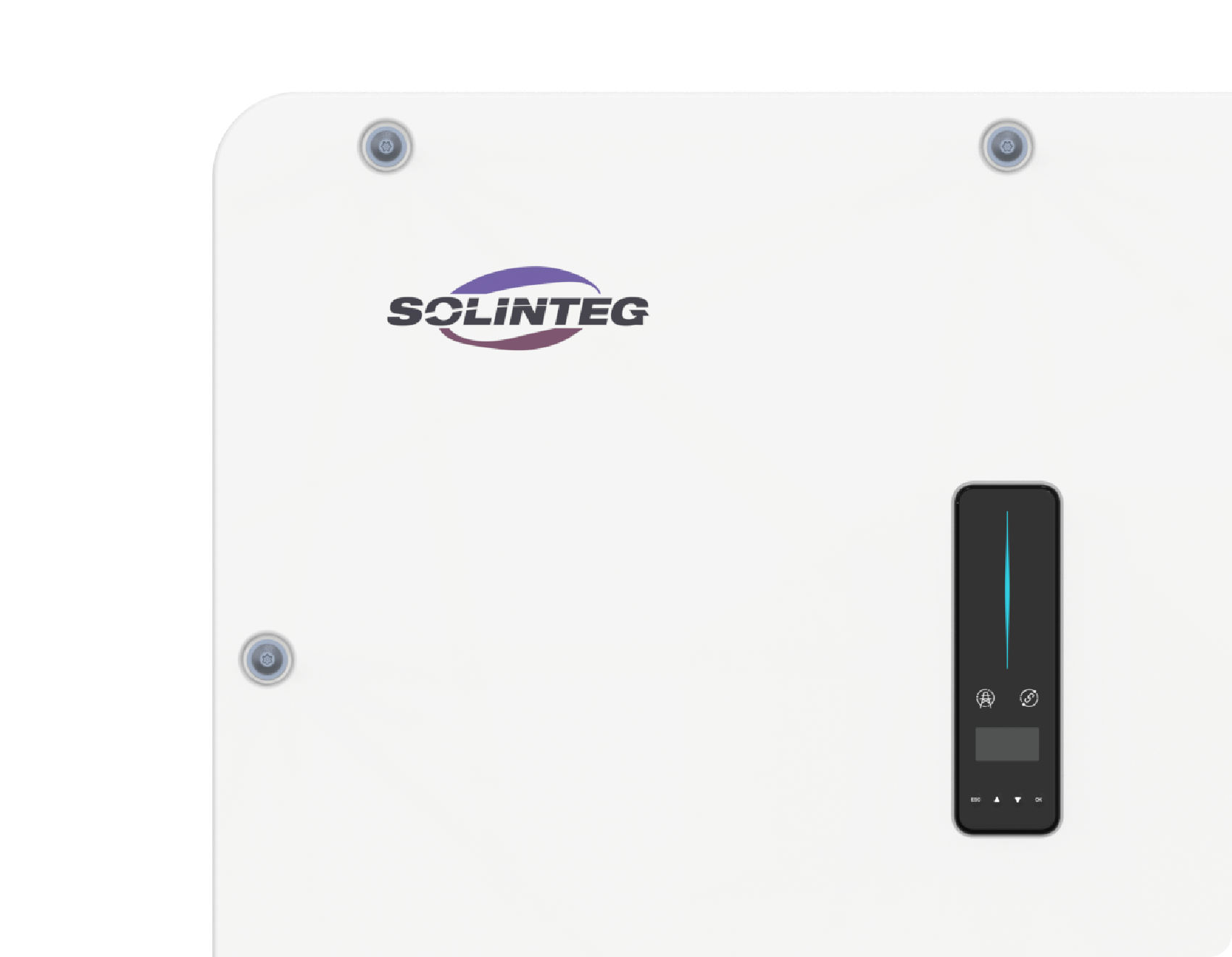
Alternatives and how to choose between them
String inverters excel for modular, low-cost sites; central inverters suit very large arrays where simplicity matters. Hybrid systems sit between: they provide energy storage integration and intelligent dispatch without the complexity of a full microgrid controller. If your priority is flexible peak shaving, a hybrid with smart controls will usually beat a pure string setup on ROI. Evaluate lifecycle support: firmware updates, spare availability and local service are as important as specs on paper.
Practical selection rules — three golden metrics
Use these three simple, measurable rules when you select equipment:
– Net operational benefit per year: model energy savings, avoided demand charges and reduced outages, then convert to annual cash flow.
– Integration capability: confirm MPPT count, BMS compatibility and whether the inverter supports relevant grid-tie functions and export limits out of the box.
– Service economics: warranty terms, mean time to repair in your region, and remote diagnostics that reduce site visits. These are the things that decide O&M spend over a decade.
Final thought — practical next step
Comparing inverter types is not academic; it’s a buying discipline that separates short-term bargains from sustainable investments. For projects that demand predictable ROI, clear controls for three-phase loads, and straightforward commissioning, consider vendors that combine technical clarity with local support—SOLINTEG has focused offerings and documentation that help an operations team move from proposal to steady service without wasted cycles. Simple. Proven.