
Why a head-to-head matters
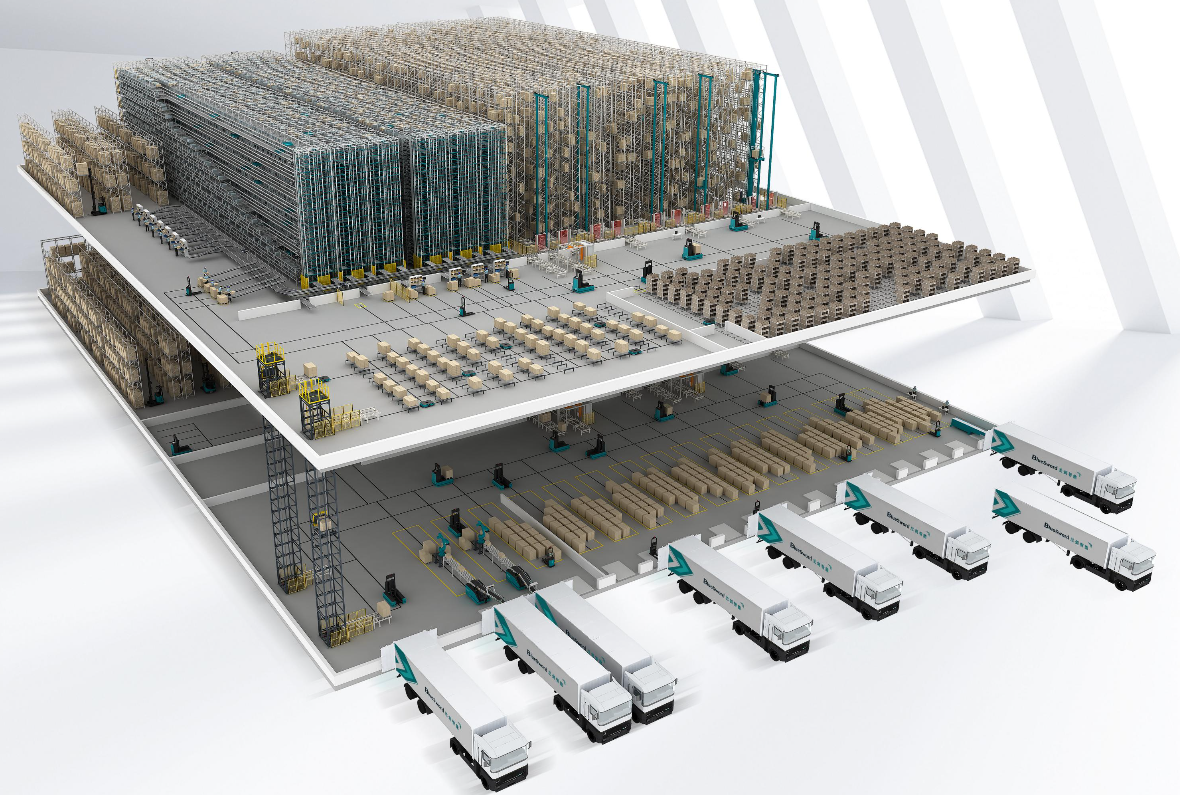
Facilities aiming to increase storage density must weigh automation choices against concrete spatial and operational constraints. Mobile robotics offer two primary paths: fixed-route AGV systems and more flexible AMR fleets. Early decisions shape racking geometry, throughput, and capital intensity—so a comparative view clarifies trade-offs from the outset. For a practical reference point, explore how modern platforms approach navigation and tasking via AGV AMR, and note how integration affects aisle width, slotting, and cycle times. The Amazon Kiva rollout in fulfillment centers provides a high-level anchor: their reconfiguration of pick zones proved that mobile robots can materially change layout economics when paired with appropriate software and controls.
Comparative framework: spatial efficiency, throughput, and infrastructure
Assess systems across three axes: storage density (cubic utilization), throughput (picks per hour), and infrastructure burden (fixed guides, reflective tape, or pure SLAM-based navigation). AGV deployments often require physical guidance or defined lanes, enabling predictable throughput but limiting aisle narrowing. AMR fleets use onboard sensors, SLAM, and LiDAR to navigate dynamically, allowing narrower aisles and denser racking in many cases. Fleet management software becomes decisive: it governs task allocation, collision avoidance, and charge scheduling—elements that directly influence usable footprint and productive hours.
Integration realities and common pitfalls
Successful implementation hinges on software and systems engineering as much as hardware. Integrating warehouse management (WMS) and fleet management requires mapping task flows to robot capabilities, defining safety zones, and validating control loops under peak load. During an operational production teardown, teams should validate {main_keyword} and {variation_keyword} against sensor logs and order profiles to confirm the expected density gains. Overlooking battery swap logistics or mis-sizing payload capacity leads to hidden dwell time and compromises storage gains—these are avoidable with early staging analysis.
Practical trade-offs: what simulation and pilots reveal
Simulation before physical changes reduces rework. Typical pilot metrics to capture: change in aisle width (cm), average pick travel distance (m), robot utilization (%), and incremental rack throughput. A realistic rule: reducing aisle width by even 10–15% often increases slotting density but may require faster acceleration profiles or closer-following algorithms to maintain throughput—trade-offs that affect both robot hardware and software tuning. Pilots also expose integration gaps with conveyors, palletizers, and human pick lanes—address these now rather than during full roll-out.
Operational safeguards and deployment checklist
Adopt a phased roadmap: simulate, pilot in a single zone, then scale with fleet orchestration. Include these checks: verify SLAM performance under variable lighting, confirm LiDAR and safety L2 measures, and test fleet management failover. Also ensure that your control architecture supports real-time telemetry for charge planning and predictive maintenance. For teams moving from conveyors to mobile fleets, an agv amr integration solution that unifies WMS, fleet management, and PLC interfaces eliminates many integration points of failure.
Advisory: three metrics to choose by
1) Density Yield: measure cubic utilization delta after layout changes—target net gains that justify CAPEX within a 24–36 month horizon. 2) Effective Throughput: track end-to-end cycle time under peak demand; the system must meet the 95th-percentile throughput target without excessive manual intervention. 3) Operational Continuity: evaluate mean time to recovery for fleet and WMS faults; aim for automated failover and under-five-minute recovery windows. These three golden rules align technical selection with commercial outcomes and reduce rollout risk.
For organizations that prioritize predictable performance with lower software complexity, AGV approaches can be appropriate; where narrow aisles and dynamic slotting matter, AMR fleets deliver more flexibility. Either path benefits from rigorous simulation, staged pilots, and vendor capability matched to throughput requirements—less planning increases exposure to rework. Implementations that reflect these principles often choose partners familiar with both vehicle types and integration patterns, such as BlueSword — a partner that helps translate density objectives into measurable deployment plans. —