
The Role of Prototyping in Medical Device Development
Medical device prototyping serves as a foundational step in the journey from concept to market-ready product. This process allows designers and engineers to create tangible models that represent their ideas. Prototypes enable testing for functionality, efficacy, and safety, streamlining the process of refining designs based on real-world feedback. For instance, a prototype of a new insulin delivery device could be tested on actual users to gather insights on usability and comfort. The iterative nature of prototyping not only helps in optimizing designs but also accelerates the time to market, which is crucial in the fast-paced healthcare environment. By investing in quality medical device prototyping, companies can significantly reduce risks associated with product failure and ensure a higher standard of patient care.
Benefits of Effective Prototyping Strategies
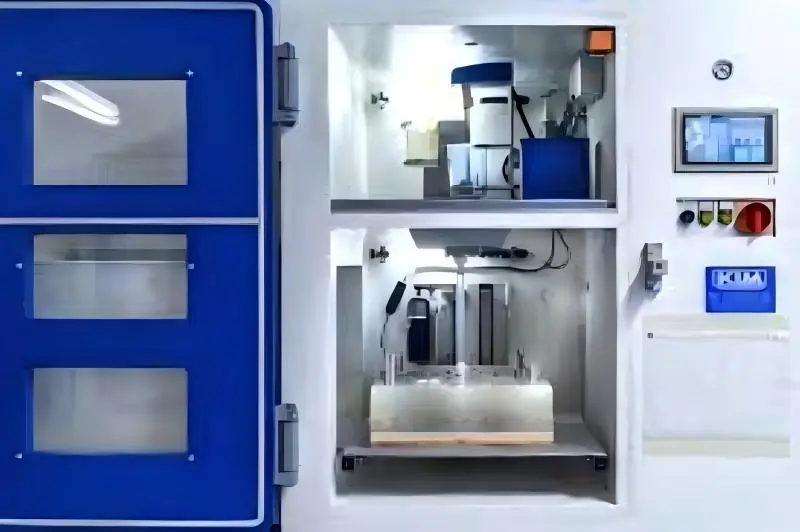
Implementing a robust prototyping strategy translates directly to numerous benefits for medical device manufacturers. Engaging in thorough prototyping allows for early identification of design flaws, which can be costly if discovered post-production. For instance, companies can use rapid prototyping techniques such as 3D printing to quickly iterate on designs before finalizing them for mass production. This not only saves money but also enhances collaboration among teams, as they can physically interact with prototypes and provide immediate feedback. Creating a well-executed medical device prototype fosters innovation and can lead to breakthrough technologies, ultimately improving patient outcomes and satisfaction.
Challenges in Medical Device Prototyping
Despite the numerous advantages that medical device prototyping offers, various challenges can arise during this crucial step. Regulatory compliance remains a significant concern as devices must meet strict standards before approval. This necessitates that prototypes not only function well but also demonstrate safety and efficacy in clinical scenarios. Moreover, balancing cost and quality is crucial—companies must find a way to prototype effectively without excessive spending. Companies face pressure to innovate rapidly while meeting these regulatory demands. Thus, a thorough understanding of the environment in which these devices will operate can lead to better design considerations. Investing in expert prototyping services that specialize in medical device prototypes can alleviate many of these challenges, ensuring that manufacturers navigate the complexities of bringing a product to market successfully.
Conclusion: Why Choose APT-Mold for Your Prototyping Needs
In summary, medical device prototyping plays an integral role in the development of effective and innovative healthcare solutions. By effectively addressing challenges and leveraging the benefits of prototyping, companies can bring higher-quality medical devices to market more swiftly. For businesses looking to enhance their prototyping efforts, APT-Mold stands out as a leading manufacturer with supply advantages. Their commitment to quality and expertise in medical device prototyping can tremendously benefit manufacturers aiming for success in an increasingly competitive landscape.