
Why Comparisons Matter on Real Roads
Reality beats the brochure, every time. On a v4 bike, tiny setup flaws grow loud in stop‑go traffic and on windy N1 stretches. Picture an early-morning ride: cold tar, side gusts, a quick lane change, then a hard stop as taxis bunch up — eish, you feel every gap in balance and brake feel. In our local rider group, 3 out of 5 commuters tweak suspension within the first two months, and fuel costs jumped again this year. That’s not trivia; it shapes daily comfort and safety. The question is simple: do you choose by kilowatts on paper, or by how the chassis, torque curve, and thermal management hold up from Main Road to long-haul Karoo?

Data shows average urban trips hover under 40 minutes, yet most breakdowns happen after heat soak sets in. So, cooling path, midrange grunt, and brake modulation matter more than bragging rights. Ja, spec sheets still help; they just don’t tell you how the bike behaves when the wind pumps or when you hit a pothole mid-corner. And — funny how that works, right? — small ergonomic misses become big pains on day five. Let’s use clear comparisons to cut through the noise and move to what old-school advice gets wrong.
The Hidden Cost of Old-School Choices
Are We Solving Yesterday’s Problems?
When riders first sample a v4 cruiser, they often chase peak power and forget the ride lives in the 3,000–6,000 rpm band. Look, it’s simpler than you think: a flat, usable torque curve, sane gear ratios, and steady ECU mapping beat big top-end numbers in town. Traditional buying tips push “more cylinders, more power,” but ignore heat soak at lights and the way a heavy front end fights urban turns. Old-school setups also skimp on brake feel. Two-finger control and predictable bite matter more than spec-sheet caliper counts. Add in thermal management — airflow around the headers and radiator efficiency — and you start seeing why some cruisers fade when the tar gets hot. That’s where midrange tractability and cooling strategy pay rent every day.
Another flaw: we’re told to upgrade pipes first, then worry about fueling later. That’s backward on modern bikes. Ride-by-wire and the ECU need coherent inputs, not guesswork. Messy add-ons can confuse the CAN bus, stress the rectifier-regulator, and spike temps under the seat. Old advice also ignores vibration damping and final drive harmony, which affects throttle transitions and fatigue. The result is a bike that looks mean but rides rough. Small misses in shock rebound, or mismatched spring rates, snowball into chatter on patchy tar. You feel it in your wrists, bru. A smarter baseline is to check cooling path, midrange tuning, and brake modulation first — and only then chase soundtrack.
Next-Gen Principles and Real-World Payoff
What’s Next
Modern design shifts the focus from peak output to stable systems. The latest ECUs use sensor fusion from an IMU, throttle position, and wheel-speed data to keep fueling clean in the messy middle — corners, crosswinds, quick stops. With well-sorted v4 bikes, the trick is predictable response under load, not just raw numbers. Think smarter radiator ducting, better fin density, and heat shields that protect the rider at idle. Add precise injector timing and slip‑assist clutches, and you get cooler running, smoother shifts, and less hand fatigue. It’s not magic; it’s system thinking. Midrange torque plus resilient cooling equals fewer surprises on the R27 and more confidence on weekends.
The forward edge brings adaptive ECU strategies, improved stator output for accessories, and progressive brake pads tuned for feel. You also see geometry that stabilises at highway speeds yet turns neatly at mall exits — a neat balance. Compared with old-school setups, these updates keep temps stable after the third robot, hold the line on rippled tar, and keep charging headroom for heated grips and nav. Same rider, same route — better outcomes. The insight from earlier stands: usable torque, calm brakes, and heat control set the ceiling for comfort and safety. Now, let’s land this with clear, practical checks you can use (ja, today).
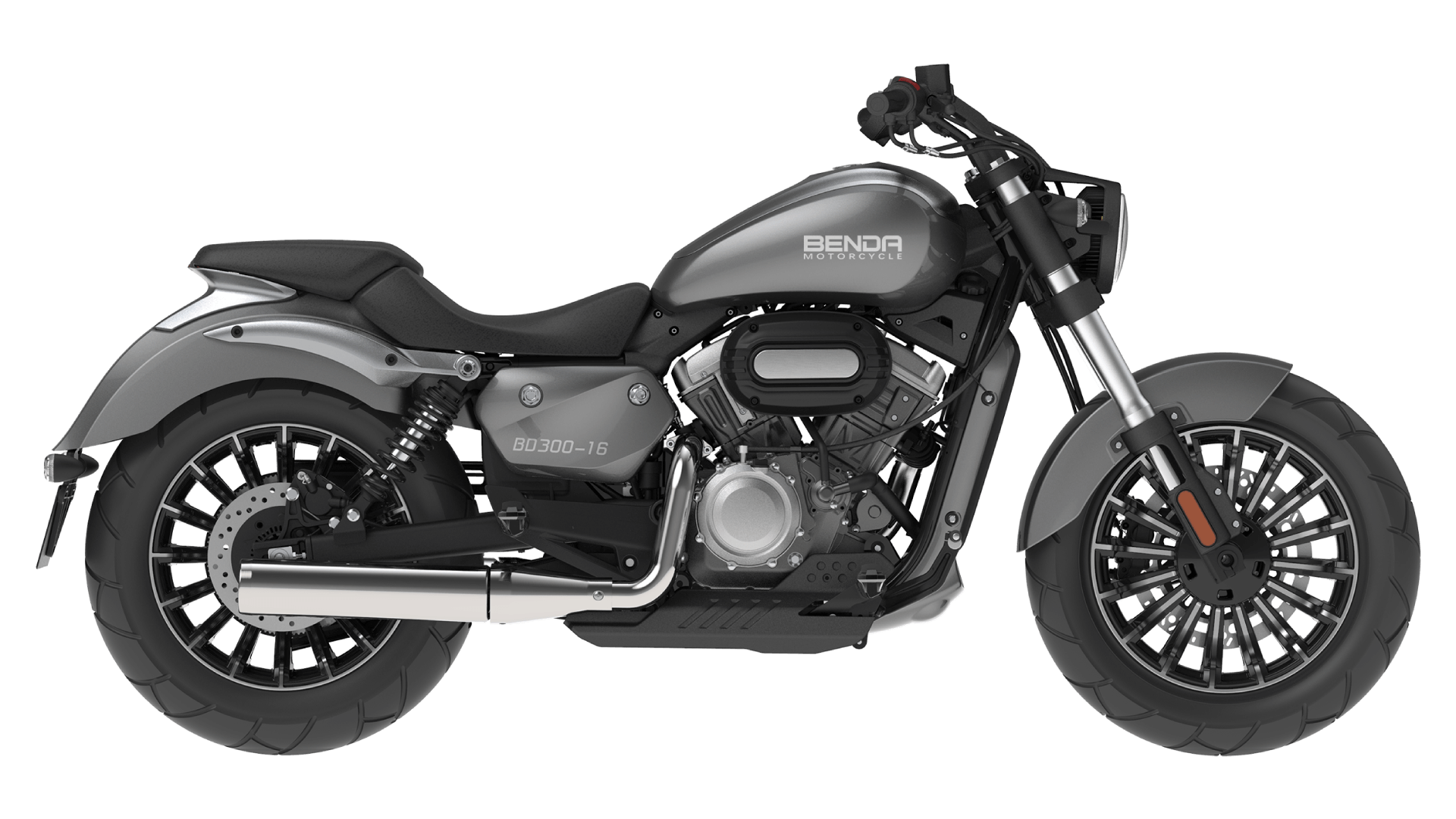
Advisory close — use these three metrics when you evaluate your next cruiser: 1) Midrange delivery: torque at 3–5k rpm and throttle smoothness through the first 20% twist; 2) Thermal stability: idle-to-cruise temperature consistency after 20 minutes, plus heat at the thighs and seat; 3) Electrical headroom: charging output at idle with lights and indicators on, and budget for extras like GPS or heated gear. If a bike scores well here, the rest tends to fall in line — funny how that works, right? For riders who want a balanced lens without hype, keep watching how brands refine these basics, including updates from BENDA.