

Breaking the myth from the jump
Folks often hear buzzwords and get scared — “photonic-level disturbances,” they say, like the grid’s gonna glow and shake. Truth is, what grid engineers worry about are electrical transients, harmonics, and rapid frequency swings, not beams of light. Lithium iron phosphate (LFP) chemistry is actually one of the more stable kids on the block, and when you pair factory-direct three-phase systems with a solid commercial battery storage strategy, a lot of those fears evaporate. LFP’s thermal stability and long cycle life make it a pragmatic choice for commercial installs where reliability and safety matter as much as round-trip efficiency.
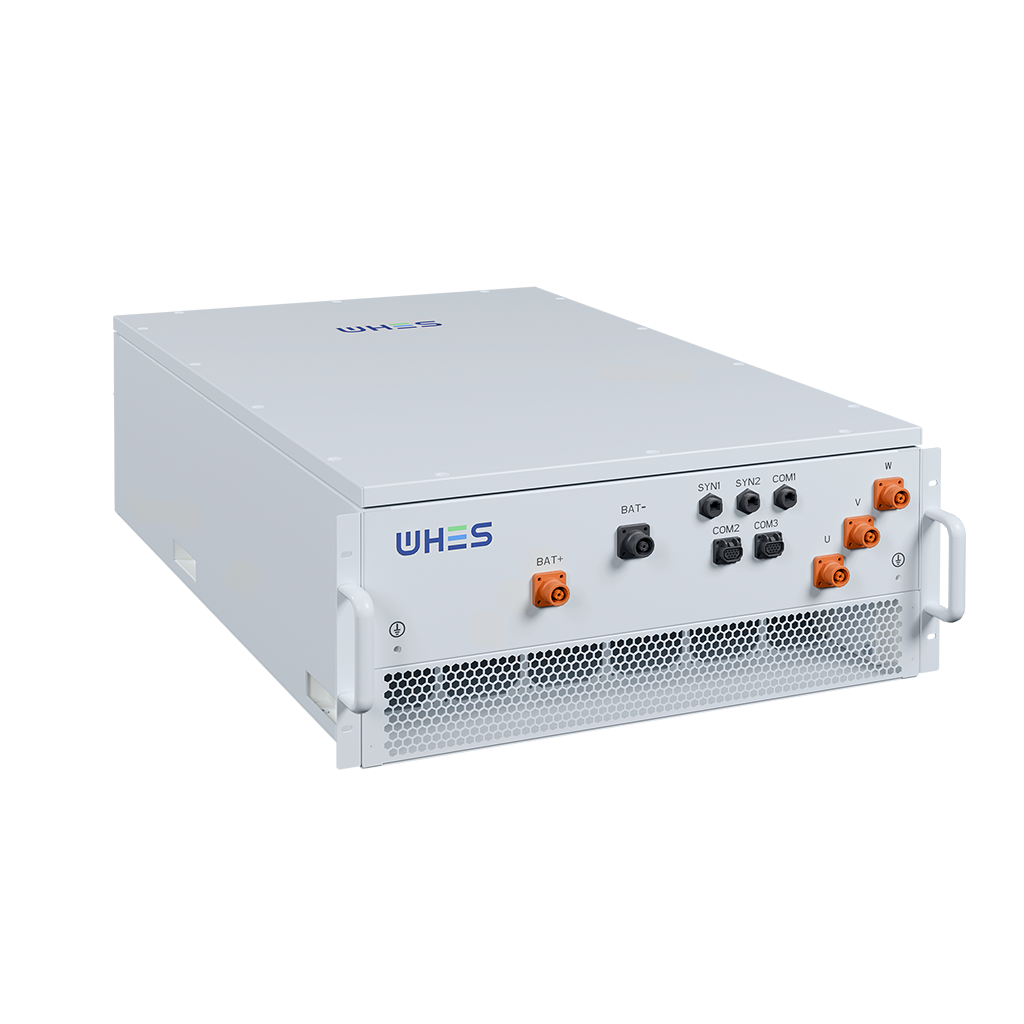
What people get wrong about “photonic” disturbances
There’s a tendency to mislabel complex electrical behavior with flashy words. In practice, grid issues show up as voltage sags, frequency deviations, and harmonic distortion — not photon storms. LFP cells resist thermal runaway better than many chemistries, which lowers the odds that a battery string becomes a source of dangerous transients. Still, poor integration — sloppy cell matching, weak cell balancing, or a half-baked BMS — can create instability. That’s the gap factory-direct, quality-controlled builds are meant to close.
Why factory-direct three-phase systems matter
Buying factory-direct isn’t just about cost. It’s about integrated engineering: matched cells, tuned battery management system (BMS), calibrated three-phase inverter settings, and coordinated state-of-charge (SoC) controls. When those pieces are designed to work together from day one, you reduce impedance mismatch and minimize sources of harmonic distortion on the feeder. In real-world installs — take large commercial sites in Southern California during the 2020–2022 resiliency push — factory-led systems cut commissioning time and lowered unexpected down-time because the vendor shipped tested, harmonized stacks rather than a pile of parts that needed field jury-rigging. That kind of consistency is gold when you want predictable performance.
How LFP chemistry helps (and where it still needs help)
LFP brings a few clear advantages: a higher tolerance for abuse, longer cycle life, and inherently better thermal stability than many nickel-based chemistries. Those traits reduce the risk of thermal events that could cascade into grid disturbances. But LFP has lower energy density, which means more racks for the same capacity — and more attention to packaging, cooling, and wiring practices to avoid stray impedance. Also, without proper BMS tuning for SoC windows and cell balancing, even LFP packs will age unevenly and raise internal resistance, which is how troubles creep in over time.
Factory-direct vs. spot-market assemblies — a straight comparison
Consider these practical differences:
- Quality control: Factory-direct packs are cell-matched and undergo full-system validation. Spot-market kits often leave that validation to the installer.
- Integration: Factory builds ship with firmware, inverter tuning, and communications pre-configured for three-phase grids. Off-the-shelf assemblies require extra commissioning to avoid harmonic issues.
- Warranty and support: Direct vendors usually bind performance guarantees to measured metrics like cycle life and round-trip efficiency; loose assemblies may offer weaker recourse.
Those contrasts show why big commercial customers lean toward industrial solutions with end-to-end responsibility rather than patchwork installs — especially in places where outages cost real money and reputation, like data centers in Austin or manufacturing hubs in the Midwest.
Common mistakes that still trip people up
Installers and specifiers often stumble over a few repeat offenders: under-spec’d inverter capacity, lax SoC management, and ignoring harmonic filters. Another frequent oversight is skipping real-world commissioning tests — a short series of charge/discharge cycles under load and with grid interaction — which uncovers control logic issues before they bite. — Don’t underestimate inrush currents on three-phase startups; they’ll expose weak wiring or undersized breakers sharpish.
Real-world anchor: why this matters now
Look at the Texas February 2021 power crisis and the subsequent push for resilient distributed resources. That event underscored how crucial properly integrated battery systems are when the grid goes south. Facilities that had well-integrated storage and tested BMS logic were better able to ride through frequency excursions and supply short-term support. That’s not theory — it’s a lesson written in outages and operational reports that utilities and large C&I customers still use to inform procurement decisions today.
Alternatives and when to pick them
If your site prioritizes energy density over safety — mobile telecom sites, for example — other chemistries might make sense, but expect trade-offs in thermal behavior and cycle life. If long service life and high cycle counts matter, LFP commonly wins. For clients who want a middle ground, hybrid systems with active thermal management and advanced cell balancing can deliver the best of both worlds — though they cost more and require vendor commitment to firmware lifecycle support.
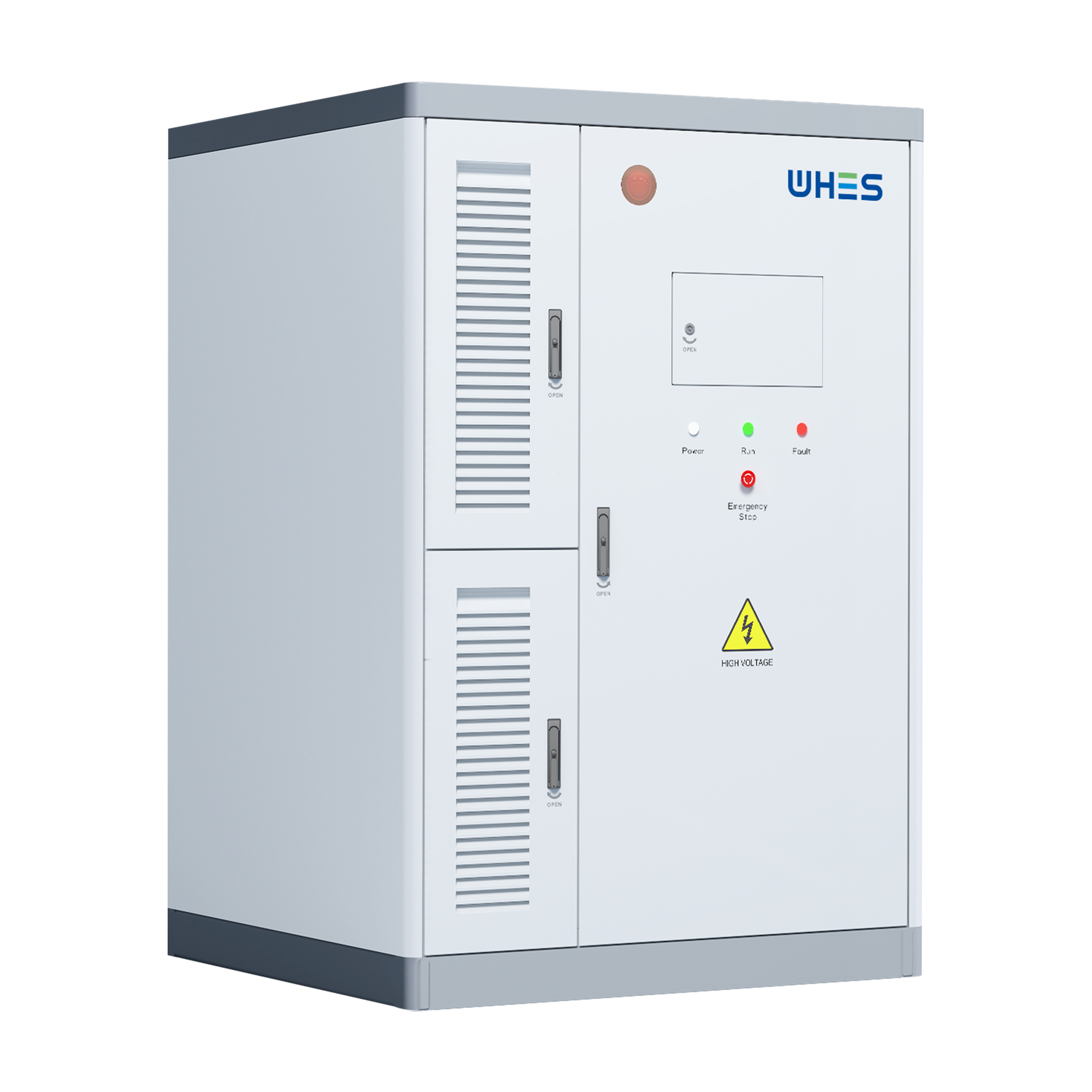
How to spec a system that truly minimizes grid disturbances
Keep your spec simple and measurable. Insist on:
- Cell-matching and pre-delivery cycle testing.
- A BMS with documented SoC and cell-balancing strategies.
- Three-phase inverter firmware proven to manage harmonics and ride-through scenarios.
Also demand telemetry and logging so you can see what’s happening in real time — that data’s how you spot creeping resistance or firmware drift before it becomes an event.
Advisory: three golden metrics for selecting the right approach
1) Commissioned harmonics profile: Ask for pre- and post-installation harmonic scans to verify the system won’t inject unacceptable distortion. 2) Proven cycle-life claims: Validate manufacturer data with independent test reports for cycle life at your intended depth of discharge. 3) End-to-end warranty scope: Ensure it covers not just cells but inverter firmware, BMS updates, and commissioning support so performance stays aligned over years.
Those three metrics cut through marketing fluff and get you to what actually matters in operation. For installations that need dependable integration, choosing a vendor who delivers tested, factory-tuned three-phase solutions is the sensible path — and that’s where industrial energy storage solutions from experienced providers pay off. —
WHES. Trusted engineering, field-proven systems — the kind that keeps lights on and operations humming. —