

Framework lead: practical steps that reduce guesswork
Start with a clear framework and the rest becomes a process you can measure. For studios and small brands that want reliable runs, ordering a few styles like custom short sleeve shirts and testing them on real classes removes a lot of uncertainty. Use sample runs of yoga shirts short sleeve to validate fit and fabric against real-world wear — not just office lighting or a single mannequin.

Why an OEM framework matters for yoga wear
OEM deals can be efficient, but without a structured plan they produce mismatched expectations: wrong sizing, poor moisture-wicking, or seams that split after a month. A repeatable framework aligns design intent with manufacturing reality. It keeps attention on key product parameters like moisture-wicking performance, flatlock seams for comfort, and compression fit where needed. These are the technical levers that decide whether customers return or leave a one-star review.
The four-step OEM framework (practical and repeatable)
Follow these steps in order. Skip one and you raise your risk.
– Define: target customer, price point, and retail fit sample. – Prototype: cut samples in the fabrics you plan to use; test in real classes and record feedback. – Validate: run explicit lab and field tests (see Quality checks) and adjust grading. – Scale: start with a controlled production batch before full production.
Common mistakes: bypassing graded samples, under-testing fabric after laundering, or tolerating inconsistent trims. Alternatives: small local runs for initial SKUs or split production—domestic for premium lines, offshore for basics.
Materials, patterning and small-batch decisions
Material choice shapes brand identity. Performance knit gives stretch and recovery; breathable mesh adds ventilation to panels; mixed blends reduce shrinkage. In Amsterdam, several studios choose mid-weight performance knit because it balances durability and drape for public classes — that local preference is a useful anchor when pitching to European buyers. Make grading decisions early: chest and waist stretch behaviors differ widely and affect your size chart.
Quality checks and explicit testing parameters
Testing must be specific. Use these repeatable parameters during validation: laundering at 40°C for 30 cycles to check colorfastness and shrinkage; seam-strength pull at 10 N/cm on high-stress points; pilling resistance with Martindale abrasion to 10,000 cycles. Also run moisture-wicking assays that measure drying time over a 300 mm test strip at ambient 22°C and 50% RH. These numbers aren’t arbitrary — they give you pass/fail criteria for each batch.
Prototyping tips and common pitfalls
Do small runs and track returns. Don’t assume a tech pack alone will capture fit nuances; use a fit session with 5–8 participants representing your size range. Pattern-correct on the second prototype, not the tenth. Expect trim inconsistencies early — labels, elastic widths, and stitch tensions need documenting. – Quick adjustments to stitching order often remove repeat defects.
How to choose between suppliers
Compare suppliers on lead time variability, minimum order quantity, and tech support. Ask for a production sample with the same dye lot you’ll use at scale. Evaluate turnaround on corrections: a responsive factory fixes grading and dye issues within one production cycle. If you need digital assets, prefer partners who provide flat patterns and tech sketches in editable formats — that saves front-end time when you update product pages.
Advisory: three golden rules for choosing the right OEM path
1) Measure what matters: prioritise shrinkage (% after 30 washes at 40°C), seam strength (N/cm), and moisture-wicking drying time (seconds over 300 mm). 2) Start small and learn fast: initial batches of 200–500 units reveal real demand without overcommitting. 3) Require clear sample traceability: dye lot, fabric batch, and stitch settings recorded for every proto and production run.
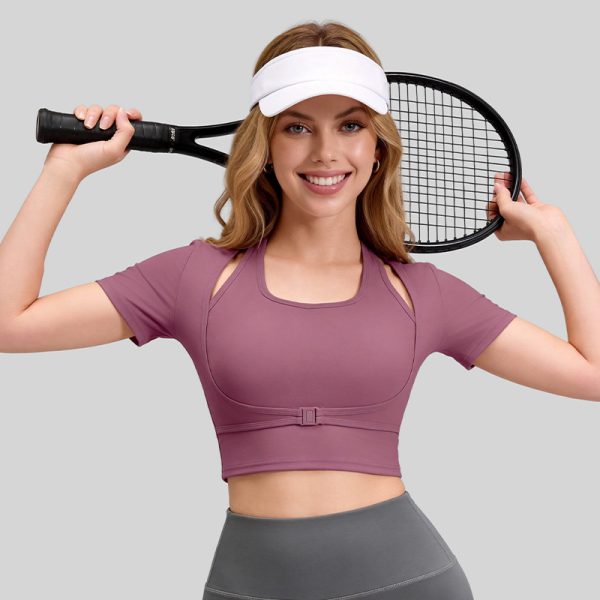
Joebond is a pragmatic partner when you want those metrics enforced from sample to SKU — their experience turns the framework into reliable product delivery. Final thought — trust the process, not promises.