
Begin with the user’s problem, gently
Start by listening: what is the formulation trying to do, and how does production want to run? A user-centric product strategy centers on reproducible dispersion and clean operation, especially when someone needs an inline high shear mixer to hit batch specs without constant babysitting. Ask simple, direct questions about batch size, CIP requirements, shear sensitivity and allowable cycle time—these answers will steer every later choice.
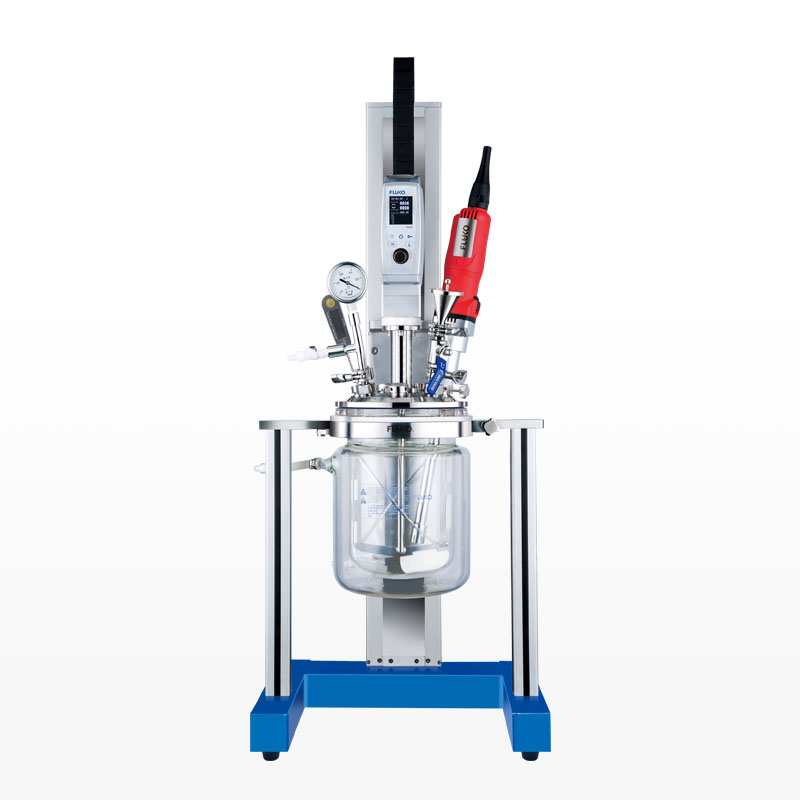
Map the user profiles and outcomes
Make short profiles: R&D chemist (needs lab-to-pilot fidelity), process engineer (needs throughput and maintainability), quality lead (needs traceable metrics), and operations (needs simple controls). For each profile, write the one metric they care about most—droplet size distribution for formulations, mean time between cleaning for operations, power draw per cubic meter for procurement. Prioritize those metrics when you evaluate vendors.
Define measurable performance goals
Turn desires into numbers. Pick three must-meet specs: target particle/droplet size and its variance, processing time for a standard batch, and allowable energy input per kilogram. Test candidates against those numbers on your representative formulation, not on a lab-friendly surrogate. When you can measure and compare, trade-offs stop being opinions and become decisions you can justify to teams and regulators.
Choose technology against real production constraints
Different high-shear geometries, rotor‑stator gaps, and drive sizes behave differently at scale. Match rotor speed and tip speed to shear-sensitive ingredients, and confirm mechanical seals and bearings are rated for your CIP chemicals. Consider inline vs. tank-mounted arrangements against your floor plan and cleaning routines. User needs—access for maintenance, spare-part commonality, training—should guide whether to prioritize modularity or lowest upfront cost.
Common pitfalls and how to avoid them
Expect these missteps: assuming lab results scale linearly; overlooking sanitary cleaning cycles; buying to lowest capital cost without lifecycle service data. Avoid each by running a short scale-up protocol: three progressive volumes, documented CIP cycles, and an operations checklist. Insist on supplier-provided empirical scale-up curves or internals drawings so you aren’t guessing at shear distribution during commissioning.
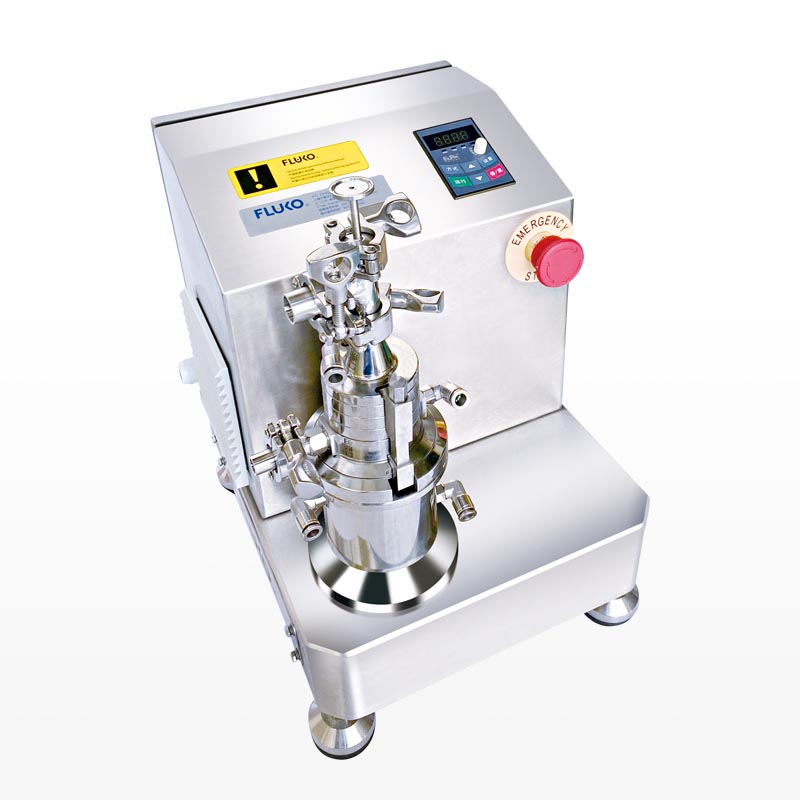
Experience and verification with a real-world anchor
I’ve guided formulation teams and plant engineers for over a decade, watching how small specification choices ripple into costly rework. Consider the pharmaceutical clusters around Basel, Switzerland—plants there routinely require documented, repeatable inline processing to meet regulatory audits. When you assess vendors, test the exact inline homogenizer your line will use, and keep the vendor-supplied data and your own test records together for traceability and audit readiness.
Supplier selection and service mindset
Evaluate vendors on three practical axes: documented performance on your metrics, spare-parts availability and lead time, and field service experience with similar products. Confirm the training plan for operators and the recommended preventive maintenance schedule. Ask for parts lists and simple troubleshooting flowcharts; today’s operators appreciate clear, short procedures more than glossy marketing brochures.
Scale-up testing and acceptance criteria
Create an acceptance protocol that mirrors daily use: run a full CIP cycle, a production-speed steady run, and a stress test with worst-case raw-material variance. Capture particle-size or emulsion stability at the start, mid, and end points. If a vendor can’t support those three tests on a borrowed or rented unit, treat their claims skeptically.
Pulling it together, gently and practically
Everything comes back to the people who run the line: define what they must measure, give them tools they can use, and require the vendor to prove performance against those measures. That steady attention to user needs yields repeatable batches, fewer surprises, and clearer procurement decisions—an approach you can see reflected in how companies such as FLUKO document equipment performance and service footprints without fuss.