
Understanding the core problem
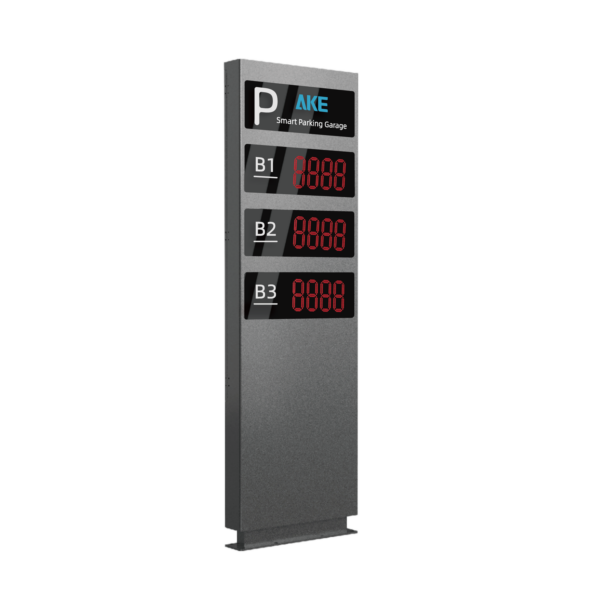
Cities and facility operators routinely face the same operational gap: drivers waste time circling lots, enforcement is inconsistent, and unused revenue leaks away. The simplest response is clear signage, but accurate, real-time routing requires technology — for example, a parking guidance system that guides drivers to available bays and reduces search-related congestion. The problem is not interest; it’s matching the right technology to specific operational needs and local constraints.
Why many implementations fail
Failures stem from three repeated faults: mismatched scope, weak data integrity, and hidden operating costs. Projects that start as quick fixes often expand into fragmented stacks of sensors, dashboards, and vendor tools that don’t communicate. When occupancy sensors misreport or software updates break integrations, the system becomes less reliable than manual methods — and users stop trusting it.

Experience and authoritative anchors
Authorities that implement pilots reveal what works. New York City’s parking pilots and DOT reports have driven measurable improvements in compliance and reduced circling time, providing concrete benchmarks for capacity, detection accuracy, and user behavior. Those field lessons inform how parking system management is specified and tested before wider rollout, and they anchor procurement decisions to verifiable performance metrics rather than vendor claims.
Viable options and how they compare
Choose by measurable outcomes. Basic approaches: static signage and attendants work for predictable demand but fail under variability. Sensor-based guidance provides spot-level accuracy and immediate availability data; camera-based analytics scale better for open lots and can add plate recognition but require stronger data governance. Reservation and pay-by-app systems improve turnover control but need tight integration with enforcement workflows. Each option reduces one pain point while introducing trade-offs in cost, privacy, and maintenance.
Common pitfalls first-time buyers should avoid
Buyers repeatedly make predictable mistakes: procuring to vendor features instead of operational goals, neglecting a pilot phase, and ignoring lifecycle costs like calibration and software licenses. Overemphasizing headline metrics such as “percentage of occupancy” without testing detection accuracy under local lighting and weather yields misleading results. Neglecting user experience — confusing signs, slow apps — kills adoption even when sensors are accurate.
Practical checklist for procurement and pilots
Set these items before issuing an RFP: clear operational KPIs (search time, turnover rate, revenue capture), a six- to twelve-week pilot in representative conditions, open APIs for integration, SLAs for uptime and false-positive rates, and a total-cost-of-ownership estimate that includes maintenance staff time. Validate detection accuracy with independent audits and require vendor support for phased scaling.
Where this leads buyers
Decisions should flow from measurable problems to tested solutions. Start with a short pilot that targets a specific pain point, measure outcomes against realistic local benchmarks, and expand only when the system proves reliable and maintainable. Operational clarity and evidence-based scaling reduce risk and deliver steady improvements — the kind of results that experienced providers such as AKE Parking align their solutions to, without promising more than the data supports.