
A clear comparative start
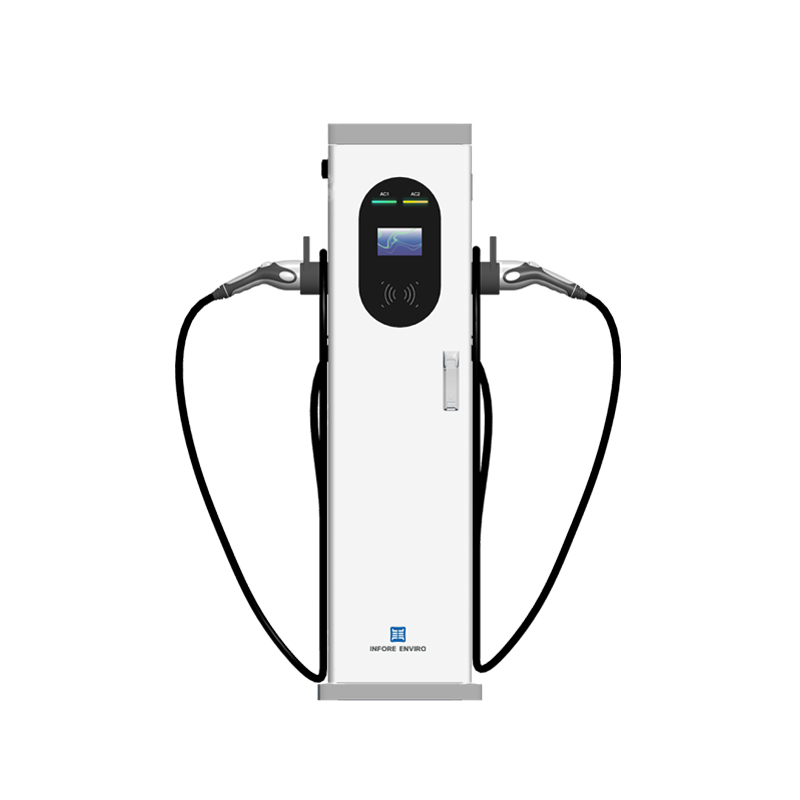
The transition to electric fleets demands choices that balance uptime, cost, and operational simplicity; this comparative insight lays out how to choose. Early on, prioritize the hardware that matches your duty cycle—an EV Level 2 charger often fits workplace and depot needs because it delivers steady 6–22 kW power without the grid strain of DC fast charging. Think in amps and kilowatts, and map those figures to shift schedules to avoid surprises.
Core comparison criteria
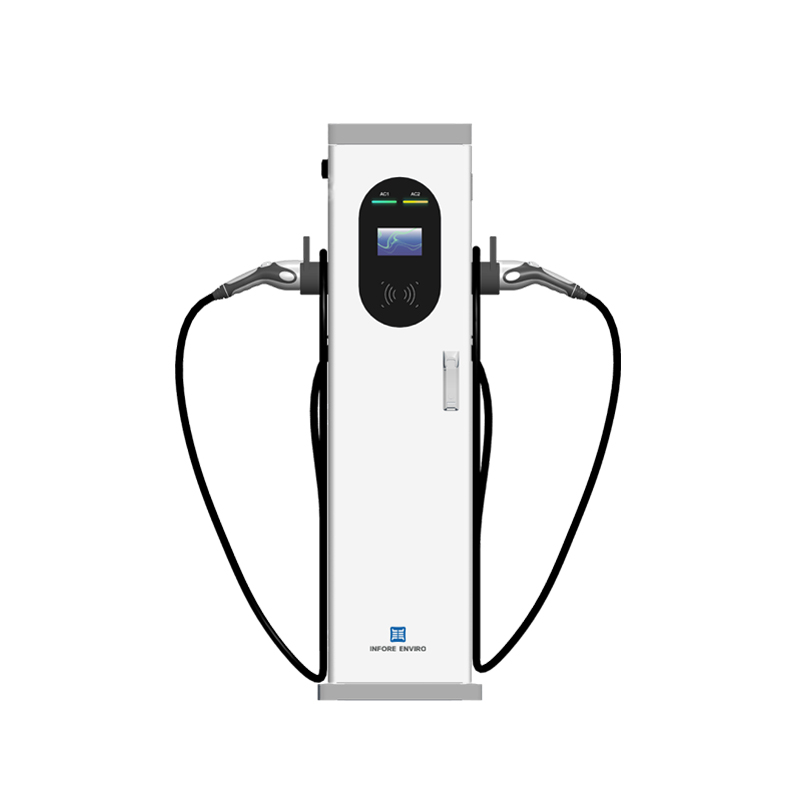
Compare three layers: physical hardware (EVSE and connectors), power management (load balancing, circuit capacity), and software (charge point management, billing). Hardware choices affect daily throughput. Software choices determine whether you can schedule charging to off-peak rates and manage multiple sockets from a single dashboard. Put measurable parameters next to each candidate so comparisons stay factual rather than aspirational.
Site and electrical considerations
Begin with an electrical audit. Metered supply, existing panel capacity, and distribution board layout determine whether single- or three-phase feeders are appropriate. For multi-point sites, load balancing and phased circuit distribution reduce the need for costly transformer upgrades. Remember that socket type and rated amps define charge speed; matching the vehicle onboard charger to the station’s kW rating avoids wasted investment.
Installation realities and recurring costs
Installation scope changes total cost quickly. Trenches, conduit runs, and trenchless crossing add labor and permitting time. Expect higher upfront costs for managed solutions that tie into building energy management, but lower ongoing expense through energy shifting. Include a line-item for preventative maintenance and firmware updates—neglecting those is a common mistake that reduces uptime.
Software, analytics, and operational control
Charge point management platforms turn chargers into operational assets. Prioritize platforms that provide granular session logs, remote firmware updates, and OCPP compatibility for vendor flexibility. Analytics should include session energy (kWh), peak demand per site, and usage per vehicle. This data is the foundation for future expansion decisions—use it to justify additional chargers or on-site storage.
Common mistakes and how to avoid them
Avoid oversizing for one-time peaks or undersizing to save upfront. Not planning for cable routing or emergency egress can force expensive rework. Ignoring compatibility with fleet telematics and fleet scheduling software creates friction later—integrate systems up front. A short aside—charge speeds matter more than headline kW when vehicles accept lower onboard rates.
Real-world anchor and practical proof
Municipal and corporate fleet pilots in the San Francisco Bay Area have repeatedly shown that staggered charging and simple load balancing reduce utility demand charges by a measurable percentage while keeping vehicles ready for peak shifts. Project managers there used phased rollouts to limit disruption and adopted Level 2 EV charger installation approaches that prioritized communication between electricians and fleet schedulers.
Alternatives worth considering
For high-mileage routes, reserve a mix of Level 2 and DC fast chargers at hubs. For depot-first strategies, replicate a modular design that allows adding chargers without rewiring core panels. Consider on-site battery storage only when time-of-use tariffs and demand charges justify the capex; otherwise, smart scheduling and load control usually deliver the best ROI.
Three golden rules for selecting charging solutions
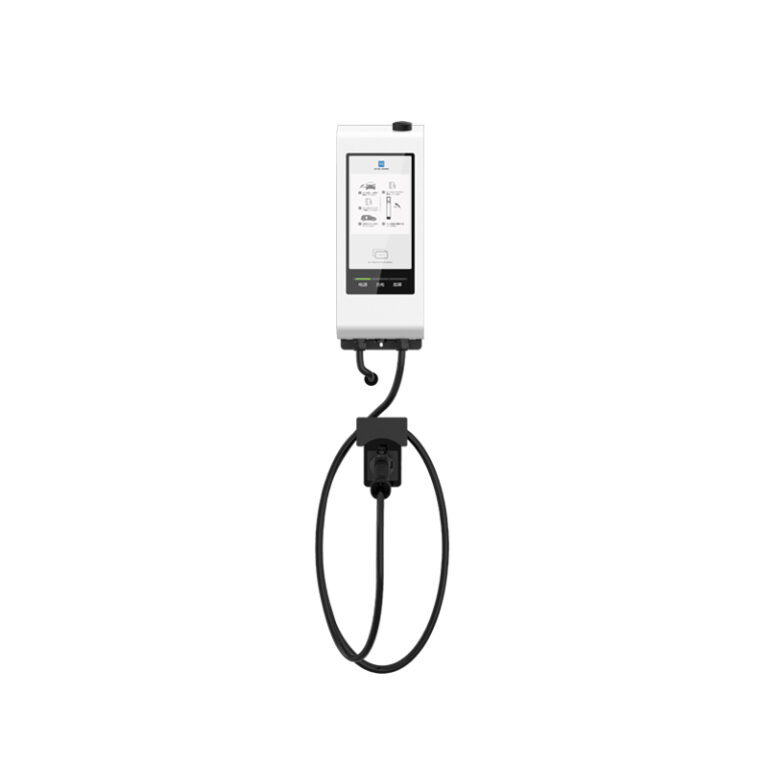
1) Match charge rate to duty cycle and onboard charger capability—avoid wasted kW. 2) Require open protocols and scalable software to prevent vendor lock-in. 3) Budget for installation realities and maintenance; include firmware management and routine inspections. These metrics keep choices grounded and measurable.
Conclusion
The comparative view makes selection concrete: hardware, power architecture, and software must align with operational cadence and cost targets. Embed {main_keyword} and {variation_keyword} into procurement specs so teams measure the right outcomes. The right Level 2 EV charger installation strategy reduces downtime and creates predictable running costs—this is where INFORE ENVIRO’s practical deployment expertise becomes the natural next step. INFORE ENVIRO. —