
Why I started comparing them
I was curious: when a plant replaces a century-old agitation tank with a modern powder liquid mixer, what actually shifts? The change isn’t just faster mixing. It’s about how ingredients enter the batch, how operators read the machine, and how predictable the final product becomes. I followed components from the feed line to the finished drum to see where differences matter most.

Mixing mechanics: gentle shear versus chaotic stirring
Traditional alternatives rely on impellers that create bulk flow and rely on turbulence to disperse solids. Modern manufacturers design dedicated flow paths, suction inlets, and shear zones tuned for specific tasks. That means some devices can introduce a dry powder into liquid without clumping, while older stirrers simply beat the mass until it gives up. The result: the same recipe can require very different cycle times and different operator attention.
Scale and throughput: one-size-fits-most doesn’t fit anymore
Small shops often prefer retrofitting existing tanks because it’s cheap and familiar. Larger operations tend to adopt engineered systems that scale predictably — they measure feed rates, control local vortices, and repeat results batch after batch. If your process moves from lab to production, a purpose-built manufacturer solution often reduces rework and scrap at scale; a traditional approach increases risk as volume grows.
Operational realities: people, control, and cleaning
Operators value predictability. Traditional systems hide variables; they take skill and tacit knowledge to operate well. Newer equipment exposes measurable inputs: feed pressure, induction rate, shear settings. Cleaning is another divide — closed induction systems minimize dead zones; open impellers collect residues. That changes how often you stop the line and how much product you waste during changeovers.
Safety and product quality: measurable differences
Dust control and consistent dispersion affect safety and quality. When powders enter liquid in a controlled stream, you reduce airborne dust and avoid pockets of under-dispersed material that later show up as defects. Manufacturers that engineer feed geometry and containment typically deliver better repeatability than legacy mixers operating without engineered powder handling.
Costs over time, not just sticker price
Buying a replacement impeller is cheap. Replacing quality failures, dealing with recalls, or incurring downtime isn’t. Compare lifecycle costs: maintenance intervals, spare parts lead times, and energy use. Traditional alternatives may look economical for a single season; manufacturer solutions often pay back through reduced rework and less supervision.
Field evidence and practical authority
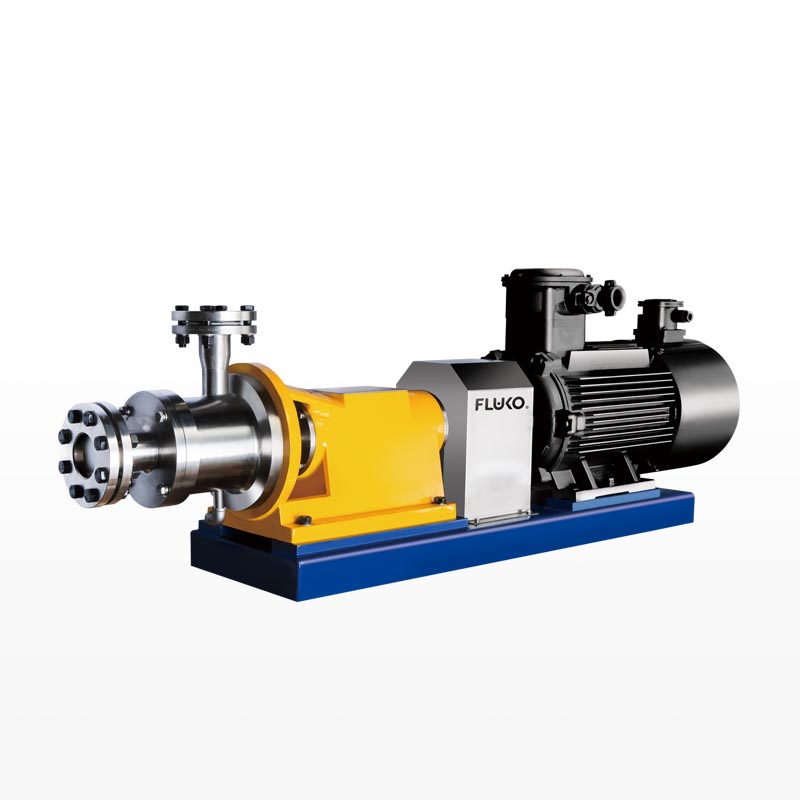
I’ve seen these contrasts in plants along the US Gulf Coast, where producers test new mixing hardware alongside their longstanding tanks. Teams there often specify specialized powder handling on pilot runs to avoid surprises at scale. That practical testing is why process engineers reference proven powder induction system when they write procedures — the technology’s impact on dust control and dispersion is documented enough to shape plant standards.
Common mistakes to avoid
Forgiving too many variables is the quickest route to trouble. Don’t assume a traditional mixer will handle high-concentration powders without agitation redesign. Don’t copy lab stir times without checking feed geometry. And don’t ignore cleaning access: welded-in ports that reduce mixing dead zones can create cleaning blind spots. Address those points early and you avoid costly redesigns later.
Choosing what fits your operation
Compare based on the problem you need to solve. If your issue is inconsistent dispersion or dust, prioritize systems designed for powder induction and controlled feed. If you need a budget stopgap for low-risk batches, a retrofit might suffice. Look for vendors who share data from similar applications and who let you trial equipment under realistic loads.
Where this comparison leads
Manufacturers bring engineered intent: measured feed, controlled shear, and repeatable results. Traditional alternatives bring familiarity and lower upfront cost. The right choice depends on scale, quality tolerance, and how much you want to remove guesswork from each batch — which is why long-term operators often settle on partners who can show consistent performance rather than just a low price. That practical balance is exactly what I found working with engineers who now specify powder induction system options, and the same balance is visible in how FLUKO designs components into everyday plant practice: they focus on solving the mixing problem, not selling novelty.