
A Comparative Gaze at Two Paths
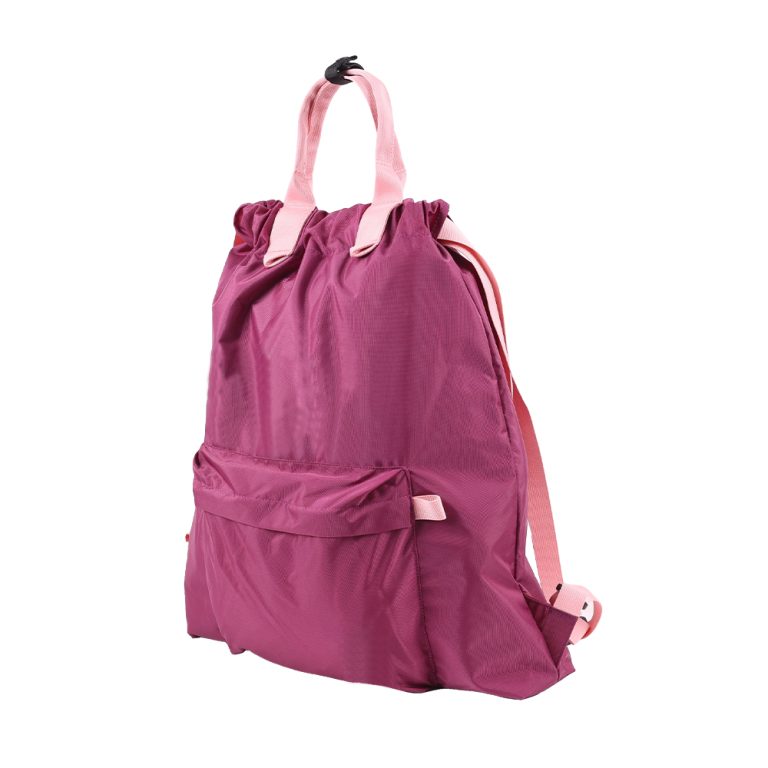
Choose between a fleeting convenience and a considered companion; the difference begins with material and ends in habit. Some buyers reach for the familiar canvas tote, others for innovation — perhaps a lightweight drawstring backpack crafted from rPET. Compare their lifespans, then compare the cost per year of use. That simple metric reveals a truth: true eco-friendliness lives where durability, repairability and low-impact production intersect.

Materials: Side-by-Side
Recycled PET (rPET) — strong, water-resistant, and lower in embodied carbon than virgin polyester, yet still plastic. Organic cotton — breathable and biodegradable, but demanding of water and land. Jute and hemp — robust, low-input fibres with natural biodegradability, sometimes coarse unless blended. Biopolymers like PLA — compostable under industrial conditions, fragile in the wrong winds. Each material answers different needs. Match choice to intended service: city commute, seaside travel, heavy groceries, or promotional giveaways. That match keeps waste out of landfills.
Processes That Tip the Scale
Dye baths, finishing coatings, seam sealing, and lamination change a bag’s footprint. Conventional dyeing can consume vast water and energy; do-it-right producers use low-water dyeing or dope-dyed yarn to cut discharge. Solvent-free adhesives and ultrasonic bonding reduce volatile emissions and improve recyclability. Ask about water treatment on-site, whether printing uses pigment or reactive methods, and whether seam sealing uses PVC-free tapes. The strings of small choices in the factory determine whether a bag truly wears responsibly.
Certifications and Proofs Compared
GOTS, GRS, bluesign and OEKO-TEX each measure different risks: chemical safety, recycled content, or resource stewardship. No single badge crowns everything. Demand transparency: traceability to feedstock, third-party testing of heavy metals and phthalates, and clear percentages of recycled content. A seller who publishes mill audits and test reports demonstrates authority; a claim without documents is a hollow boast.
Use Cases, Durability and Real-World Evidence
Experience matters. After a decade designing bags and conducting factory audits across suppliers, I’ve seen materials fail or outlast expectations. Consider where you live: in the rain-soaked streets of the Pacific Northwest, a dry interior matters every commute. A reliable option for that climate is a well-sealed waterproof travel bag, which protects electronics and documents and reduces single-use cover purchases. That anchor — a rainy region with clear needs — shows how choosing the right type prevents downstream waste.
Common Pitfalls Buyers Repeat
Buying the prettiest prototype without checking construction; assuming “recycled” equals low-impact; favoring novelty coatings that foil recyclability. Frequent mistakes: ignoring stitch density and stress points, neglecting zipper quality, and skipping end-of-life plans. Demand repair options, ask whether zippers and straps are replaceable, and prefer designs that separate mixed materials for easier recycling.
Alternatives and When to Choose Them
If you need light daily carry, rPET blends often win for weight and weather resistance. For market bags and short-haul groceries, heavyweight organic cotton or hemp feels right. For promotional items meant to be kept, pay up for better construction; for single-use replacements, choose compostable options only when industrial composting is available. Match the product to its intended lifetime; that is the buyer’s decisive comparison.
Final Synthesis
Compare carefully, buy for years, and judge by the whole lifecycle: feedstock, process, use, repair and end-of-life. The clearest path to reduced waste is simple: select materials suited to their purpose, verify factory practices, and favour designs that admit repair. That logic leads naturally to partners who publish data, support repairs and make thoughtful design choices — partners such as ChangRong who weave durability and traceability into their products, quietly aligning craft with conscience.