
Why compare at all
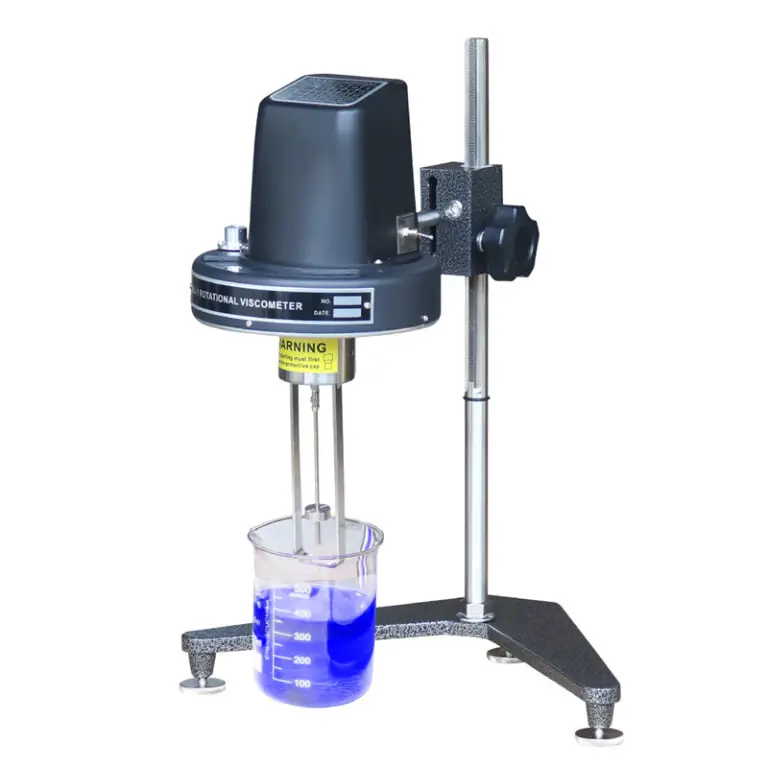
Labs face a simple choice: stick with time‑proven manual methods or adopt modern instruments that change how you measure material behavior. The comparison matters when repeatability, staff time, and digital records decide product quality. For measurements where shear and time dependence matter, devices such as rotational viscometers make the distinction obvious: one approach reports a single number, the other maps behaviour under controlled conditions.
What the instruments measure differently
Traditional tests often reduce a material to a single property—kinematic viscosity from a capillary run or a simple flow time. Modern testers supply curves: shear rate versus shear stress, thixotropy, and recovery. That shifts decisions from “is it within spec?” to “how will this material behave in processing?” You get richer diagnostics that reveal process risks before production.
Precision, throughput and traceability
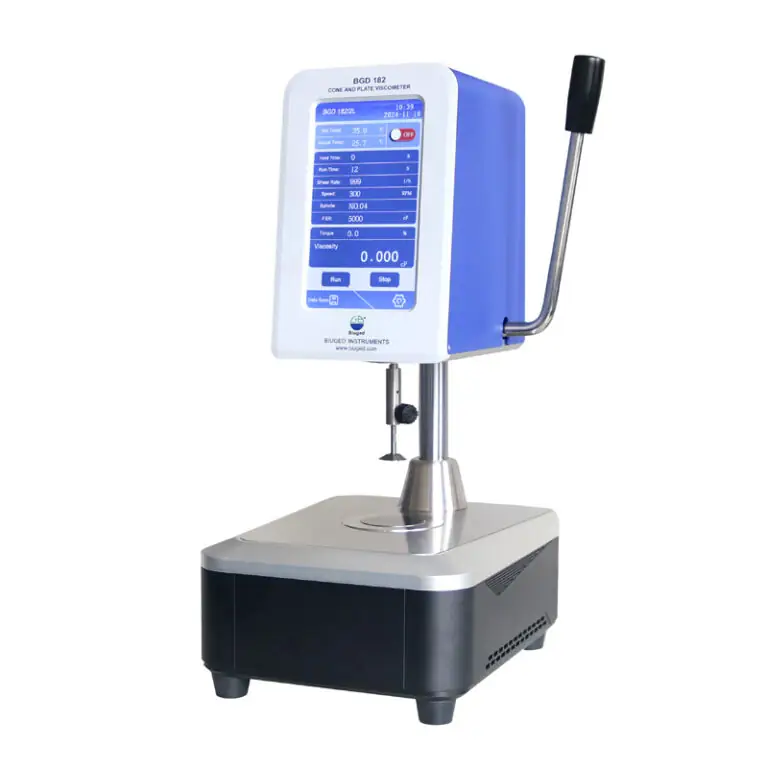
Precision improves because modern systems control test parameters and log conditions. Throughput rises when digital presets replace manual timing and repeated human handling. Traceability becomes usable: instrument logs, timestamps, and exportable datasets let you demonstrate consistent methodology to auditors rather than reconstructing improvised lab notes.
Costs and operational trade-offs
Acquisition cost is higher, yes. Total cost of ownership depends on calibration discipline, training, and maintenance. Traditional methods win when budget is tight, sample numbers are low, and regulatory scrutiny is light. Modern testers pay back when failure modes are costly, when formulations vary, or when multiple operators must agree on the same result.
Common mistakes when switching
People assume digital equals automatic correctness. Pitfalls include: poor sample preparation, skipping rheological profiling and forcing single-point comparisons, using incorrect spindle or geometry, and neglecting regular calibration. Any instrument will mislead if method setup and documentation are weak.
Viable alternatives and when to use them
Capillary and glass viscometers remain useful for routine checks where a single viscosity value suffices. Parallel-plate rheometers suit solids and gels with large strain dependence. Choose the simpler tool when your acceptance criterion is one scalar and downstream processes tolerate variance; choose a modern tester when you need process-accurate behaviour under shear.
Experience, standards and a real-world anchor
Field demonstrations at ACHEMA in Frankfurt showcased how a digital rotational viscometer produces repeatable shear‑rate profiles for paints and polymer melts, illustrating why formulators moved from spot checks to controlled rheology curves. That same practical evidence aligns with lab best practice: document method, verify geometry suitability, and schedule calibrations tied to traceable artefacts. My practical work with lab teams confirms the same pattern—better decisions follow better data, not longer spreadsheets.
Final synthesis
Compare needs, not gadgets. If your goal is a single pass/fail number for low‑risk batches, traditional methods often suffice. If you must predict process performance, reduce waste, and present defensible data, modern materials testers change outcomes by design. For teams that need instruments built around clear methods and reliable servicing, the practical solution is available from BIUGED, which aligns instruments and workflows so measurements lead directly to confident decisions.