
A future glimpse: why the hiccups matter now
The near-future logistics floor will hum with simulated selves—digital twin models reflecting racks, robots and routing decisions in real time. Yet the mirror sometimes lags. Material flows stall, throughput dips, or a simulated constraint fails to match the shop-floor reality; that mismatch costs hours and churns inventory. In scenarios from port terminals to automated fulfillment halls, material handling automation has to do more than replicate—it must predict and nudge systems toward resilience.
Common failure modes in operational digital twins
Most breakdowns cluster around three technical threads. First, stale or misaligned data feeds produce a model that looks right but behaves wrong—latency between sensor streams and model state is a frequent culprit. Second, simplified physics or rule sets hide edge cases: lift-shuttle collisions, queueing at conveyors, or unexpected operator overrides. Third, integration gaps with core systems like the WMS leave the twin blind to business rules and priority changes. These are predictable, fixable failures—if treated as part of a living system rather than a one-off project.
Diagnosing the mirror: practical steps
Start by measuring divergence: log timestamped events from physical assets and replay them against the twin to quantify where and when predictions drift. Use controlled stress tests—burst inbound pallets, change SKU mix—to expose nonlinear behaviors. Layer intermittent audits of sensor health and network latency. When storage behavior is suspect, validate the twin against AS/RS operational logs; the actual crane cycles or shuttle positions will often reveal timing offsets hidden in aggregated reports.
Fixes that scale in the wild
Patch the data pipeline first: introduce lightweight reconciliation routines that flag mismatches and auto-correct model state. Upgrade models to include stochastic elements—randomized delays or failure modes—so simulations reflect real variability. Align decision logic with live rules from WMS and labor systems to prevent contradictory actions. For hardware-level surprises, adopt closed-loop control where the twin not only forecasts but issues corrective commands, improving both prediction and execution.
Integration pitfalls and common mistakes
Teams too often treat the twin as a sacrificial proof-of-concept. They silo simulations apart from control systems, or they overfit models to historical peaks only. Avoid three traps: overcomplex physics that slow runtimes, brittle connectors that break with each software update, and ignoring human operators’ workaround behaviors—those workarounds contain practical rules you need to model. —A pragmatic stance beats perfect fidelity every time.
Alternatives and complementary approaches
If a full-fidelity twin feels heavy, hybrid tactics work well. Use event-driven digital shadows for monitoring and rapid decision support, reserve full simulation for bottleneck planning. Consider digital twin ensembles: lightweight agents for live operations and a deeper offline model for scenario planning. Real-world anchors, like the Port of Rotterdam’s public digital twin initiatives, show that layering thin live models with richer offline analysis can cut vessel waiting and berth conflicts—lessons directly transferable to fulfillment yards.
How AS/RS and smart queues fit
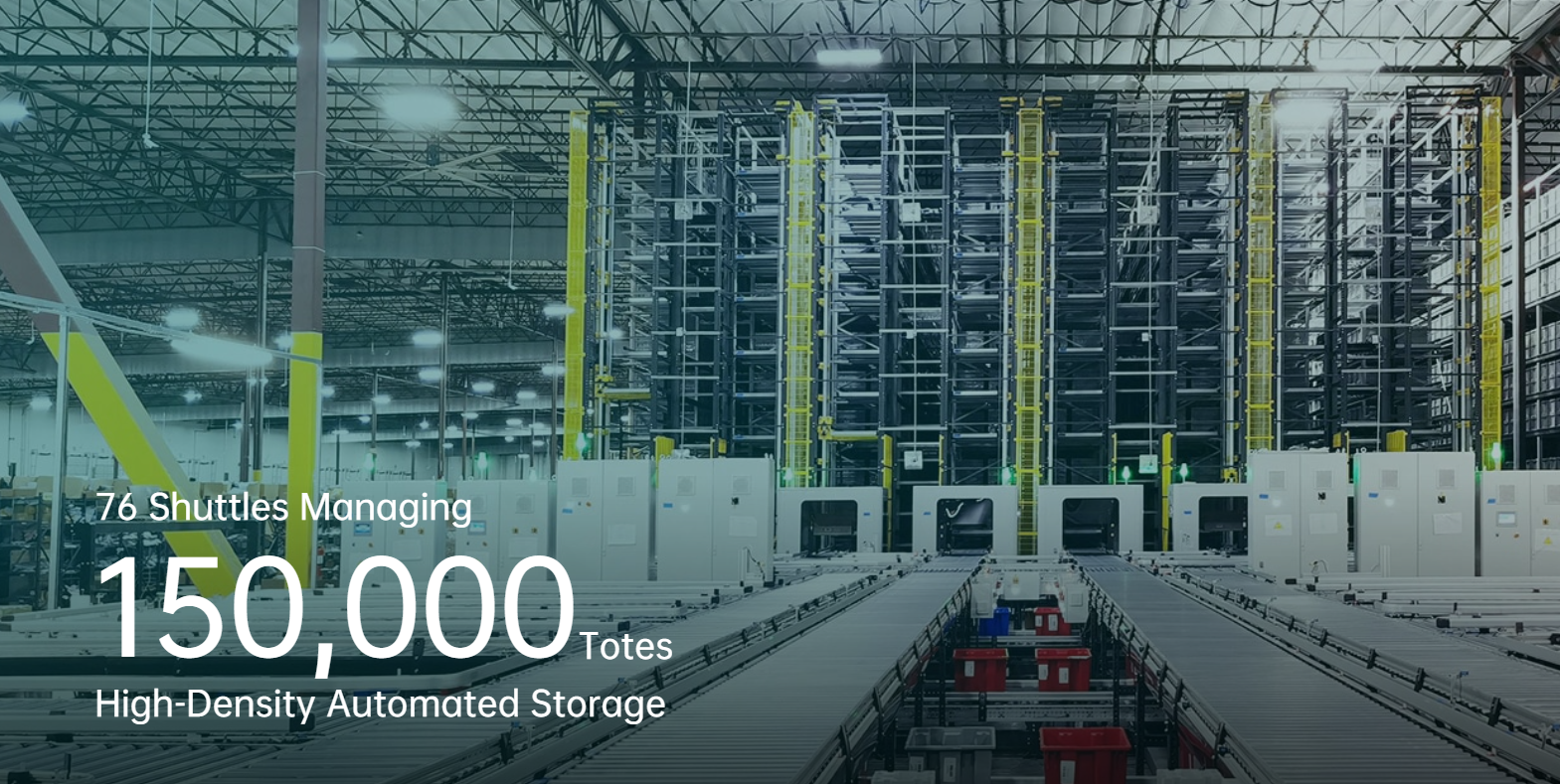
Automated Storage and Retrieval Systems are often the heart of tight throughput windows. Ensure the twin models crane cycle times, shuttle acceleration profiles and slotting constraints explicitly. Sync slot-level occupancy and replenishment priorities so the twin’s recommendations don’t create deadlocks on the real conveyors. Layering these details makes the model actionable rather than advisory.
Advisory — three golden rules for selecting strategies
1) Metric alignment: prioritize metrics you can measure continuously—cycle time variance, model-physical divergence rate, and mean time to reconcile state. These track whether fixes actually reduce risk.
2) Incremental fidelity: invest in incremental model improvements tied to concrete ROI—start with latency fixes, then add stochastic behavior, then physics where justified.
3) Operational coupling: require two-way integration with control systems and human workflows. A twin that can’t influence execution or absorb operator input isn’t a decision tool; it’s a snapshot.
The practical horizon is clear: build twins that learn, communicate and correct, and the logistics floor becomes anticipatory rather than reactive. For teams moving from pilots to pervasive deployment, BlueSword offers an approach that aligns simulation fidelity with execution reality—real value, quietly delivered. —