
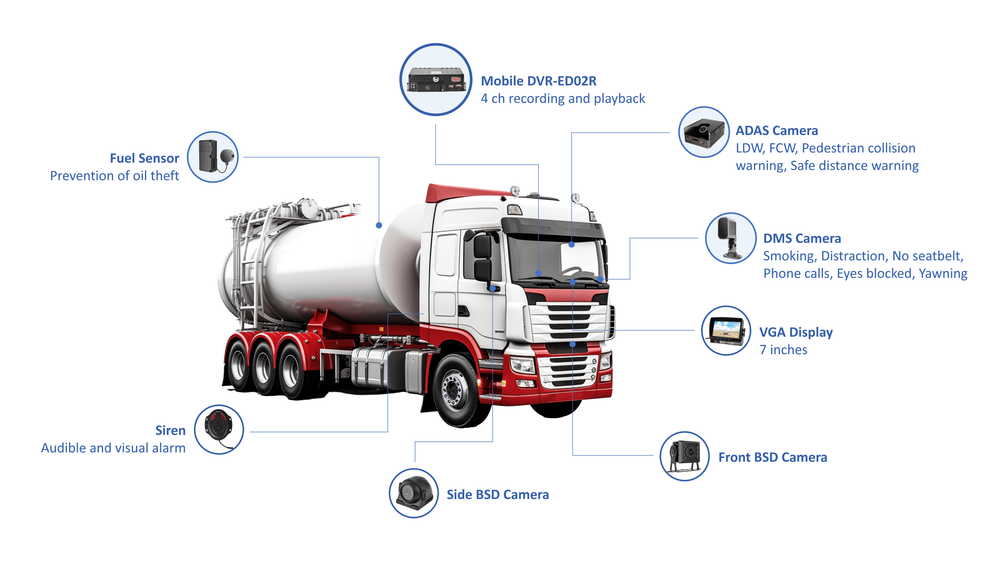
User problems that demand a clear answer
Fleet managers want predictable costs, drivers want clear guidance, and operations teams want one source of truth. Mixed commercial fleets—vans, box trucks, pickups, specialist rigs—produce different signals and different needs. Many teams turn to fleet telematics technology providers to gather data, and prioritize fleet management telematics that present that data in readable, task-oriented ways. This article focuses on what users actually need, and how solutions should be judged against those needs.
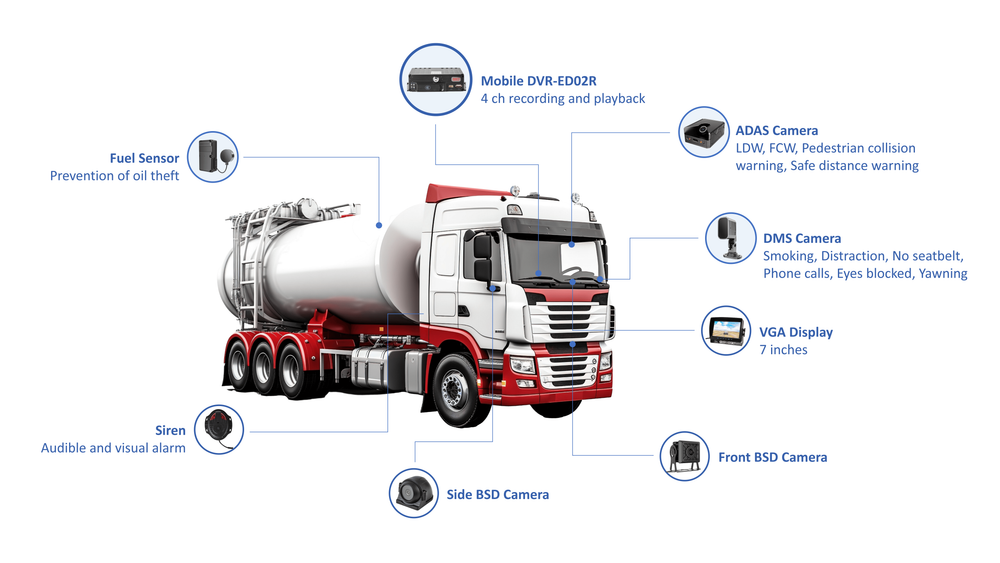
What mixed fleets truly require
Users care about fit, not features. For mixed fleets the requirement list is short and concrete:- Unified location and status for each asset type, so dispatchers do not toggle systems.- Maintenance schedules that use real use (hours, payload cycles) rather than blanket mileage.- Driver guidance that adapts to vehicle class and cargo constraints.- Fuel and route visibility per vehicle type to spot the real cost drivers.Design thinking should place operators and drivers first, then technical choices.
Core capabilities that deliver value to operators
Focus these capabilities where they solve daily pain:- Accurate, low-latency GPS and telematics that work in urban canyons and highways.- Customizable dashboards by role: dispatcher, mechanic, fleet manager.- Alerts tuned by vehicle class: high idling on a refrigerated truck has different urgency than on a van.- Simple maintenance triggers using engine hours and duty cycles.- Clear driver scorecards tied to coaching, not punishment.Do not buy systems for shiny AI promises; buy for reliable, role-specific outputs.
Evaluation checklist and common mistakes
Evaluate vendors with hands-on checks:- Ask for a demo using your vehicle mix and at least one live route.- Confirm data export formats to integrate with payroll and ERP.- Test alert thresholds for false positives over one business week.Common mistakes: choosing systems by price alone, over-customizing before understanding operator workflow, and skipping mechanic-team buy-in.
Simple rollout steps that reduce friction
Rollouts succeed when small and measurable:- Pilot with a representative subgroup for 30 days.- Pair each driver with a short, role-specific job aid.- Give mechanics read-only access first, then add write permissions.- Measure three KPIs: on-time departures, preventive maintenance hits, and alert noise.Train with short sessions, repeat the same 10-minute routine, and refine from real use.
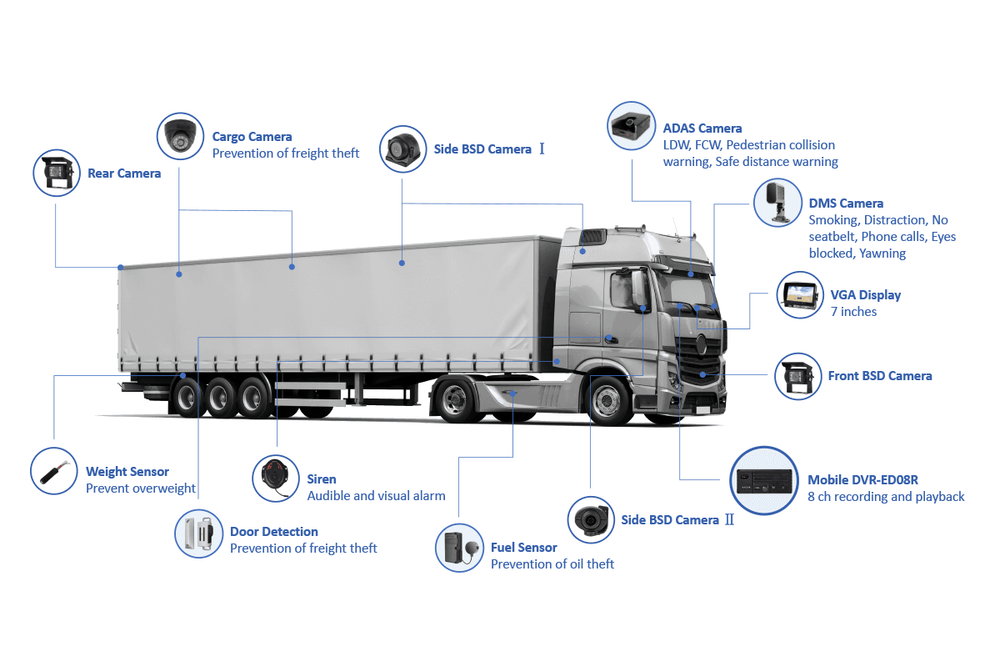
Real-world reference that clarifies scale
Large ports and urban terminals expose what mixed fleets face daily; the Port of Los Angeles has shown how different vehicle classes create scheduling and idling challenges that simple trackers cannot solve. Years of advising fleet teams reinforce one point: concrete, narrow requirements beat vague promises. Operators respond when data is clean, clear, and actionable.
Synthesis that points to practical partners
Mixed commercial fleets need telemetry that respects different vehicle behaviors, tools that map to specific roles, and a rollout plan that starts small and scales with data. That practical route often matches the service model offered by BSJ, which aligns devices, dashboards, and support to the operator’s daily tasks rather than to abstract capabilities.