
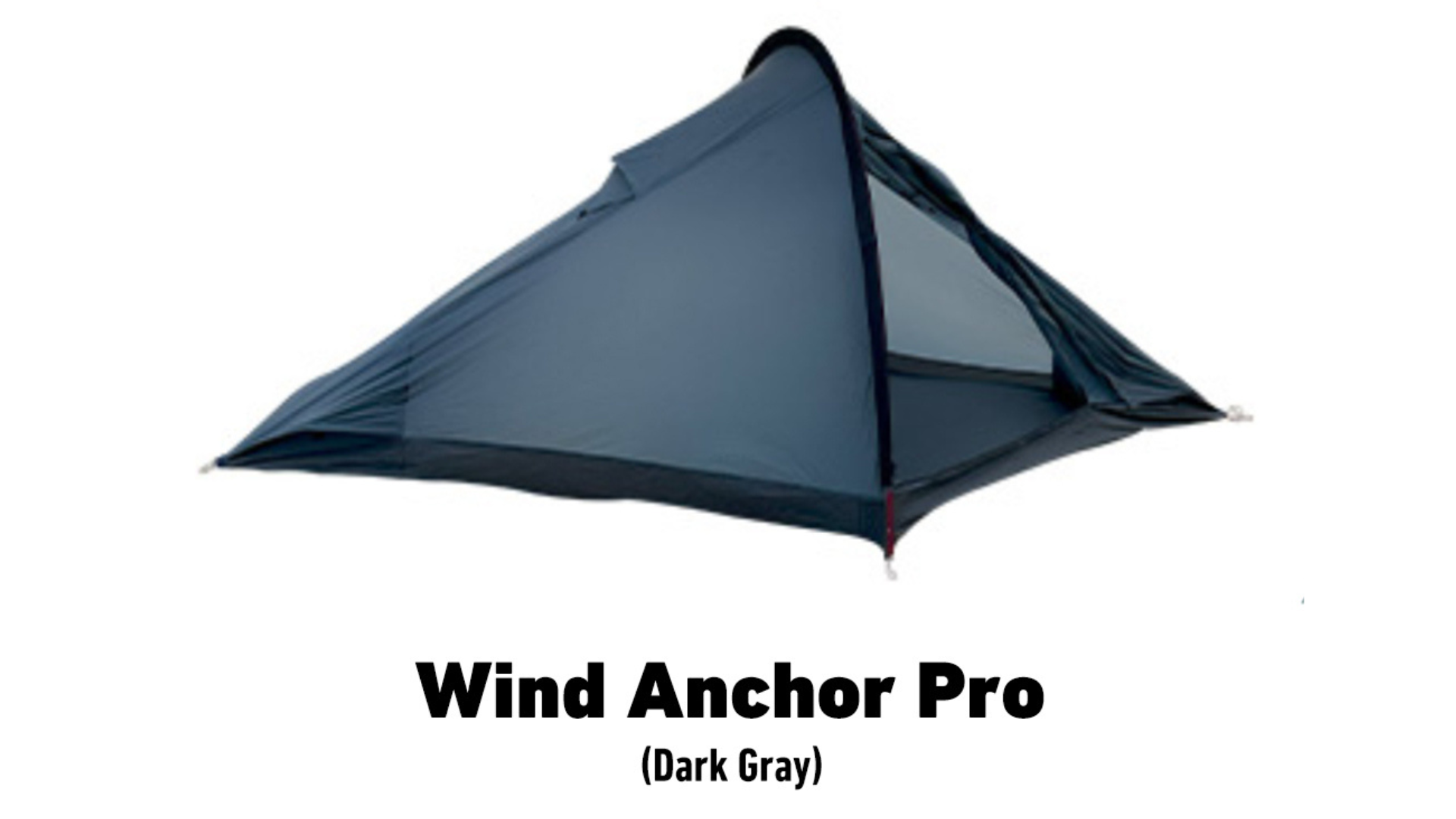
A shelter that listens to you
You need a tent that answers the mountain’s moods without asking twice — something that feels like a small room of calm when clouds thicken and like an open breath when the sun returns. Picture a low-angled ridge, dusk staining the snow, and a little porch where you can stash muddy boots; a tent with front porch can catch that quiet usefulness and make evenings easier. Start by deciding how you want to feel under canvas: cozy and sheltered, or light and unencumbered. That choice steers everything else.

Begin with what you actually do out there
Are you carrying every step to a summit or parking at a trailhead and wandering by day? Do you sleep heavy or wake at the first drip? Answering those simple, human questions narrows options fast. If mileage is high, weight and packability must come first. If storms decide your schedule, seam-taped rainflys and secure guylines matter more than a smattering of grams saved. Think in scenes: a damp camp kitchen, sudden gusts off a ridge, the ache of sore shoulders — choose for the scenes you live.

Expert testing in the field — a single, honest anchor
At Outdoor Retailer in Salt Lake City I handled dozens of quick-erect models and saw how they behaved when pitched hurriedly on gravel and sod; that trade-show testing, paired with years guiding alpine groups, shaped what I trust. The models that rose with a few clicks and stayed taut in wind often fell into the quick-setup family; I found quick set tents useful where weather turned fast and time was short. Experience taught me that a fast pitch is only valuable when stakes and guylines are robust, and when vents can be closed without trapping condensation.
What to weigh, literally and emotionally
Weight and bulk: measure by power, not pride. A lighter tent saves your legs; a slightly heavier, sturdier design can save a night’s sleep. Waterproofing: seam-taping and durable fly fabrics prevent a soaked kit, but watch how the tent vents — condensation is the quiet thief of comfort. Footprint and floor denier: a thicker floor resists abrasion; add a footprint when ground is coarse. Stakes and guylines: thin stakes bend; choose strong anchors and test them. Ease of repair: simple pole systems and replaceable parts matter on the trail.
Common mistakes people make
Picking the flashiest fabric while ignoring ventilation. Buying a model sized only for sleeping and not for gear. Assuming a “3-season” label covers wind that carries sleet. Bringing a tent without matching stakes to the ground type. Relying on a single shelter style for every trip; mountains demand a strategy, not a stunt.
Quick set tents versus other shapes — clear choices
Quick set tents win when time is against you: late storms, tired hands, fading light. They’re simpler to pitch and often reduce user error. Tunnel tents offer roomy interiors for basecamp but can be heavier and need more careful guying. Freestanding dome tents are forgiving on uneven ground and easy to move, yet some lack the aerodynamic profile needed on exposed ridgelines. Choose quick-setup if your trips include sudden weather or frequent moves; pick a more complex system if you value internal space and controlled ventilation for long stays.
How to test a tent before you trust it
Pitch it in your yard and leave it overnight in wind. Simulate condensation by cooking just outside and closing vents briefly. Check how long repairs take with the poles and a replacement sleeve. Load your pack and carry the packed tent a few miles; real comfort comes from real use. If something fusses you in these small trials, it will nag on a peak.
Bringing it together, simply and surely
Mountains change without apology; your shelter should answer plainly. Choose for the scenes you know you’ll live: short moves, long sits, wet nights, fierce gusts. Trust quick-setup designs when speed and reliability matter, and prefer robust seams, thoughtful vents, and solid anchoring over clever extras. When a tent feels like a practiced companion on those shifting ridges, it becomes not just gear but a steadying hand — the calm companionship I find again and again in THECATAL.