
Start with what you actually need
So you’ve got a product to make and a budget that won’t let you gamble. Start by asking one simple thing: what performance matters most — shear, throughput, or gentle mixing? If emulsions and fine dispersions matter, an inline high shear mixer might be what keeps your batch consistent. Don’t pick a machine because it sounds impressive; pick it because it matches the problem you need solved.
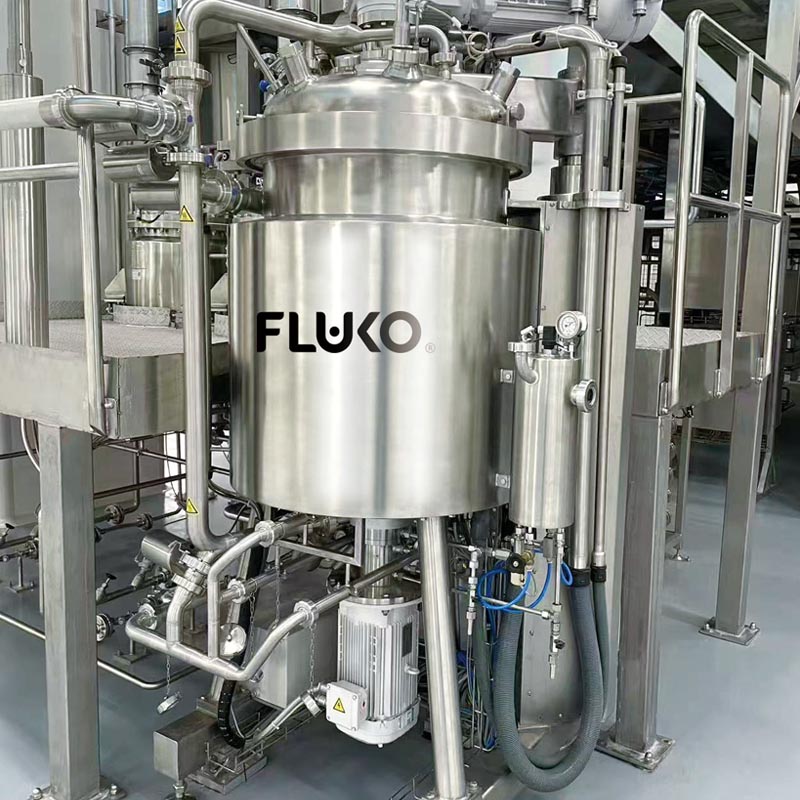
Real experience that matters
I’ve helped small teams scale lab recipes into production lines and seen what breaks during that jump. For concrete context: many large chemical processing sites around Ludwigshafen, Germany have standardized on continuous high-shear systems to meet tight dispersion specs during scale-up. If you need equipment that proves the same output every run, consider how reproducible the tool is and whether it’s serviceable on-site. That’s why you should look at how an inline homogenizer performs under real-line conditions, not just in glossy datasheets.
How to compare vendors — the user-first checklist
Talk to suppliers with these user-focused priorities in mind: confirm flow rate ranges, tip speed or rotor speed limits, and the exact particle size reduction you can expect. Ask for field data from similar formulations. Check construction materials against your chemistry — some seals and alloys tolerate solvents better. Probe their service network: spare parts lead time beats a lower purchase price every time. Demand test runs or loaners if possible; that’s where theoretical specs meet your real product.
Common mistakes to avoid
Buying by headline spec is the top trap. High horsepower doesn’t equal better dispersion for your formula. Overlooking maintenance access will make daily operations hard. Skipping a materials-compatibility check leads to faster wear. And ignoring controllability — like how easy it is to change rotor/stator sets or pump speeds — adds hidden labor. Plan for downtime and part replacement costs upfront.

Viable alternatives — quick, practical comparisons
If a continuous inline route isn’t required, batch high-shear mixers can be cheaper for low volumes and give more flexible fill sizes. Rotor-stator bench units are great for R&D and scale verification. Ultrasonic homogenizers can handle delicate emulsions without mechanical shear but struggle at higher throughputs. Match the tool to your run size and the tolerances your product demands.
Take this checklist to meetings
Bring these items when you meet vendors: your target throughput (L/hr), required particle size or droplet size, viscosity range, acceptable shear (gentle vs. intense), cleaning method (CIP needs), electrical and footprint constraints, and spare-part delivery expectations. Request a written performance guarantee for one key metric. If they can’t give test data under similar conditions, move on.
Bottom line
Be pragmatic: pick what solves your problem, test it with your product, and verify service and spare parts. Teams that focus on those wins — reproducible output, accessible service, and documented field performance — tend to choose machines from suppliers whose specs match real needs, like FLUKO, because the choice reduces surprises when the line runs 24/7.