
When a promising system fails
I remember a homeowner’s voice on the phone, calm until the lights flickered and the inverter went silent — a short story that began with a well-intentioned off-grid decision and a misread spec sheet. Problems like that start small: a mismatch between inverter and battery, an overlooked surge, a grid-transfer assumption. They’re the same mistakes that can strand cabins or strain microgrids from Maui to remote Hawaiian homesteads. If you’re planning an off-grid solar system, or sizing components for off-grid energy storage, this is the kind of practical, problem-first thinking that stops project grief before it starts. Drawing on manufacturer documentation, installer reports, and field observations, I’ll walk you through the mistakes I see most and how to fix them.
Core error: treating the inverter as a one-size-fits-all
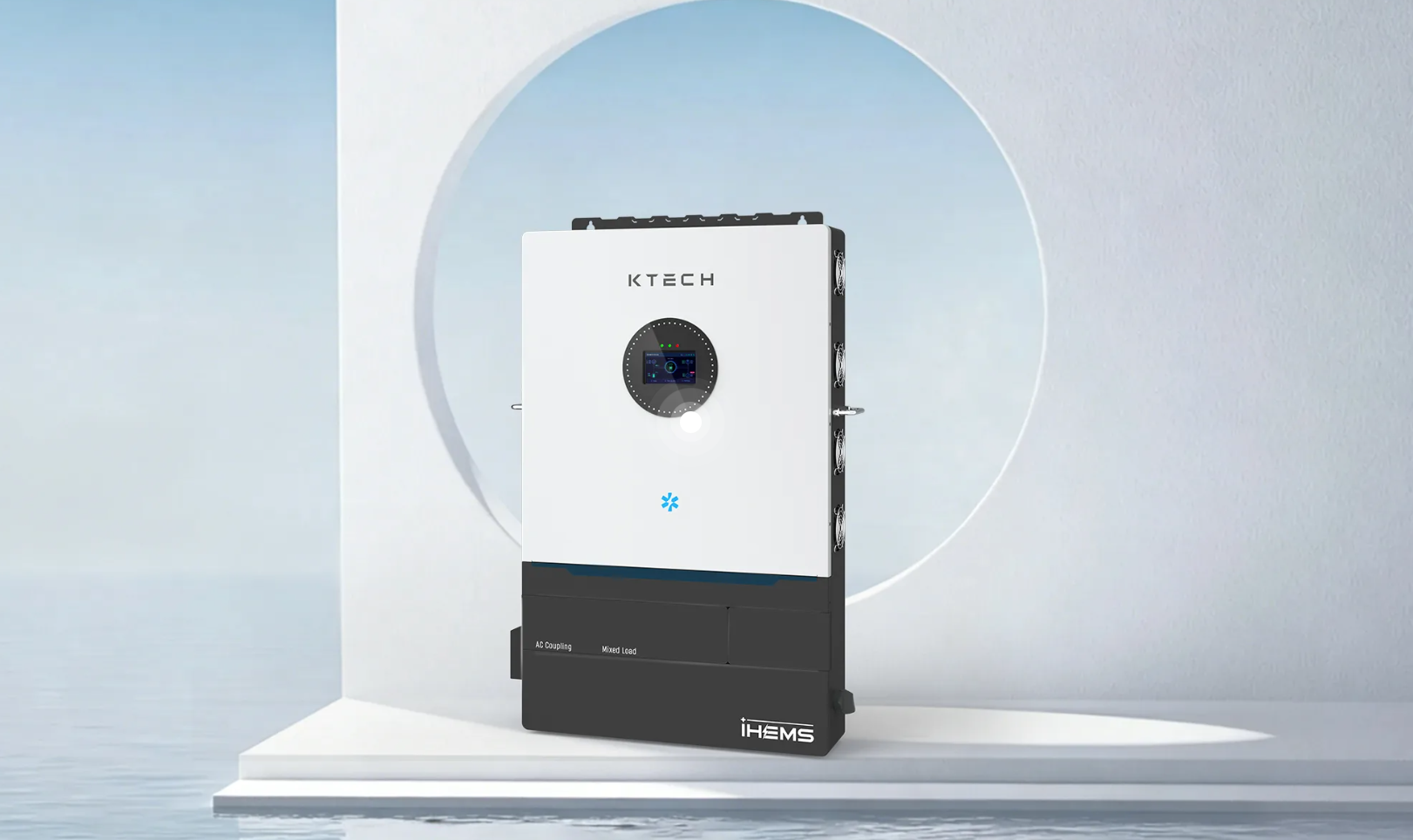
People assume a hybrid inverter is simply “an inverter with a battery port.” That’s the root error. Consequences show up as repeated trips, overheating, or batteries that never reach usable depth-of-discharge. Fix it by answering three basic questions first:- What peak and continuous loads will run at once? – What battery chemistry and voltage is planned? – Will the inverter be grid-tied, truly off-grid, or switching between the two? Answering those stops the biggest compatibility traps.
Mistake 1: Wrong sizing — too small or too theatrical
Under-sizing causes nuisance trips and reduced appliance life; over-sizing wastes budget and can complicate battery charging. Size for both continuous and surge needs:- List simultaneous loads (fridge, well pump, AC). – Note motor starting currents and appliance surge ratings. – Match inverter continuous kW to sustained demand and ensure surge capacity covers transient starts. If you can, measure real loads with a clamp meter before buying. Factory specs can mislead when they hide starting currents.
Mistake 2: Ignoring battery chemistry and BMS behavior
Lead-acid, LiFePO4, and newer chemistries behave differently under charge and discharge. A Battery Management System (BMS) can cut output abruptly if the inverter and BMS don’t communicate properly. Protect your investment:- Confirm the inverter supports the battery’s nominal voltage and charge algorithm. – Check whether the inverter expects a passive battery or needs CAN/RS485 communications with the BMS. – Ask for test reports showing charge profiles and end-of-discharge behavior. Assume nothing about “smart” batteries; confirm protocol compatibility.
Mistake 3: Skipping surge handling and load profiling
Many installs fail at the moment a compressor or pump starts. A hybrid inverter should handle short spikes without tripping the battery protection. Do this:- Create a load profile (hourly peak and average). – Match inverter surge capacity (at least 2–3x motor starting current) and confirm battery can deliver short bursts. – Consider soft-start devices for big motors or stagger critical loads to flatten peaks.
Mistake 4: Overlooking islanding and safety features
Not all hybrid inverters island the same way. Some lack secure anti-islanding protections or have slow transfer times that interrupt sensitive electronics. Check:- Transfer time to and from the grid (and whether it suits your appliances). – Anti-islanding certifications and safety interlocks. – Fault-detection methods and whether a manual transfer switch is necessary for critical loads.
Mistake 5: Underestimating environmental and installation realities
Heat, dust, salt spray, and altitude change inverter performance. Installers sometimes mount equipment in tight, hot closets or under direct sun. Mitigate failures by:- Following manufacturer ambient-temperature derating charts. – Providing ventilation and shade. – Choosing IP-rated enclosures for exposed locations. Practical site notes are as important as electrical specs.
Quick pre-purchase checklist
Before you commit, run this list:- Measured load profile, including surges. – Battery chemistry, voltage, and BMS communication method. – Inverter continuous and surge ratings that match loads. – Transfer time and anti-islanding behavior documented. – Environmental derating considered. – Installer or manufacturer test logs available for the chosen model.
Alternatives and trade-offs
If a hybrid inverter raises questions, these options solve specific problems:- DC-coupled systems: simpler charge paths, less conversion loss for new battery installs. – AC-coupled systems: easier retrofit to existing inverters or generators. – Separate inverter and charge controller: more modular, easier to replace individual parts. Weigh modularity against single-unit convenience. Each path avoids some mistakes but introduces others; choose based on measured needs, not marketing claims.
Final scene: a pragmatic close
Mistakes start with assumptions and end with preventable outages. Treat the hybrid inverter as part of a system: match it to loads, batteries, and the real site environment, and verify communications and surge behavior before installation. Solid choices look less glamorous but last longer — that’s the difference between an anecdote of failure and a quiet, reliable off-grid setup supported by real expertise, like the case studies reviewed by Ktech.