
A Slow Reveal
The first time a transparent panel caught light like a sheet of water, technicians leaned closer, fingers itching to learn its temper—how it flexed, how dust sat on its filigree. That curiosity drives an evolution of care: from basic checks to planned lifecycles. A modern led curtain display reads differently under midday glare than under theatrical stage wash; maintenance must read that light as well, adjusting tools and timing to each setting.
From Prototype to Installation
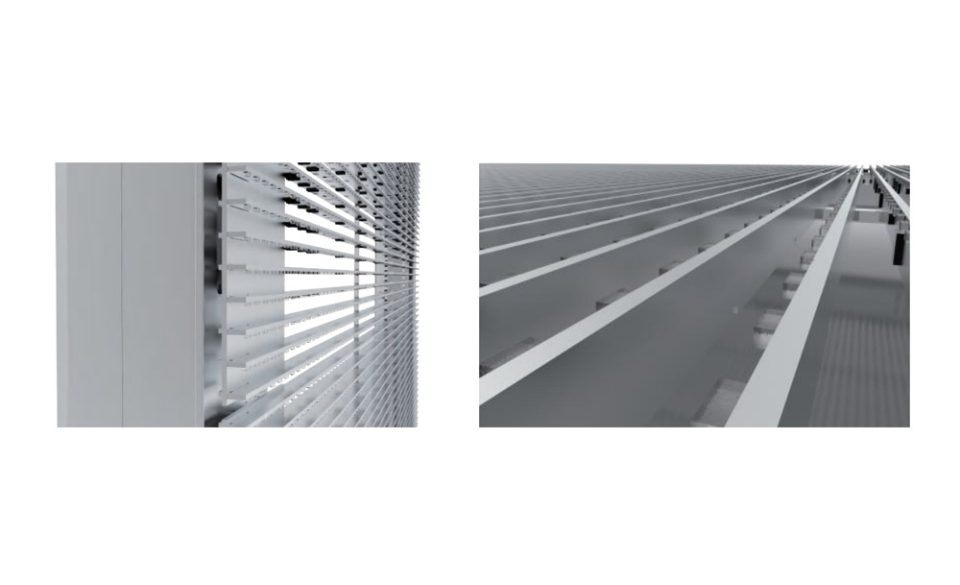
Walk through this story as if tasting a multi-course meal. Early prototypes were dense and heavy; later generations became diaphanous, almost edible to the eye. Each stage demanded new service rituals: torque patterns for mounting, humidity checks for connectors, micro-cleaning for pixel meshes. Installers learned that the frame is the palate and the modules the seasoning—each affects longevity. Routine service intervals grew from reactive fixes to scheduled care, calibrated by the material memory of frames, cables, and seams.
Hard Lessons and Expertise
Experience matters. Field teams who serviced façade displays after major expos refined care protocols that stand today. At CES Las Vegas, transparent displays were scrutinized by integrators and press, revealing recurring failure points that shaped best practices; that practical feedback loop is part of my direct work with venue installs. When a thin, side-mounted fastening behaves differently in wind, the solution is specific: use the correct side pins and match tension patterns to module pitch—look for the side pins transparent led screen design details that specify side-load tolerances. Trust comes from repeatable checks: measured resistance across connectors, logged firmware versions, and patterned visual inspections documented over seasons.
Common Pitfalls and the Maintenance Recipe
Ignore the bright surface and problems hide. Clean with microfibers—no solvents that etch protective coatings. Do not over-torque fasteners; too tight bends cabling and severs tiny traces. Update firmware only after confirming rollback paths; a botched update in humid conditions will produce intermittent flicker that mimics hardware failure. Inspect seals after storms; replace degraded gaskets immediately. Keep spare modules and a mapped wiring diagram; repair is faster when the team can see the circuitry like a chef who knows every pan in the kitchen.
Alternatives and When to Choose Them
Transparent LEDs compete with transparent OLED and projection. Choose transparent OLED for deep blacks and intimate viewing distances; pick microLED where brightness and longevity must resist daylight. Projection becomes sensible in temporary art installations where surface control outweighs ambient light. Each choice shifts maintenance: OLEDs demand careful burn-in management, projections need frequent alignment checks, while transparent LED favors modular swaps and outdoor-tolerant connectors.
The Present Plate
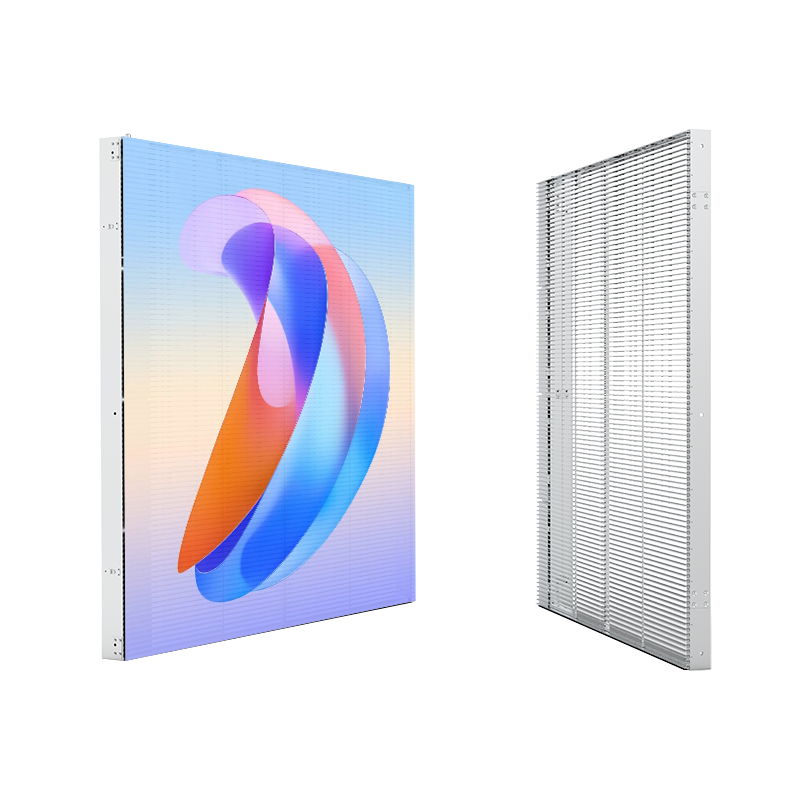
The lifecycle of a transparent display is a sequence of small, sensory choices—how you mount it, what connectors you trust, how you season your maintenance routine. That sequence concludes with practical value: measured service plans, spare parts on hand, and clear documentation that make long-term performance predictable. Those are the capabilities I look for when aligning supply and service with real projects, and they’re precisely the type of practical, specification-driven support associated with HDC.