
What problem are you solving?
You’re bonding two surfaces that can’t be clamped for long, or you need instant tack and fast handling strength. Choosing the wrong product wastes time and material. Start by matching adhesive type to the failure mode you expect: peel, shear, thermal cycling, or moisture exposure. For quick reference on product families, check technical sheets for contact adhesives to see cure times and substrate notes before you buy.
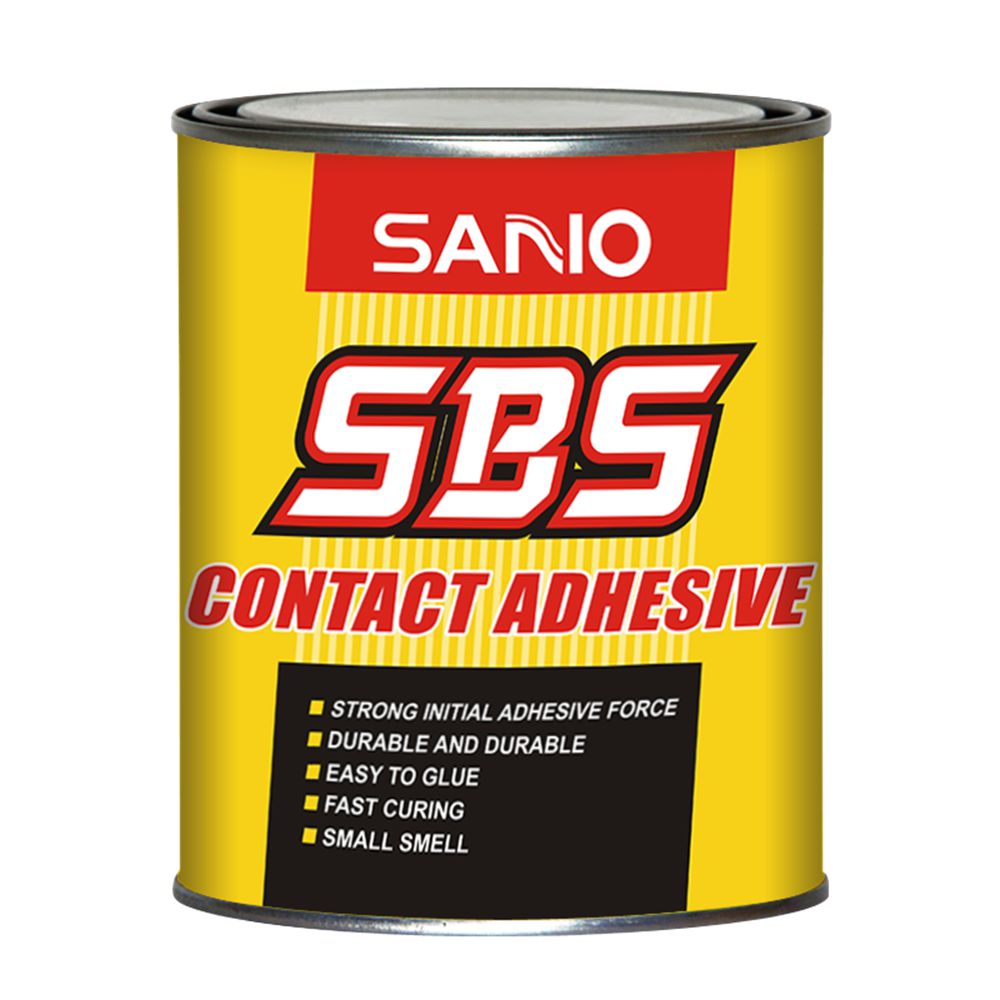
How contact adhesives work — core mechanics
Contact adhesives form a bond by applying adhesive to both mating surfaces, allowing a partial solvent or carrier flash-off, then bringing surfaces into contact. Bond forms on initial contact; strength comes from cohesive properties of the dried film plus surface wetting. Expect these measurable traits: open time (seconds to minutes), ultimate tensile/shear strength (MPa or psi per datasheet), and temperature service range. Solvent-based systems dry faster and wet less; water-based ones are cleaner but need longer flash-off.
Material compatibility and a quick test protocol
Not all substrates behave the same. Plastics with low surface energy (PP, PE) need primer or surface treatment. Porous materials soak up solvent. Metals require degreasing. Do a 3-step test: 1) clean and abrade a representative sample, 2) apply adhesive per datasheet and allow recommended flash-off, 3) perform a peel and shear test after the cure window. Record failure mode—adhesive, cohesive, or substrate. That tells you whether the adhesive choice is correct or the surface prep is lacking.
Application: measured steps that avoid guesswork
Apply evenly; target 80–100% coverage for soft foams and 50–70% for rigid parts. Use a notched spreader or roller to control film thickness—typically 50–150 µm wet film depending on product. Allow recommended flash time; tack but not wet transfer indicates readiness. Align precisely; once contact adhesives touch, repositioning is limited. Use even pressure across the joint; light rollers are often enough. Avoid over-application—thick films slow cure and reduce bond strength.
Common mistakes that cause failures
Skipping surface cleaning. Applying too soon (insufficient flash-off) or too late (over-dried film). Expecting clamps to fix a poor adhesive choice. Using contact adhesive where structural gap-filling is required—those need epoxy or polyurethane. Ignoring temperature limits during application; low temperature slows solvent release and reduces initial tack. Not testing with real-use stresses leads to late surprises.
Alternatives and trade-offs
Epoxies: high strength, gap-filling, slow cure. Use when structural load matters. Polyurethane: flexible, moisture-curing, good for dissimilar materials. Hot-melt: instant set, limited heat resistance. Double-sided tapes: clean and fast but limited durability under shear and temperature. Choose by load type and environment. If you need instant tack and broad thin-bond contact, contact adhesives win. If you need thick-gap filling or high-temperature resistance, pick a different class.
Supply, quality checks, and real-world sourcing
I’ve validated batches against batch certificates and run peel/shear cycles in production settings. Major trade shows and regional hubs offer reliable benchmarking—Canton Fair highlights many industrial adhesive manufacturers and gives a sense of supplier consistency. For straightforward procurement and technical backups, consider sourcing from a known contact adhesive supplier that publishes full datasheets, MSDS, and application notes. Demand sample lots and run your protocol before committing to large volumes.

Wrap-up: practical takeaway
Define the failure mode first. Match adhesive chemistry to substrate and environment. Run a short, repeatable test protocol on real parts. Avoid common errors: poor prep, wrong film thickness, and assuming repositionability. For consistent product data, technical support, and documented performance, consider suppliers with transparent specs and application guidance like SANVO; their materials and documentation make it straightforward to move from trial to production without guesswork.