
Where most buyers get stuck right away
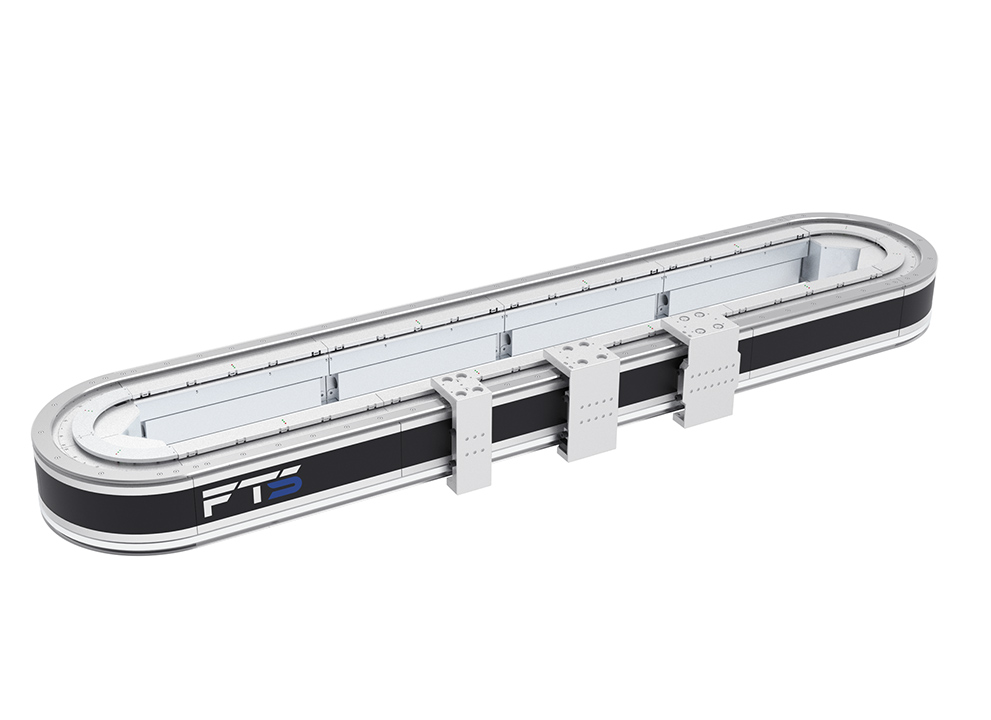
Buyers usually start with a list of specs and then hit the same walls: unclear throughput needs, ambiguous warranties, and systems that don’t fit the line. I’ve seen this from the floor to the planning room, having advised assembly teams at OEMs and contract manufacturers for over a decade. A common mistake is treating material handling as an add-on instead of a core design decision — that’s where an intelligent conveyor system or a tailored linear transfer systems choice makes a decisive difference. I first noticed the same missteps discussed here at a booth conversation during Hannover Messe, which makes the practical trade-offs easier to picture.
Typical technical problems and clear fixes
Problem-driven solutions work best. Below are common problems you’ll meet and straightforward ways to address them.- Throughput mismatch: Suppliers quote peak cycle times without accounting for loading/unloading delays. Fix: define end-to-end takt time and test a representative sample run before purchase.- Mis-specified payload/stiffness: Lightweight specs fail once fixtures, sensors, and clamps add mass. Fix: share the full fixture weight and acceleration profiles during RFQ.- Control protocol clashes: Buyer wants Profinet but the supplier ships EtherCAT-only controls. Fix: require protocol compatibility in the contract; ask for a fieldbus gateway in proposals.- Maintenance inaccessibility: Fasteners tucked behind panels slow downtime. Fix: insist on maintenance mockups or photos of access points.- Imbalanced spare parts plan: No spares for critical bearings or servo drives. Fix: negotiate a spare-kit and lead-time clause.
What to ask suppliers — a compact checklist
Bring this to RFQs and meetings. It keeps conversations practical and prevents surprises.- Demonstration: Can you run my part on this line for at least one hour?- Acceptance test: Define pass/fail criteria and acceptable scrap rates.- Integration support: On-site commissioning days and remote support hours.- Documentation: Electrical drawings, PLC code comments, and maintenance manuals.- Spare parts: List of recommended spares and their lead times.- Compliance: Ask for CE/UL reports or the relevant safety record.- Change control: Procedure for scope changes and their cost implications.I suggest writing these into the technical appendix rather than leaving them as verbal assurances.
Common procurement and contractual pitfalls
Contracts often hide problems in vague language. Don’t accept “industry standard” without a definition. Watch for:- Unclear warranty start: Is it from shipment or from acceptance testing?- Acceptance left open-ended: Set a firm window for FAT/SAT.- Missing performance guarantees: Require minimum uptime and remedial options.- Service rates and travel: Define travel caps and response-time tiers.- IP and software ownership: Clarify who owns PLC logic and HMI screens if you plan to change suppliers later.

Alternatives and trade-offs — quick comparisons
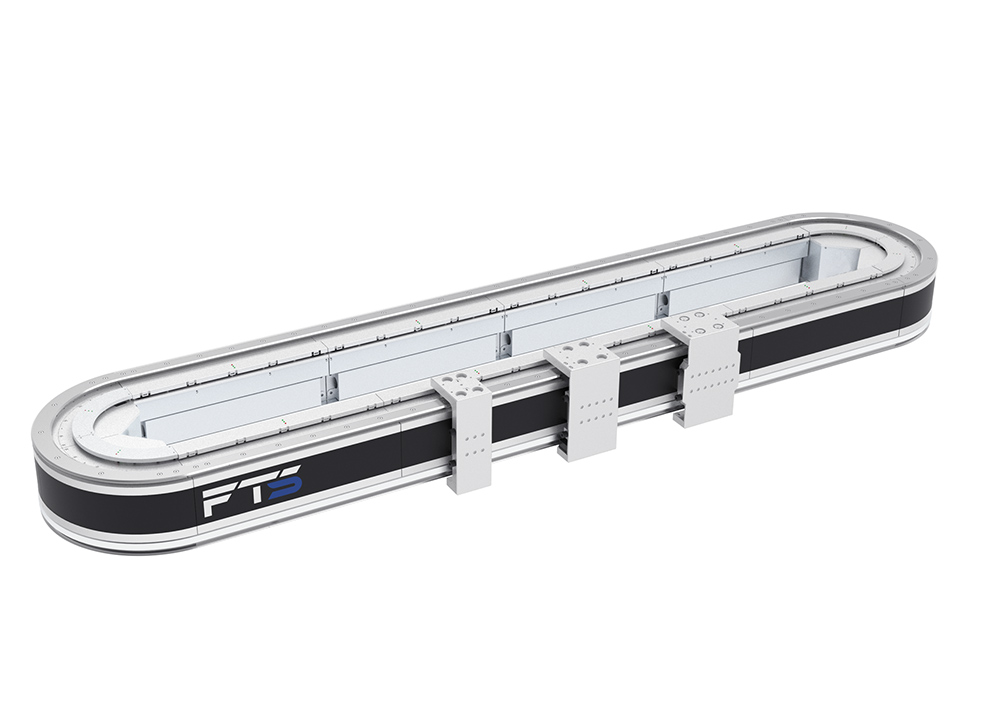
Choosing between linear transfer systems, rotary indexing, and continuous conveyors is about the trade-offs:- Linear transfer systems: Best for long, modular lines where part orientation and staged operations matter. They excel at flexible station layouts but take more floor space.- Rotary indexing: Compact and excellent for fixed-cycle high-repeat processes. Less flexible if you expect model changes.- Continuous conveyors: Simple and cheap for low-tolerance flows but poor where precise indexing is necessary.Pick the option that matches change-rate and part handling complexity, not the cheapest initial quote.
How to test vendor claims without getting lost in specs
Be concrete. Ask for a short trial with your parts, require video of the intended cycle at full speed, and insist on a written cycle-time breakdown that includes load/unload. If a supplier balks at a customer trial, see it as a red flag. Trust grows from measurable outcomes, not slogans.
Final synthesis
Start by naming the problems you must solve: throughput, integration, maintainability, and clear acceptance. Use focused RFQs, insist on trial runs, and lock down acceptance and spare-part terms. My experience advising manufacturers shows that these straightforward steps cut procurement risk sharply, and they’re the same pragmatic steps companies turn to when they need a partner who understands line-level realities; FHS is often mentioned in those discussions as a practical, engineering-focused option.