
Introduction — A Question to Start
Have you ever waited at a charger and felt time slip away while your phone battery would have lasted longer? I see that scene a lot: drivers circling stations, glance after glance at the display. In many of those moments a dc ev charger sits idle or throttles power unpredictably, and that mismatch costs time and trust (and yes, a little patience).
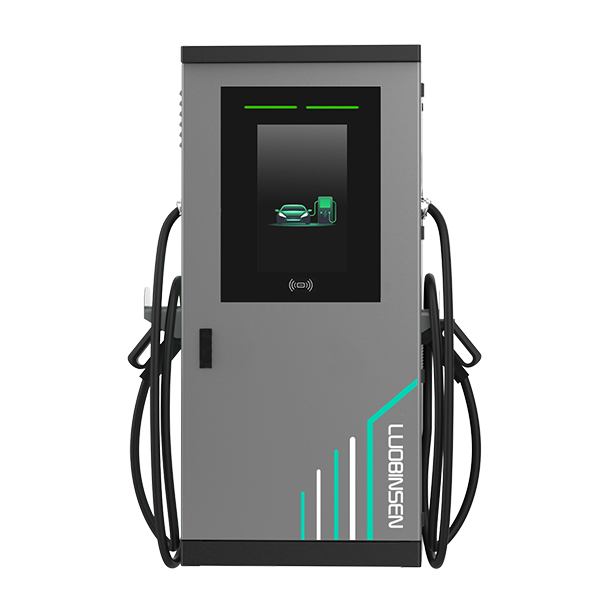
We have data showing public chargers hit peak use during commute windows and still underperform on uptime. So I ask: why do we accept slow, inconsistent charging when the tech should be better? I’ll walk through what I’ve learned, what actually fails, and where to look next—so you can judge options with less guesswork. Let’s dig in.
Deep Dive: Why Fast Charging Electric Car Stations Underperform
When I look at fast charging electric car stations, I see the same handful of hidden problems over and over. First, many designs treat peak power as a simple number to chase instead of a systems problem. Power converters run hot. Thermal management is underengineered. The DC bus gets stressed during rapid start-stop cycles. These are not academic faults; they cut availability and speed in the field.
Second, integration gaps exist between billing software, grid communication, and the charger control board. That means a station can be physically capable of 150 kW but will offer less during real use because of firmware, cooling limits, or weak grid handshake. Look, it’s simpler than you think: hardware can be solid, yet software and grid-side negotiation often limit the real experience. Add V2G planning or edge computing nodes into the mix and the complexity climbs—funny how that works, right? If we don’t match electronics (power electronics, converters) with smart control, the user sees slow fills and longer queues.
What are drivers actually hitting?
Drivers hit three pain points repeatedly: unreliable uptime, billing headaches, and mismatched power delivery. Uptime falls when thermal events or failed modules force derating. Billing fails when sessions aren’t reconciled cleanly. Mismatched delivery happens with poor current-limiting logic. I’ve sat with station operators who say the tech is fine—until it isn’t. That mismatch is where choices matter most.
Forward Look: Principles for Next-Gen DC Charging
Now, let’s move forward. I want to explain the core principles that will actually improve things. First principle: think in layers. Start with robust power converters and thermal design. Then add resilient control firmware that keeps current delivery stable under transients. Finally, stitch in grid-aware communication so the charger can negotiate real-time limits without surprising a user. When a dc ev charger manufacturer integrates those layers thoughtfully, uptime and user trust rise sharply.
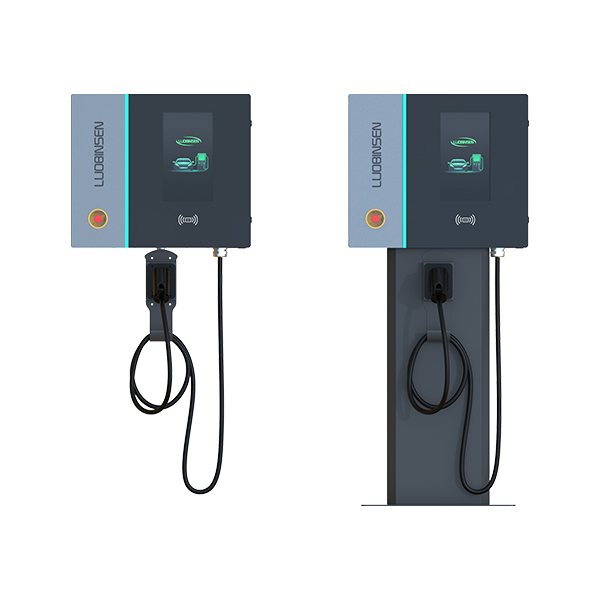
Second principle: design for real use, not lab tests. That means testing with mixed loads, partial cooling, and intermittent network conditions. It’s easy to chase peak kW figures on spec sheets. It’s harder to ensure a unit delivers that power reliably over months of use and seasonal heat. I prefer vendors who publish real-world degradation data and those who respond to field issues quickly—because we need less drama at the curb, not more. — and yes, we should demand transparency from suppliers.
What’s Next for buyers and planners?
For planners and fleet buyers, the choice now should be about endurance, not just headline speed. Evaluate how vendors handle thermal runaway scenarios, firmware rollbacks, and remote diagnostics. Ask for live reliability logs. Expect clear answers. I’ve learned to press for those details in every procurement conversation; it separates talk from action.
Closing — How to Evaluate and Choose
Here are three practical metrics I use when I’m vetting solutions: 1) Effective sustained power under real conditions (not peak short-burst kW), 2) Mean time between failures (MTBF) for key modules like converters and cooling systems, and 3) Quality of integration—how the charger speaks to grid systems and payment platforms. Measure these, and you’ll see differences that matter to daily users.
In short, don’t be fooled by big numbers on a spec sheet. Expect resilience, clear maintenance pathways, and honest performance data. If a dc ev charger manufacturer can show field-proven cases with strong thermal design and solid control logic, I pay attention. I hope this helps you ask the right questions and choose chargers that actually make life easier for drivers—because that’s the whole point. Luobisnen