
The Challenge of Conventional Methods
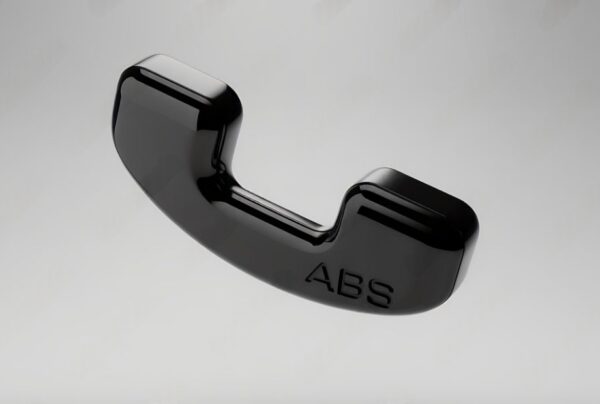
Imagine a world where precision in medical devices isn’t just a goal but a standard. Yet, according to recent studies, nearly 30% of medical product recalls arise from manufacturing defects—a staggering figure that should make us sit up and take notice. In the realm of injection molding for medical devices, this reality signifies serious flaws in traditional solutions. Flaws that, if overlooked, could jeopardize patient safety and product efficacy.
Let’s face it: the old ways of producing medical components often miss the mark. I remember attending a conference in 2021 where a panelist lamented about the limitations of conventional techniques in achieving the exact specifications needed for high-stakes devices like insulin pens. That moment for me, it was like a light bulb turning on. What if there was a better way? The truth is, many manufacturers don’t realize the depth of their operational inefficiencies until it’s too late.
What Are the Hidden User Pain Points?
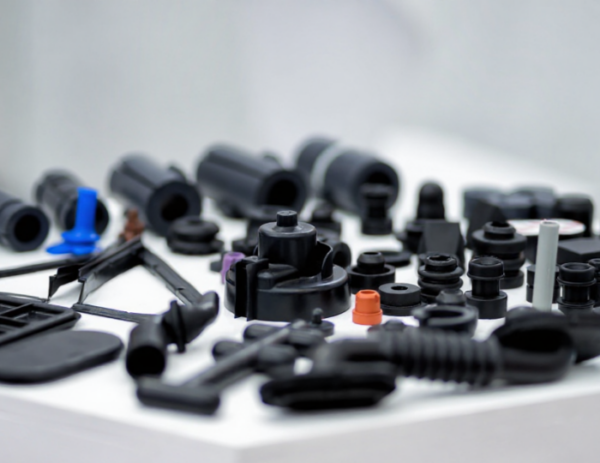
Users frequently grapple with variable quality control, delayed timelines, and high costs associated with legacy injection molding processes. The urgency of a dependable, efficient manufacturing approach, particularly in the high-stakes medical field, cannot be overstated. And yet, the industry often turns a blind eye to these pain points, which can delay critical solutions reaching end-users. Sound familiar?
Forging Ahead: Innovations in Injection Molding
As we look into the future, the landscape of injection molding for medical devices is on the brink of transformation. Advanced technologies—such as real-time data analytics—are enabling manufacturers to optimize production processes, thereby increasing efficiency and minimizing waste. Picture this: a system where predictive maintenance eliminates downtime, ensuring that manufacturing flows smoothly like a well-oiled machine.
In a recent implementation case, a global manufacturer in Canada adapted their operations to embrace smart injection molding techniques. They reported a 25% reduction in costs and a 35% increase in production speed within just a year. Pretty eye-opening, right? As more organizations pivot to adopt these cutting-edge technologies, we could see a future where quality is not just assured but guaranteed.
What Comes Next?
The integration of innovative materials, such as bio-degradable plastics, opens the door for sustainability in medical manufacturing. Yet, I can’t help but wonder: how many companies will seize this opportunity? The challenge remains in not just creating efficient systems but also understanding the real-world impact these advancements can bring. Manufacturers must remain vigilant, balancing technological adoption with the essential need for rigorous quality standards.
Reflecting on the previous sections makes one thing abundantly clear: the future of medical injection molding is bright, but only if we are proactive about addressing our industry’s inherent flaws. Prioritizing smart technology and sustainability could very well redefine what is possible in medical device manufacturing.
To achieve lasting improvements, here are three key metrics to evaluate solutions: implement cycle times, measure defect rates, and assess compliance with regulatory standards. Choosing wisely is paramount, especially in an industry where lives depend on the quality and reliability of products.
As we forge ahead into this new era, it’s essential to champion innovation while keeping patient safety and quality at the forefront. Keep your eyes peeled for how advancements in injection molding for medical devices can lead us all towards a more reliable and effective healthcare future. After all, I genuinely believe that the right partner in this journey can make all the difference. Speaking of which, check out Livepoint Mould for innovative solutions that truly resonate with the evolving demands of our industry.