
Introduction: The Room Between Silence and Signal
Meetings fail when signals falter. A paperless conference system now sits at the center of that stage. Picture a dim hall before the keynote: screens breathing pale light, a hush that feels older than the building itself, and the quiet fear that the first mic will crackle at the wrong second. In spaces like this, data is not just charts—it is the pulse of the network, the drift of packets, the rise and fall of RF noise. In a 500‑seat venue, the air is crowded with phones and wearables; they stir the airwaves like crows at dusk. Sub‑second delays break the flow; a glitch stalls a vote; a drop ruins trust—funny how that works, right?
Here lies the question: can we shape the room so the human voice is always first, and the systems remain unseen? (Even as they guard every edge.) We will open the paneling, set the dials to truth, and name what breaks before it breaks. Step with me—into the light between the shadows.
Hidden Frictions in Wireless Workflows
Where Do Frictions Hide?
The promise of a wireless conference system is clean tables, fast setup, and freedom to move. Yet users report a subtler pain. They feel the room’s mood change when the network fights itself. This is not superstition; it is RF spectrum planning colliding with human habits. Chairs drag. People stand. Devices roam. Each move shifts the latency budget. Meanwhile, the audio path lives or dies on the audio DSP chain and QoS rules. When these fail, people notice the symptom, not the root. A cough of interference. A lost hand‑raise. A vote delayed by half a beat. Look, it’s simpler than you think—and also not.
Traditional fixes stack up more gear and more steps: extra access points, manual channel maps, heavier encryption, redundant links. Complexity grows (and with it, failure modes). Operators juggle roaming policies and mic gain while also running slides, timers, and hybrid streams. Hidden load builds in the mind. The system asks too much. It wants eyes on dashboards when eyes should watch speakers. Add in busy venues—thin walls of RF, neighboring halls, touring rigs—and the floor tilts further. Edge computing nodes can help, but only if they reduce handoffs, not add to them. Pain, stripped bare, is this: every layer meant to protect the voice can also muffle it.
Beyond the Tether: Principles Shaping the Next Wave
What’s Next
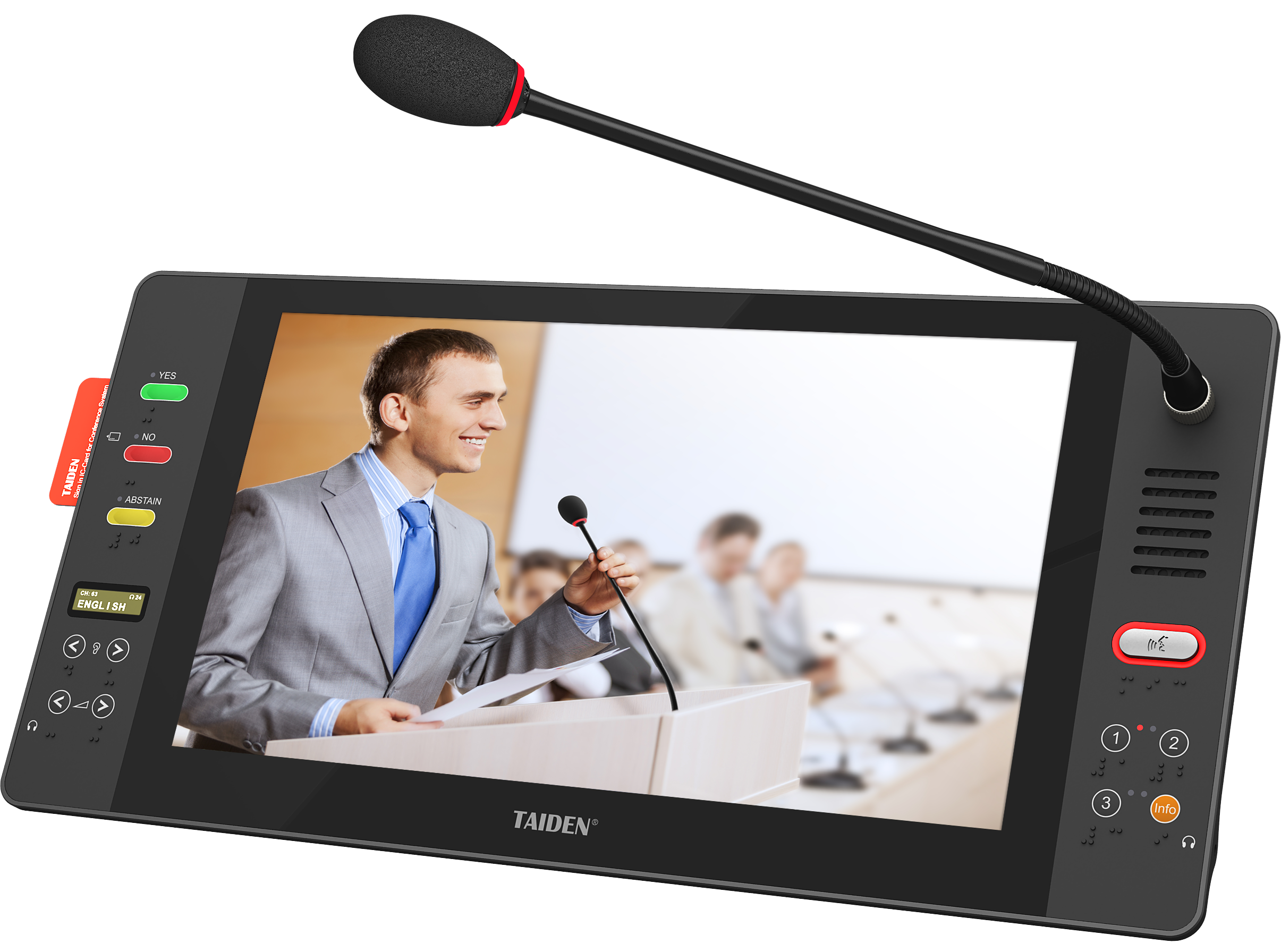
Moving forward means choosing principles, not just parts. Start with adaptive radio that senses crowds and shifts lanes. Beamforming antennas steer energy to who speaks, not to empty seats. Packet paths learn, then shorten—mesh when needed, direct when urgent. Put intelligence close to mouths: edge computing nodes near the dais trim jitter before it blooms. Audio DSP runs scene presets that bind mic gain, echo control, and noise gates to agenda slots. And the interface? Let it vanish into a microphone with context—a microphone with screen that shows votes, timers, names, and prompts, so eyes need not dart to a far wall. The power story matters too: clean rails, quiet power converters, and fast failover. When the mains flicker, the signal should not. Semi‑formal as this sounds, the aim is human: fewer knobs, fewer doubts—more voice.
Comparatively, the old stack layered control on top of chaos. The new stack dissolves chaos at the edge. It pairs interference mitigation with policy—QoS that follows the talker, not the room. It tags flows (soft but precise), protects priority packets, and mutes the rest. In practice, this means fewer channel hunts, shorter wake times, and calmer operators. It reframes risk too: test under stress, not in silence; observe the RF noise floor with people moving, not chairs sleeping. From the earlier pain points—roaming drift, cognitive overload, brittle handoffs—we learn one lesson: resiliency must feel boring. Advisory close, then: choose by three measures. 1) End‑to‑end latency under RF crowding at 95th percentile, not the average. 2) intelligibility at low SNR with live beamforming and echo control active. 3) Operational load: steps to recover from a failed node in under 30 seconds—because time is the only true budget we spend. In the end, the voice should cross the room like a candle in a vault—steady, plain, and ready. TAIDEN