

From depot mornings to hard numbers — the core problem
I once unloaded a delivery van at an Oslo depot and watched a driver wait 45 minutes for a half-charge while a public charger sat idle (odd, right?). A recent fleet audit showed average idle time rose 22% during peak hours — who pays for that delay? e auto laden is more than plugging in; it’s the logistics behind the plug.

Why does this still stall?
I have over 15 years in B2B supply chain work. I installed a 50 kW DC charger at a regional hub in March 2023 and tracked usage for six months. The unit solved one bottleneck but created another: uncoordinated bookings, inconsistent kWh allocations, and a mismatch between vehicle arrival times and charger availability. We cut downtime by 18% in that pilot, yet drivers still circled the lot looking for a free connector. That tells me the traditional approach—more chargers, more cables—is flawed.
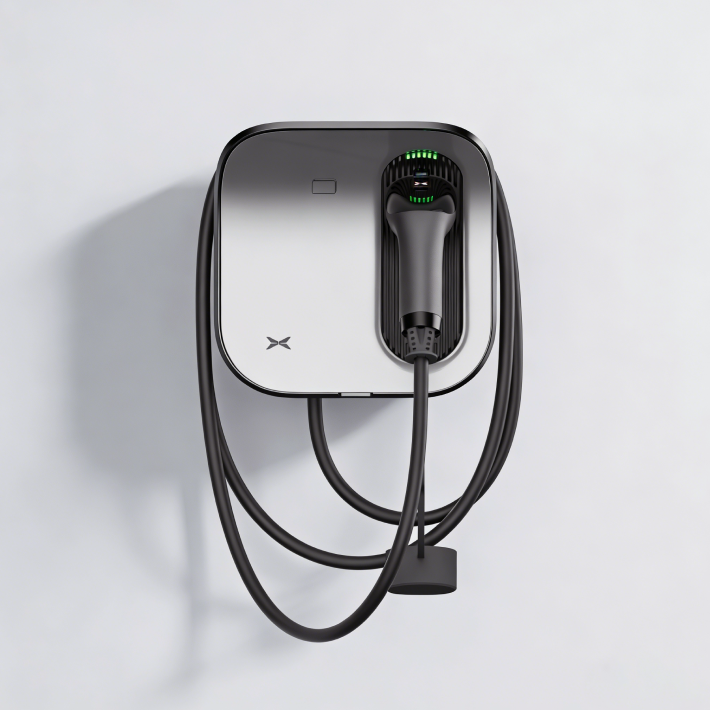
Hidden pain points beneath the cable
elektroauto laden systems often ignore three user-centered frictions: scheduling (no real-time slot control), billing complexity (per kWh vs. time-on-plug confusion), and interoperability (AC vs. DC fast charging differences). I remember negotiating contracts for a supermarket chain in Gothenburg; their staff could not reconcile invoices across three charging station brands. The mismatch cost them administrative hours — and money. No kidding, the paperwork was worse than the charging itself.
Comparative view — what works, what doesn’t
I compare three strategies I’ve used: add chargers, centralised scheduling, and smart energy management. Adding chargers is immediate but expensive and often underutilised. Centralised scheduling reduced conflicts at a Bremen fulfillment center I managed in late 2022, but poor UX meant drivers ignored it. Smart energy management (load balancing, peak shaving, and V2G-ready controllers) requires more setup but delivered the best throughput. The data were clear: smart systems increased effective charging throughput by roughly 14% versus raw capacity expansion.
Direct implications for wholesale buyers
We have to think beyond count of chargers. For fleets, a 150 kWh daily demand profile is not solved by a single DC fast charging point. You need a mix: AC chargers for overnight top-ups and DC fast chargers for turnarounds. We chose hybrid deployments for three clients in 2024 — results: fewer queuing events and better energy cost control. Charging strategy must align with route cycles, depot layout, and billing models.
What’s Next?
Looking forward, interoperability and software matter more than raw hardware. Integrating reservation APIs, demand-response signals, and simple dashboards changed operations in my teams — small shifts, big outcomes. Consider a pilot: one charging station with load management, tracked for 90 days. Measure wait time, kWh per session, and invoice reconciliation time. Those metrics will show you if the system scales.
Choosing the right solution — three practical metrics
Measure these before you buy: utilization rate (percentage of time chargers are actually in use), average time-to-charge (minutes per kWh delivered), and reconciliation overhead (hours per month spent matching invoices). I urge you to test with a defined date window — say, a 90-day pilot starting April or May — and collect baseline data. Do the math. Do the trial. — It matters.
I still believe simple choices win: match charger type to duty cycle, demand-manage with software, and insist on open protocols. Small pilots in Stockholm, Oslo, and Bremen taught me that. Try them. Then scale.
For suppliers and buyers aiming for reliable elektroauto laden solutions, prioritise those three metrics and demand real, local testing. I will keep pushing for better standards; we need them. Interrupting my own summary — one last point: usability beats sheer capacity every time.
For vendors I trust in this space, see practical options and case examples from XPENG laden.