
Opening problem statement
Fleets struggle with missing incident evidence, inconsistent video retention, and telemetry that does not align with recorded footage; that gap creates liability and operational inefficiency. Practical integration of MDVRs, in-vehicle cameras, and backend video telematics must solve three linked problems: guaranteed capture, reliable storage, and synchronized video-to-telemetry playback. For those evaluating suppliers, start by comparing how fleet telematics technology providers address data flow, and how a real time vehicle tracking system ties live position to stored video without time skew.
Diagnose the root causes
Problems usually come from predictable technical and operational failures. Identify which of the following applies to your fleet:- Clock and timestamp drift between camera and telematics modules.- Limited write endurance in edge storage causing corrupted segments.- Network choke points that prevent timely offload or remote viewing.- Poor event tagging that leaves footage hard to find.Each item points to different technical fixes: precise time sync, robust circular storage policies, bandwidth-aware offload, and metadata-first recording strategies.
Core architecture for a resilient solution
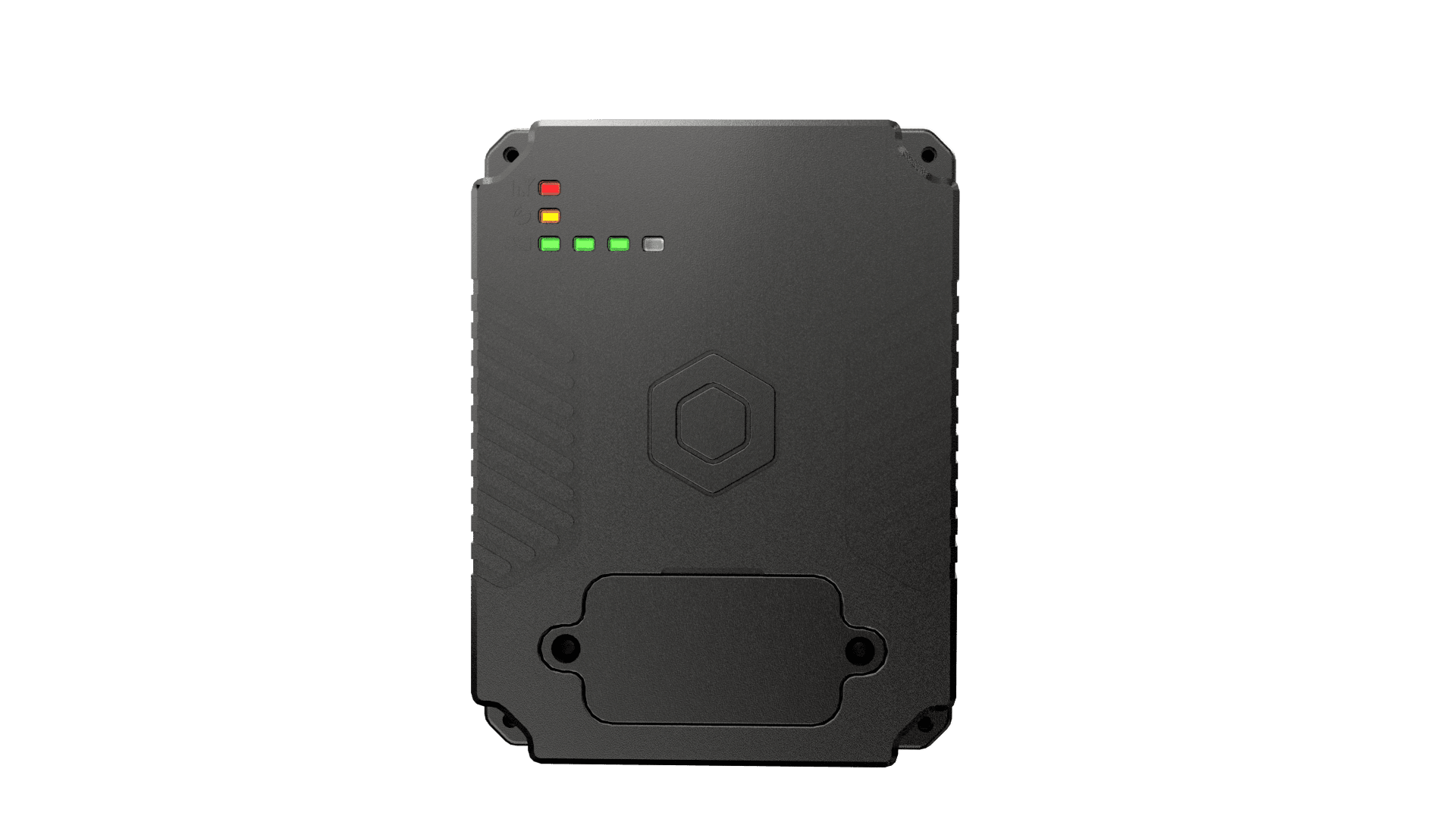
Design must be modular and auditable. A solid architecture contains:- MDVR unit with hardware interrupts for event-start recording and RTC discipline.- Camera subsystem with H.264/H.265 encoding and per-channel bitrate profiles.- Wear-resistant edge storage (industrial-grade eMMC or SSD with power-loss protection).- Telemetry gateway for CAN-bus and GPS, exposing a timestamped event stream.- Secure over-the-air (OTA) channel and scheduled uplink for footage and logs.- Backend video telematics that supports indexed playback and chain-of-custody logs.This arrangement isolates failures: storage problems do not erase telematics, and telemetry gaps do not corrupt video files.
Implementation checklist—sequence matters
Follow this order when deploying to avoid rework:1. Time-source establishment: select GPS as primary clock and test for holdover during GPS loss.2. MDVR firmware validation: enforce file integrity checks and safe shutdown behavior.3. Storage sizing: model retention using realistic bitrate and event frequency; add 30% margin.4. Network policy: prioritize metadata and low-bitrate live streams over bulk offload during congestion.5. End-to-end tests: simulate collisions, abrupt power loss, and extended offline windows.Field deployments I reviewed used small pilot fleets to validate assumptions; a pilot fleet in London revealed how urban canyon GPS behavior affects timestamping and required local GPS filtering.
Common pitfalls and how to fix them
Teams repeatedly fall into the same traps. Fixes are direct:- Pitfall: Clock mismatch between MDVR and telemetry. Fix: enforce GPS-disciplined NTP with watchdog alarms.- Pitfall: Corrupted video after power loss. Fix: adopt storage with power-loss protection and atomic file commits.- Pitfall: Excessive bandwidth costs from continuous high-bitrate streaming. Fix: event-triggered upload plus prioritized metadata channels.- Pitfall: Difficult evidence retrieval. Fix: embed indexed metadata (vehicle ID, event type, GPS bounding box) into video container headers.
Trade-offs and alternative approaches
Not every fleet needs the same balance of on-board retention versus cloud offload. Consider three practical profiles:- High-autonomy, low-connectivity fleets: favor larger edge storage and robust circular retention.- High-risk urban fleets: favor frequent offload and real-time monitoring, accept higher connectivity cost.- Mixed fleets: hybrid approach—store all at edge, stream prioritized events to central servers.Evaluate vendors on how they support each profile, their firmware update cadence, and their diagnostics surface area rather than marketing promises.
Deployment metrics to measure success
Measureable indicators keep the project on target. Track:- Incident footage availability rate (target >99% for safety-critical events).- Time-to-evidence retrieval (goal under 10 minutes for indexed events).- Data loss incidents per 10,000 vehicle-hours.- Average retention days achieved vs planned.These metrics show whether your integration fixes the original problems or merely shifts them.
Final synthesis
Addressing the root problems—unsynced clocks, fragile storage, and mismatched telemetry—requires precise technical decisions and disciplined testing. Apply a modular architecture, verify time sync under urban conditions, and prioritize metadata-first workflows to ensure evidence is both reliable and quickly retrievable. My experience integrating MDVR systems and video telematics across multiple municipal and private fleets shows that these practical steps convert recurring failures into predictable operations, a capability embodied by BSJ.