
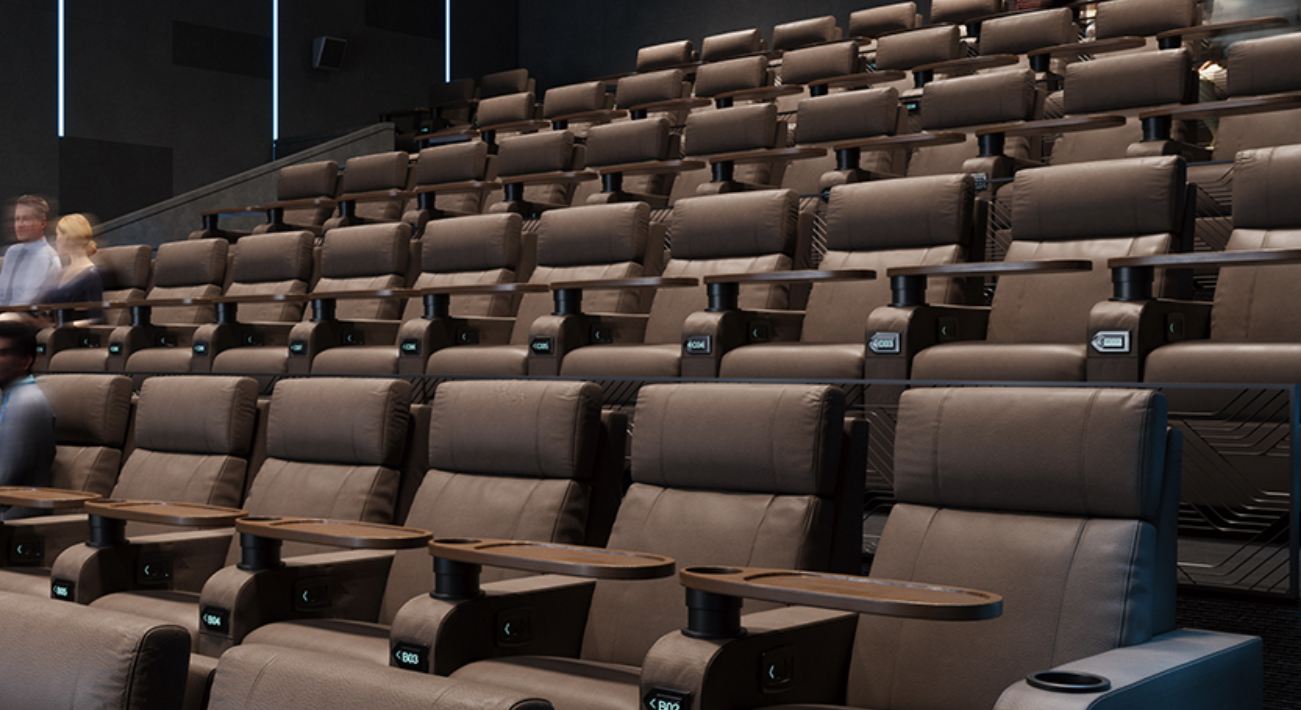
Comparing the roles: waiting areas versus performance auditoria
Public spaces often treat seating as a backdrop, yet waiting-area seating and theatre seating play distinct but complementary roles in shaping user experience. Waiting areas condition first impressions and circulation; auditoria demand precise sightline, acoustic performance and comfort for long sessions. When designers weigh ergonomics against aesthetic, the waiting-area solution frequently sets the tone for an entire venue, from foyer to auditorium entrance.
Practical priorities that divide and connect the two types
In a foyer you prioritise quick turnover, durable upholstery and straightforward cleaning regimes. Inside the auditorium priorities shift to sightline, folding mechanism reliability and optimal aisle width for evacuation. Yet material choices, finish details and a consistent visual language bind both spaces. A thoughtful waiting-area scheme can reduce crowding, smooth ingress, and improve wayfinding, which in turn eases pressure on the auditorium layout during peak shows — a practical economy many venues overlook.
Lessons from real venues and maker experience
Look at Johannesburg’s Market Theatre or Cape Town’s Artscape — real-world anchors that show how front-of-house seating affects audience flow and perception. Operators who consulted with an experienced theatre seating manufacturer reported fewer complaints about cramped foyers and faster turnarounds between performances. This is not theoretical: designers and manufacturers who specify fire retardant fabrics, robust cantilever frames and tested folding mechanisms reduce maintenance costs and prolong usable life.
Comparative costs: upfront spend versus lifecycle value
Investing more in modular waiting-area benches and chairs often buys better durability and easier repairs. The extra outlay for replaceable upholstery panels or improved ergonomic contours pays off over years of high occupancy. Compare total cost of ownership — not just purchase price — and the math shifts. Maintenance intervals lengthen, acoustic treatments remain effective because people settle where they should, and refurbishment cycles align rather than conflict with auditorium upgrades.
Design tactics that bridge function and brand
Use a limited palette, consistent seat heights and coordinated finishes so waiting areas read as part of a venue’s narrative. Prioritise sightline transitions: low back seating that preserves wayfinding; clear aisle width that respects accessibility; and seating clusters that allow small groups to linger without blocking traffic. Small technical choices—foam density, frame geometry, anchoring options—make a big difference to perceived quality and durability.
Common mistakes and how to avoid them
Design teams often under-invest in circulation analysis or pick trendy upholstery that fails early. They forget acoustic performance in adjacent spaces — loud corridors bleed into an auditorium. Invest in a short programme of user observation and simple load testing before final procurement. — That quick empirical step reveals pinch-points and clarifies which seating spec truly matters.
Three golden rules for evaluating public seating solutions
1. Comfort vs. throughput: measure expected dwell time and choose ergonomics accordingly; short waits favour firmer, easy-clean seating while long dwell needs true ergonomic support and higher-density foam.
2. Maintainability metric: prefer modular components and standardised upholstery panels to cut downtime and refurbishment cost; factor in replacement lead times and onsite repairability.
3. Safety & circulation score: validate aisle width, anchoring and sightlines against real occupancy scenarios so evacuation flow and crowding are resolved in practice, not just on paper.
All of this points to a simple conclusion: the waiting area is not secondary. It’s a first-line engineering decision that shapes acoustics, sightlines and audience behaviour, and when done well it reduces stress on auditorium systems. For venues seeking proven solutions, collaboration with experienced designers and manufacturers like leadcom seating turns pragmatic choices into lasting value. — a small detail, big outcome.