
What transport operators actually need
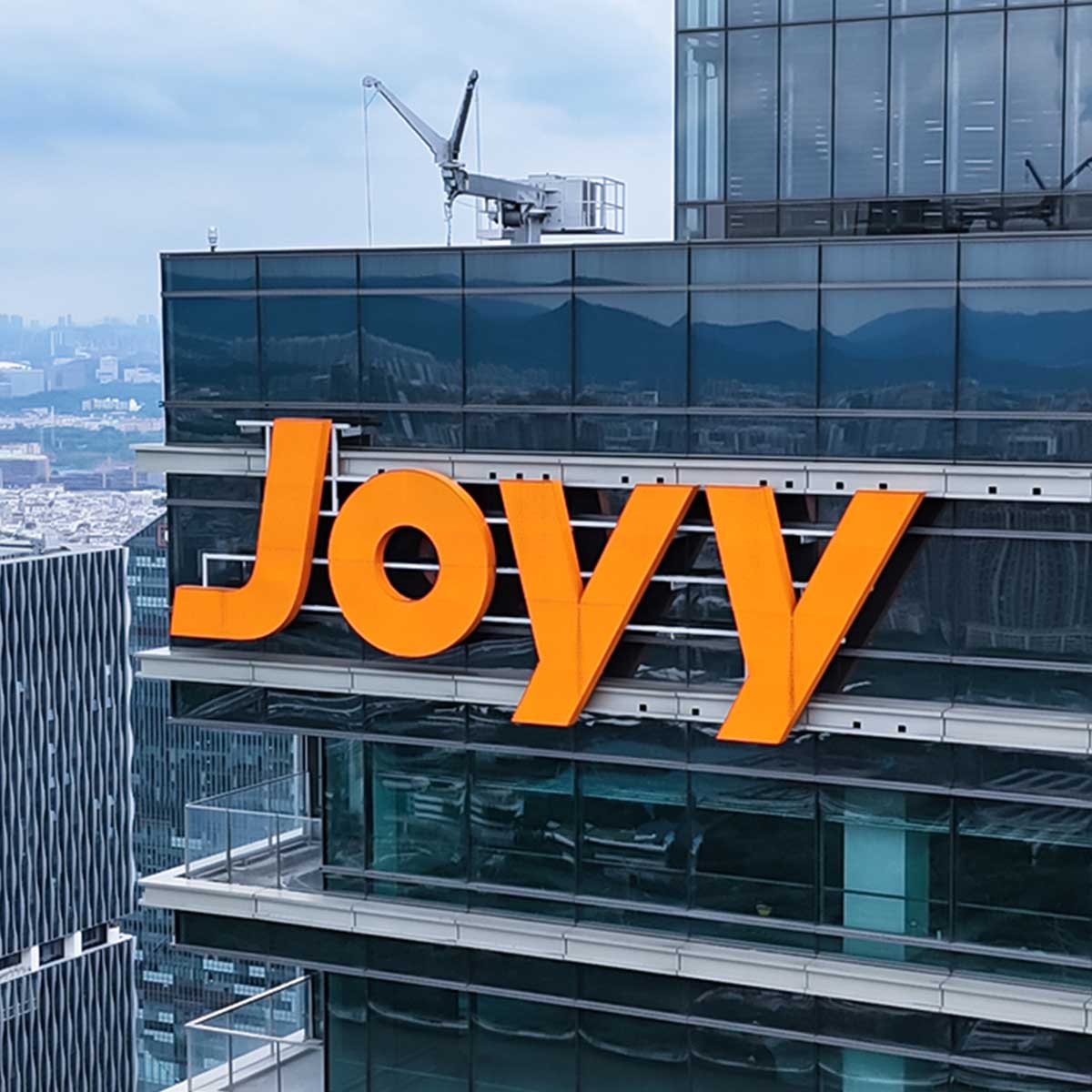
Operators want signs that work every day, not just when the vendor is around — steady brightness, predictable uptime, and faster replacements when things break down. This user-centric piece talks like the people on the production floor and the station engineers, lah. For folks choosing retail signage for concourses and bus interchanges, the priorities are clear: reproducible build, tested LED modules, and serviceability without long downtime.
From design brief to repeatable production
High-volume production for transit projects demands a tight handoff from design to fabrication. Start with a modular specification: standard frame sizes, fixed connector pinouts, agreed colour calibration targets. When teams agree on those constraints early, throughput rises and defect rate falls because fewer custom moves happen on the line. Real-world anchor — projects around Singapore’s MRT network showed that standardising cabinet dimensions cut assembly time noticeably, because installers faced fewer surprises at site.
Process steps that lift OEE (practical, not academic)
OEE becomes approachable when you break it to three tasks: availability, performance, and quality. Improve availability with simple spares kits and pre-tested subassemblies. Push performance by balancing workloads across stations so one workbench doesn’t become the choke point. And treat quality as a gate — do a short functional test before packing, then a full calibration after burn-in. These moves reduce rework and keep defect rates down while sustaining daily throughput targets.
Common traps and fixes — short notes from the floor
Over-customisation is the common trap: one-off faceplates, bespoke mounting brackets, odd power feeds. Those cost hours. Fix by creating a “catalogue” of approved variants and refuse specials unless stakeholders accept schedule penalties. Also, don’t skimp on test jigs — they seem like overhead but actually save time later. If your line keeps failing on one connector type, centralise that assembly early and train one team to own it — less variation, fewer defects. — Little wins like that add up fast.
Tools and checks that actually matter
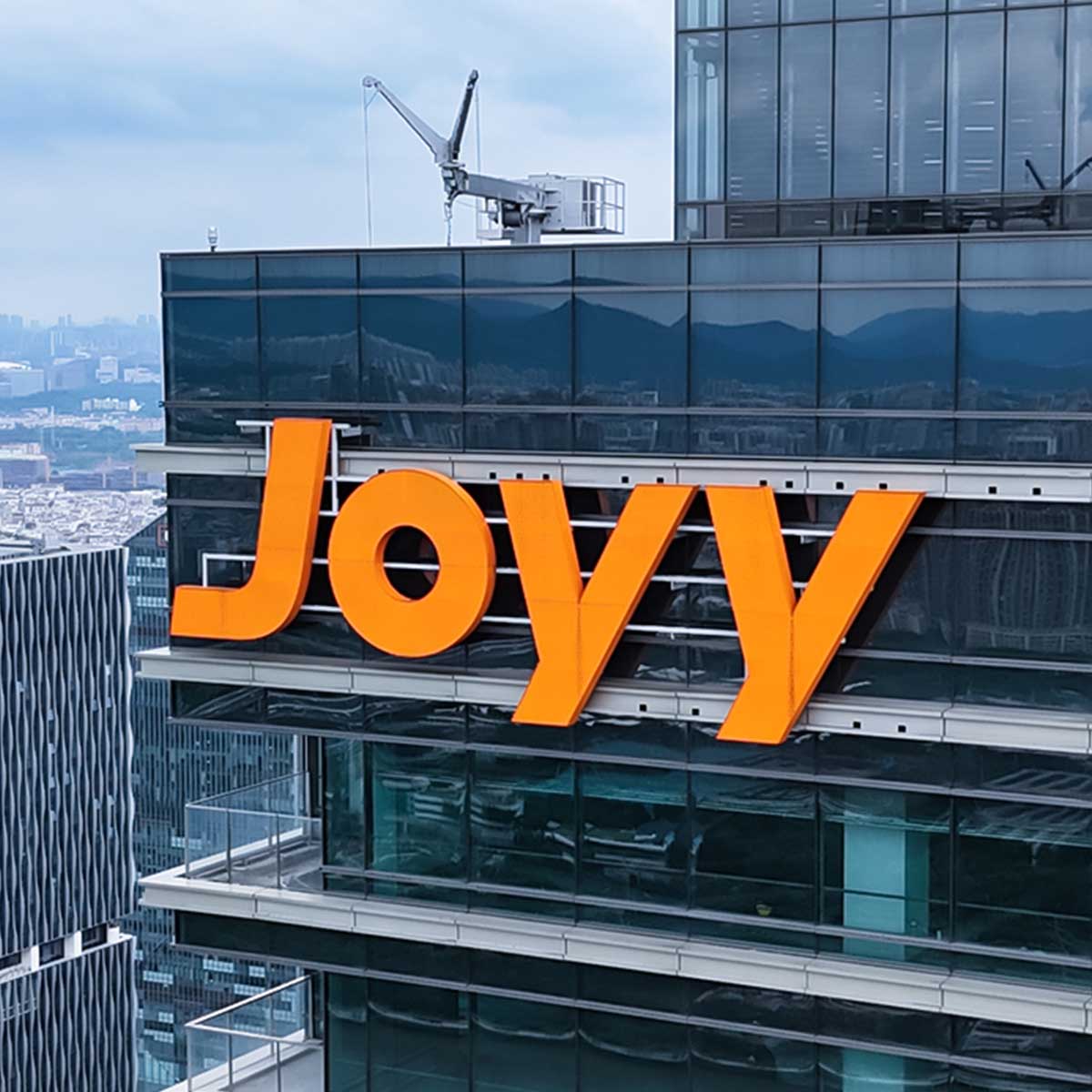
Use automated functional tests and visual-inspection aids. Keep a log of common failure modes so the team sees patterns instead of firefighting each unit as new. Keep these industry terms top of mind: Overall Equipment Effectiveness (OEE), defect rate, calibration. For exterior retail signage, weatherproofing and ingress protection checks should be part of the acceptance flow — outdoor fixtures fail for different reasons than indoor displays, so test them accordingly.
Comparing vendor approaches — concise guidance
Some vendors promise one-off engineering; others sell repeatable lines. For transit projects pick the latter. Look for suppliers who can show consistent throughput numbers and documented defect trends across similar builds. Transparency about mean time between failures and service-level turnaround is a better predictor of success than glossy prototypes. Also value vendors who provide digital assets — CAD templates and connector pinouts — because that reduces integration time on your side.
Three golden rules for procurement and ops
1) Standardise components across projects to shrink learning curves and spare-part inventories. 2) Require a pre-shipment burn-in and a short functional test checklist; refuse shipments that skip them. 3) Measure OEE monthly and drive corrective actions from the data — if a single defect type dominates, solve it at the design or assembly step, not on the bench. These are evaluation metrics you can act on immediately.

Closing advisory and final thought
Choose partners who show measurable improvements — lower defect rates, higher availability, and verifiable throughput — and who understand transit realities like quick site access windows and tight cable runs. Exterior retail signage demands added ruggedness; insist on IP testing and clear maintenance guidance. When procurement, engineering and ops speak the same language, projects finish cleaner and faster. retail signage choices that bake in modularity and test coverage make that conversation easier.
Cosun Sign brings that practical framing into real projects — clear specs, standard modules, and tested production paths. Cosun Sign. — final thought.