
Why your plant needs to cut power now
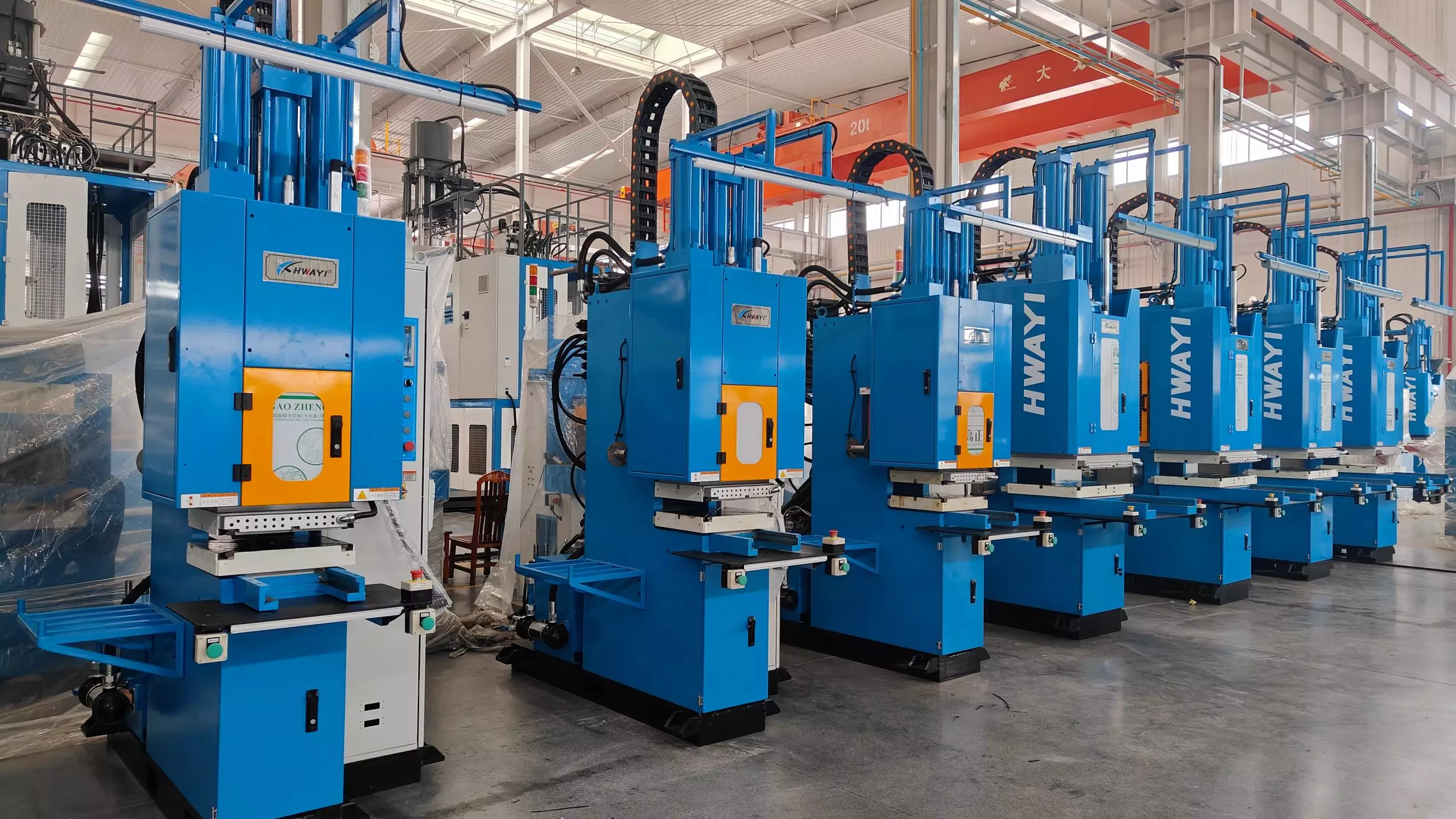
If you’re running LSR production in South Africa, the pressure’s real — load-shedding bites into shift plans and pushes your power bill up. Switching to an lsr molding machine that pairs servo-pump drive with precise control can reduce peak demand and stabilise cycles, which matters when the grid is unpredictable. Manufacturers who face interrupted power windows want predictable shot-to-shot performance and lower hydraulic losses; intelligent machines answer both needs while keeping silicone parts consistent.
What intelligent servo-pump machines actually do
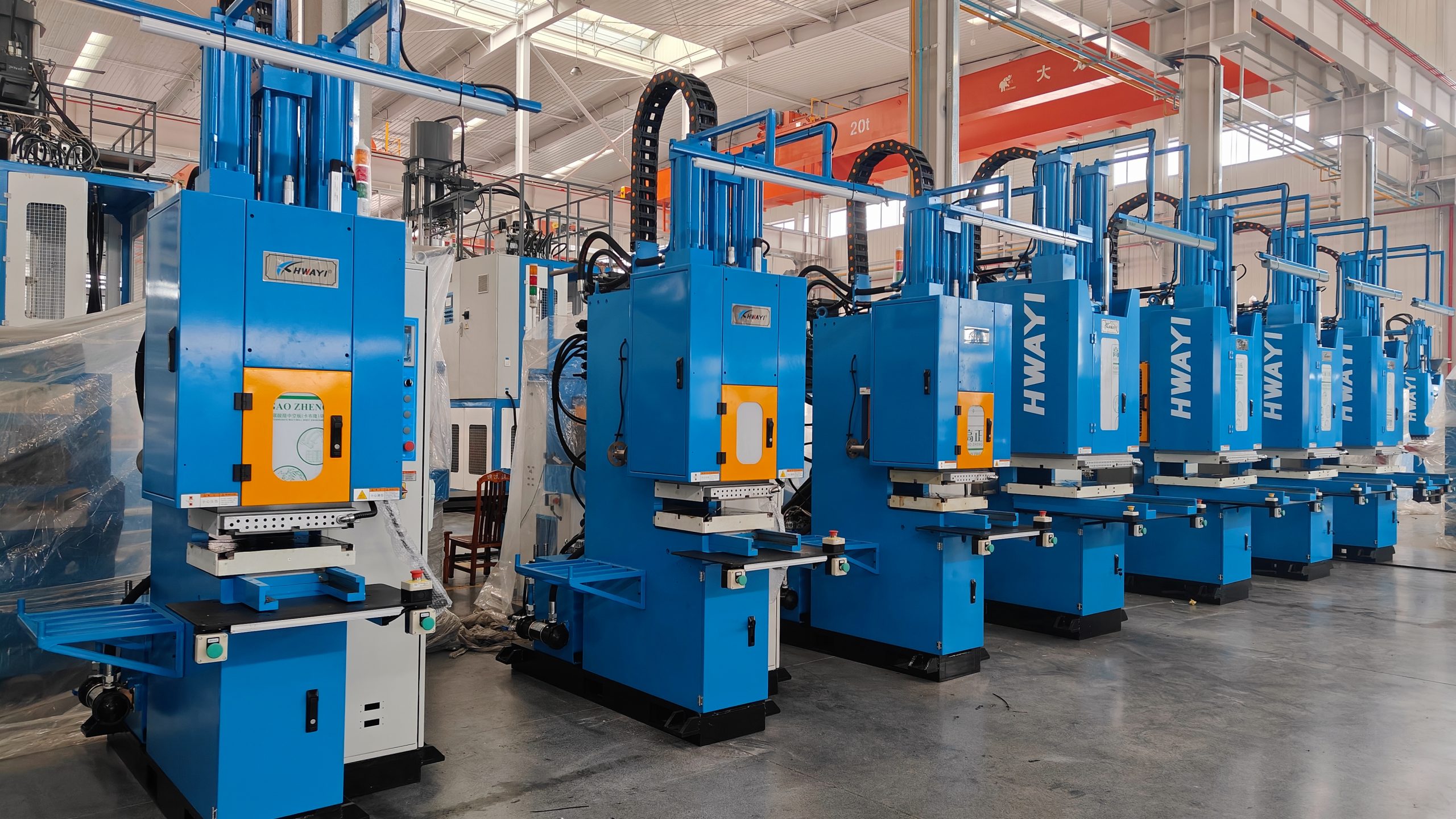
These systems swap a constant-flow hydraulic pump for a servo-driven pump that only uses energy when movement or pressure is required. That lowers idle draw, improves motor efficiency, and reduces heat in the hydraulic oil — so you spend less on cooling and filtration. The real benefit shows up in shorter cycle time variance and cleaner shot control for thin-walled LSR parts; servo control is tight on shot size and pressure. — It also means less noise and fewer sudden spikes on the factory supply, which keeps upstream breakers happier.
How this helps your team and the bottom line
Operators notice steadier fills and easier set-up. Maintenance teams see longer pump life and fewer oil changes because the hydraulic system isn’t working flat-out. Production managers get higher uptime and more predictable cycle time for forecasting and staffing. If you add automated dosing and temperature profiles, overall scrap drops — and that saves not only material but rework time. For teams making medical-grade or automotive LSR parts, the combination of servo control and repeatable injection profiles improves compliance and reduces variation during audits. Consider also the impact on energy demand charges: lower peak draw means measurable savings on monthly bills.
Common mistakes teams make when switching
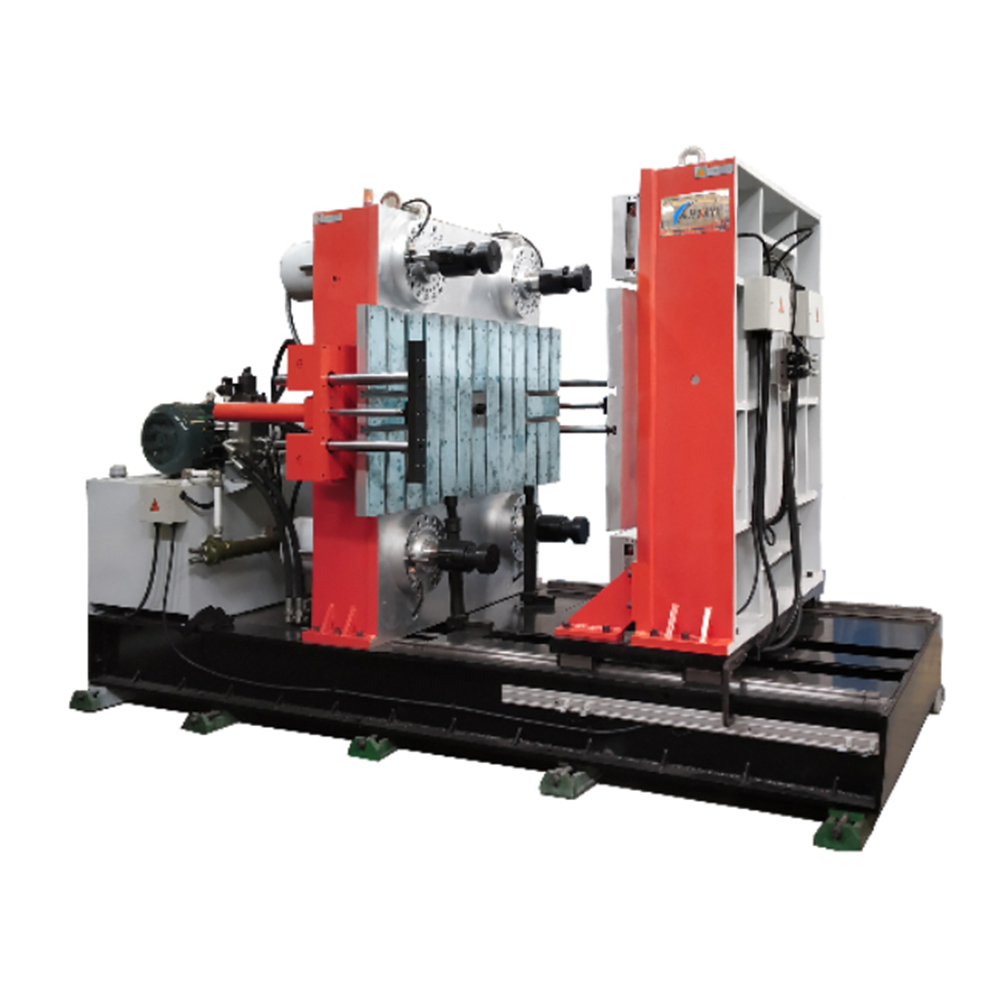
Many jump straight to spec sheets and buy the biggest machine they think they’ll need. Oversizing clamping force or ignoring cycle optimisation wastes energy. Skipping a proper commissioning phase — including harmonising mould venting, heater zones, and shot profile — defeats the servo’s advantages. Also avoid treating the machine as a standalone fix; run a short energy audit, update your PLC recipes, and train operators on new feedback screens so the servo features are actually used.
Comparing options: what to check before you buy
Focus on three practical checks: energy performance under realistic cycle profiles, integration with existing moulding lines, and service support in your region. Look for measured energy curves rather than vendor claims and verify how the controller handles variable shot sizes and multi-cavity moulds. If you need examples of proven systems, reading performance data on an lsr molding machine page and a dedicated lsr injection moulding machine spec sheet helps you compare real numbers for cycle time, servo draw, and recovery behaviour.
Golden rules for choosing the right solution
1) Measure actual cycle profiles: record pressure and power during a full run before and after implementation. Real data beats brochures. 2) Match control features to your parts: precision on shot size, pressure ramping, and temperature control is non-negotiable for tight-tolerance LSR work. 3) Verify local support and spare parts lead time — downtime kills the value of any energy savings. When these metrics align, you’ll see lower demand charges, more consistent quality, and fewer unscheduled stops.
Final take
Investing in servo-pump injection machinery pays off where power is scarce or costly — especially in markets coping with load-shedding. These machines cut waste, tighten process control, and give teams a calmer shift rhythm. The clear route to cleaner power use and steadier production points to suppliers who back performance with local service and solid energy data — which is precisely the kind of practical value HWAYI brings to the floor. Lean, quiet, proven.