
Introduction — A Pointed Question
Have we settled for complexity when clarity would speed us up? I ask this because too many shops still juggle processes by habit rather than design. CNC turning and milling machine operations sit at the center of that debate: they’re powerful, costly, and often underused. I’ve seen cycle times stretch because someone chose a long toolpath or ignored spindle tuning — and the data backs it up (a quick audit usually reveals 10–30% wasted motion). So how do we cut through assumptions and measure true productivity rather than just output? I’ll argue we need sharper metrics, better setup routines, and a willingness to swap legacy habits for smarter workflows. This isn’t academic for me — it’s practical, daily, and sometimes frustrating. — funny how that works, right? Next, I’ll dig into where current approaches fail and what pain points hide under neat production charts.

Part II — Where the Old Fixes Break Down
When I look at cnc milling and turning setups across shops, a pattern appears: teams patch symptoms instead of treating causes. Tool collision avoidance becomes a ritual of conservative offsets, which kills cycle time. Fixtures are clamped like promises—overbuilt, inflexible. And programmers hand-edit G-code as if that’s a sustainable control strategy. These flaws are not exotic; they live in spindle speed choices, sloppy toolpath selections, and weak chip evacuation plans. The hardware often can do more, yet we undercut it with slow changeovers and poor workholding. Look, it’s simpler than you think: improve fixturing, standardize tool libraries, and train operators on servo tuning. That alone can shave minutes off every part. I’ve watched a line reclaim hours per week after replacing ad-hoc stopgaps with documented setup sheets and small spend on better collets. Does that sound like plumbing? Maybe — but it’s the plumbing of precision manufacturing.
So what specifically fails?
Typically: inconsistent datum referencing, lack of repeatable tool offsets, and incomplete coolant management strategies. These hit quality and throughput, in that order.
Part III — Next Steps: Practical Upgrades and Metrics
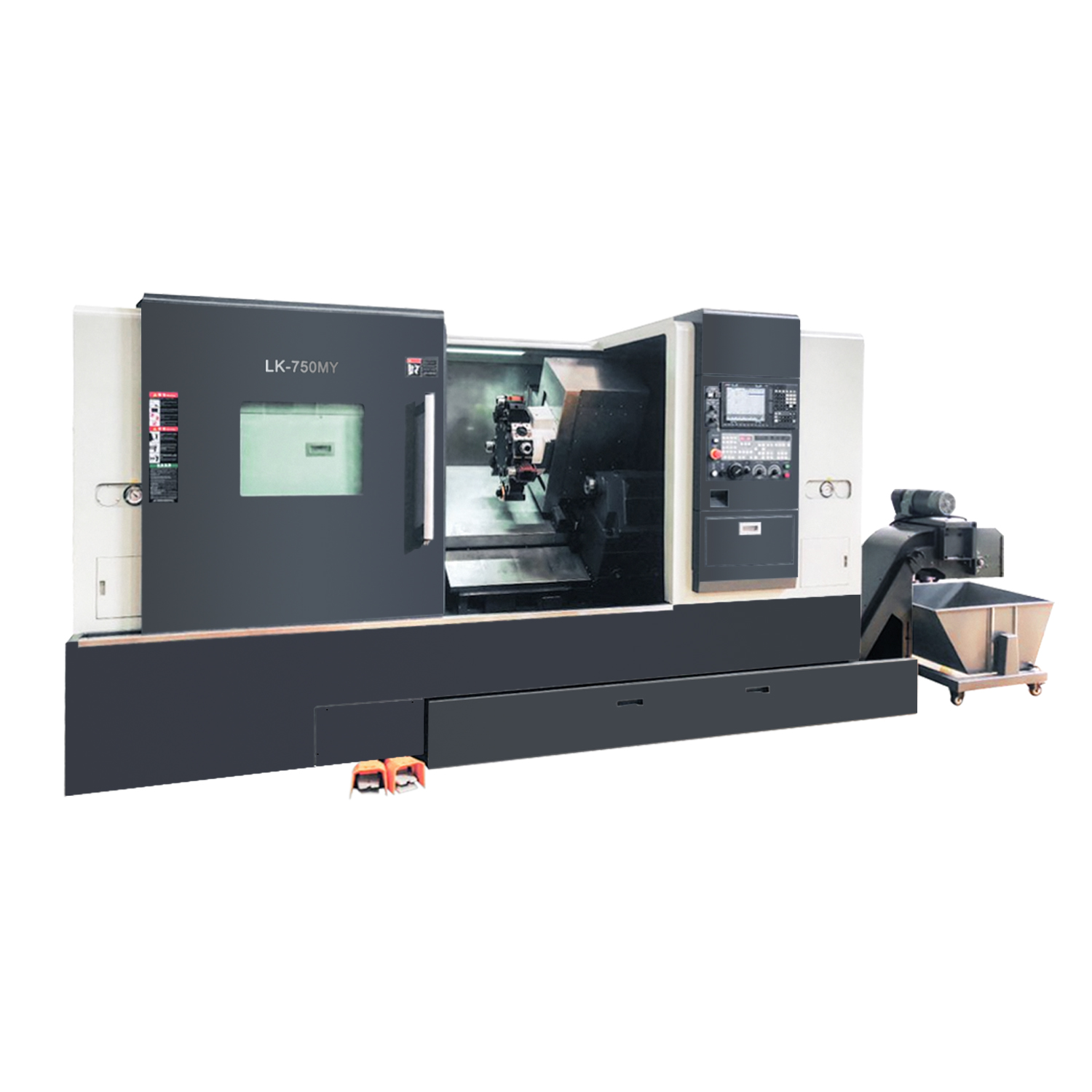
Moving forward, I favor pragmatic tech choices and clear evaluation criteria. For shops ready to modernize, consider principles like real-time tool-life tracking, integrated spindle monitoring, and modular fixturing. When I test upgrades on a line, I watch for true improvements: less idle time, more first-pass yield, and shorter setup. Case in point — a small retrofit of an automatic tool changer and optimized toolpath reduced non-cut time by nearly 20% on a batch run. I won’t pretend every retrofit is a slam dunk; you must map costs to cycle-time gains and defect reduction. (Measure, test, then scale.)
What’s Next?
Adopt a monitor-and-measure approach. Start small: instrument one cell, log spindle load, watch coolant flow, adjust feeds. Repeat. The goal is not tech for tech’s sake but predictable, measurable gains. Be ready to challenge your own assumptions — I had to do it in my shop too. — learning curve included.
Conclusion — How to Choose and Judge Progress
I’ll leave you with three concrete metrics to evaluate any upgrade: 1) Reduction in non-cut time (minutes saved per part), 2) First-pass yield improvement (percent fewer reworks), and 3) Setup variance (standard deviation of setup time across operators). Use these to judge whether a new spindle, a smarter toolpath, or a fixturing change actually pays back. I prefer this pragmatic lens because it ties money, quality, and human effort together. If you keep it simple, measure honestly, and iterate, you’ll see real gains — and not just prettier dashboards. For practical machines and solutions I’ve tested, give a look to Leichman for options that balance capability and shop-floor reality.