
User-centered opening: why this matters now
Every urban commuter and side‑gig driver I know wants a card that adapts to real life: simple fees, clear rewards, and straightforward repayment. This guide approaches digital credit cards from the user’s point of view — practical steps you can apply this week to increase value and avoid small mistakes that cost real money. If you’re exploring options like didi prestamos, the tips below will map to the product features you actually use on the road or between shifts in Mexico City and beyond.
Understand the product in plain terms
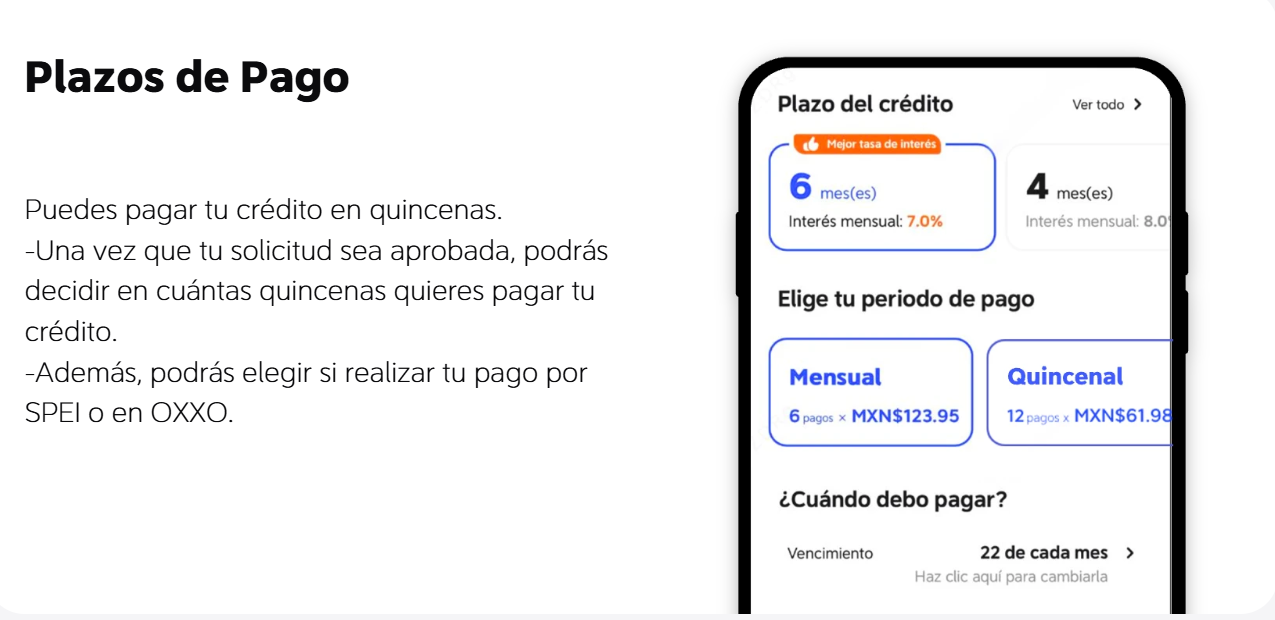
Start by reading three elements on any offer: APR, credit limit, and the repayment schedule. These govern cost, flexibility, and risk. In fintech terms, underwriting methods can change how quickly you get approved and what terms appear on the app. When a provider mentions instant approval, check whether that means full underwriting or just a pre‑approval — the difference affects your long‑term cost.
How to maximize benefits: clear actions
Focus on behavior more than hype. A straightforward routine yields the largest gains:
– Use the card for predictable, recurring payments that qualify for higher rewards, such as fuel or commuter credits.
– Keep utilization low relative to your credit limit; aim for 10–30% rather than 70% to protect your score.
– Set autopay for at least the minimum, then pay down variable balances weekly when possible to minimize interest accrual.
Rewards stack best when you pair merchant offers with in‑app promotions. Track category caps and redemption windows to avoid leaving cash on the table.
Common mistakes users make (and how to avoid them)
People often treat a digital card like cash — convenient and free. That leads to two consistent errors: overspending because the line feels virtual, and ignoring small fees that compound. Also, misunderstandings about promotional APRs can be costly; the promotional rate often expires, and the post‑promo APR applies retroactively in some agreements. Read terms and archive screenshots of any limited‑time offers — they matter at reconciliation.
Practical checklist before applying
Use this short checklist to evaluate a provider quickly:
– Confirm the real APR and whether it’s variable.
– Verify fee schedule: late fee, foreign transaction, annual fee.
– Check the loyalty mechanism: points, cashback, or ride credits — and the redemption path.
– Review customer support channels and dispute resolution timelines; in busy markets like Mexico City, response time matters.
Real‑world anchor: what worked in Mexico City
During 2020–2022 the shift to digital payments accelerated among gig drivers and small retailers in Mexico City; many adopted credit tools to smooth cash flow. Those who used rewards strategically — for fuel, vehicle maintenance, or bulk supplies — reduced monthly operating costs by noticeable amounts. The lesson: real transactions, tracked and categorized, reveal where a card delivers value.
Alternatives and when to choose them
If you need short-term liquidity without revolving interest, consider small personal loans rather than maxing a credit card. For regular, heavy spending, a card with a higher credit limit and clear cashback on essentials may beat point‑heavy offers with restrictive redemption. Balance interest cost versus reward rate — a high APR erodes any benefit unless you pay in full every cycle.
Closing — three golden rules for selection
Choose based on: (1) net value per dollar spent after fees and APR, (2) alignment of rewards with your actual spend categories, and (3) clarity of terms and support channels. These metrics cut through marketing and reveal which offers are genuinely useful.
Final note — the right card is a tool for predictable savings and smoother cash flow. For many drivers and urban freelancers, that practical edge is why products like DiDi Finanzas fit into daily life — a simple solution that meets real needs. —