

Opening — cut through the smoke
Yo, real talk — isolongifolene gets tossed around like it’s this mystical pine ghost, but most of what people believe? Straight myths. Right off the jump: isolongifolene is a measurable sesquiterpene with a fingerprint you can prove in the lab, not a hit-or-miss street rumor. This piece is about busting myths and showing how consistency actually happens in practice — from raw pine resin to finished spec — so brands and formulators know what to trust.

Myth 1 — “It’s just another pine smell”
Nah. Isolongifolene’s aroma and functionality are distinct. Unlike general “pine” terpenes, isolongifolene contributes woody, balsamic undertones and can alter base notes in perfumery and flavor matrices. Industry cats use GC-MS to confirm the terpene profile — that’s where you see isolongifolene’s peaks and know it ain’t a blend. Treating it as generic pine risks flattening your accords and missing expected stability in the base.
Myth 2 — “Batch fluctuations are unavoidable”
Folks think natural stuff equals chaos. Not true. With controlled extraction and proper QA, batch variance drops real low. The real drivers of fluctuation? Feedstock variability, crude distillation cut points, and sloppy blending. When producers apply consistent fractional distillation cuts and document boiling point ranges, you get repeatable isolongifolene content — science, not luck. —
How production actually locks in consistency
Here’s the lean: producers start with consistent pine resin quality, then use steam or vacuum-assisted distillation to pull terpene fractions. Precise cut points and a verified terpene profile (via GC-MS) keep isolongifolene levels steady. Historical note — the naval stores industry in the southeastern United States scaled turpentine and resin processing in the 1800s, which taught producers how feedstock sourcing matters big time. Modern refinements just build on that old-school lesson.
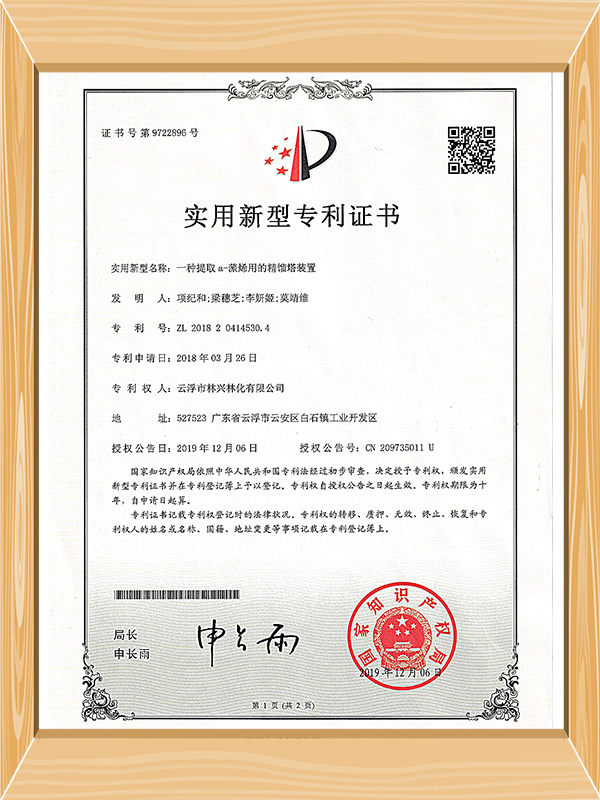
Where distilling turpentine fits into the workflow
The distillation step is critical — it’s where you separate volatile fractions and concentrate target sesquiterpenes. Operators who standardize their distillation parameters (temperature profiles, reflux ratios, and cut timing) minimize cross-batch drift. If you wanna dig into methods, look at industry write-ups on distilling turpentine — they map the practical moves from crude resin to refined fractions.
Common mistakes brands and labs make
List time — these are the things that kill consistency fast:- Ignoring feedstock traceability: different forest zones yield different terpene baselines.- Skipping analytical verification: no GC-MS, no receipts.- Using vague specs: “pine extract, 10–20% sesquiterpenes” is useless on a fill line.Also, assuming a single supplier’s sample equals full-run quality — don’t. Always demand batch certificates and stability data — you gotta lock that down.
Alternatives and when to pick them
If you need hyper-consistent isolongifolene content, options include: synthetic isolates, standardized distillates, or blended terpene fractions with tight specs. Synthetics give a reproducible profile but change perception for clean-label claims. Standardized distillates strike a middle ground — natural origin with controlled composition. Choice depends on your positioning: premium naturals, cost-sensitive CPG, or clinical-grade formulations.
Proof in the lab: verification tactics
Use GC-MS and retention index checks as your baseline. Complement that with sensory panels for organoleptic drift over time. Monitor boiling point windows during fractional distillation and keep a log of resin origin and harvest date. Small investments in QC systems save massive headaches during scale-up — no cap.
Three golden rules for choosing suppliers and locking consistency
1) Require documented analytical methods: insist on GC-MS reports and retention index data for every batch. 2) Force-feed feedstock transparency: origin, harvest season, and storage conditions must be auditable. 3) Make process specs contractual: distillation cut points, temperature profiles, and acceptance criteria belong in the contract — no handshake deals.
Close — practical takeaways and where Linxingpinechem fits
When you want isolongifolene that behaves the same across launches, look for partners who marry analytical rigor with stable process control — that’s the gap Linxingpinechem fills by offering traceable fractions and documented distillation practices. Trust the data, not the hype. —
Linxingpinechem brings the process discipline and batch-level proof you need to ship products that perform — period. –