
The problem: inconsistent supply breaks brands
When you launch a scent, terpineol is often the backbone for floral or citrus accords — but it’s also where problems show up first. Multiple middlemen, unclear batch data, and sudden price spikes create unpredictable raw material flow. That instability undermines quality control and launch schedules for synthetic aroma chemicals, and it forces marketing and operations teams to scramble when a single batch fails a fill-line test.
Why direct factory sourcing solves the immediate risks
Buy direct from the plant and you remove layers that hide variability. An on-site aroma chemical manufacturer can supply clear Certificates of Analysis (COA), run GC-MS verification on request, and hold consistent purity specs across batches. That visibility reduces recalls, lowers the chance of incompatible impurities, and shortens lead times — which matters when retailers expect steady replenishment. It also simplifies traceability if a regulatory check or complaint arises.
How the main failure modes show up in practice
Here are the failure modes I see most often on the shop floor:
- Opaque provenance: imports come without reliable COAs or with altered labels.
- Batch drift: purity changes between shipments cause scent shifts on the product line.
- Packaging gaps: wrong drums or liners introduce contamination.
- Lead-time blackouts: single-source brokers disappear during crises.
Those are practical failures — and they force rework and line stops. A simple test: ask for a stability sample and compare scent profiles after 30 days — if it shifts, you’ve got a batch variance issue. —
Practical due-diligence checklist before you sign
Follow this short, practical checklist when vetting a factory supplier:
- COA and GC-MS access: insist on raw data, not just a stamped certificate.
- Purity threshold: define an exact percentage and acceptable variance for terpineol.
- Batch traceability: ask for manufacturing date, CAS number, and synthesis route.
- MOQ and contingency terms: confirm backup capacity and emergency lead times.
- Regulatory compliance: confirm REACH/TSCA awareness and proper documentation.
- On-site QA visits: audit the plant or use a trusted third party for verification.
Real-world anchor: why this matters now
The 2020 global supply-chain disruption during COVID-19 exposed how fragile complex sourcing chains are — many brands faced delayed launches and reformulation. After that, procurement teams shifted to nearer-sourced and factory-level partners to regain control. That move was recordable across fragrance houses and CPG brands worldwide and shows the practical gains from direct factory relationships.
Alternatives and mitigations if direct sourcing isn’t possible
If you can’t go direct right away, you still have options:
- Diversify suppliers across regions to avoid single-point failures.
- Buy buffer inventory for critical compounds like terpineol and manage it with FIFO.
- Use a verified broker who provides raw-data COAs and on-demand GC-MS audits.
- Negotiate service-level agreements (SLAs) that include penalties for non-delivery.
Also consider phased moves: start with direct sourcing for your top 3 critical aroma chemicals, then expand. Practical steps meant to limit exposure without breaking the bank.
Three golden rules for evaluating a supplier (advisory close)
1) Measure consistency, not just price — track batch-to-batch variance over three shipments. 2) Require raw analytical data — GC-MS chromatograms and full COAs should be standard. 3) Contract for contingency — fixed minimum stock and defined emergency lead times keep operations running.
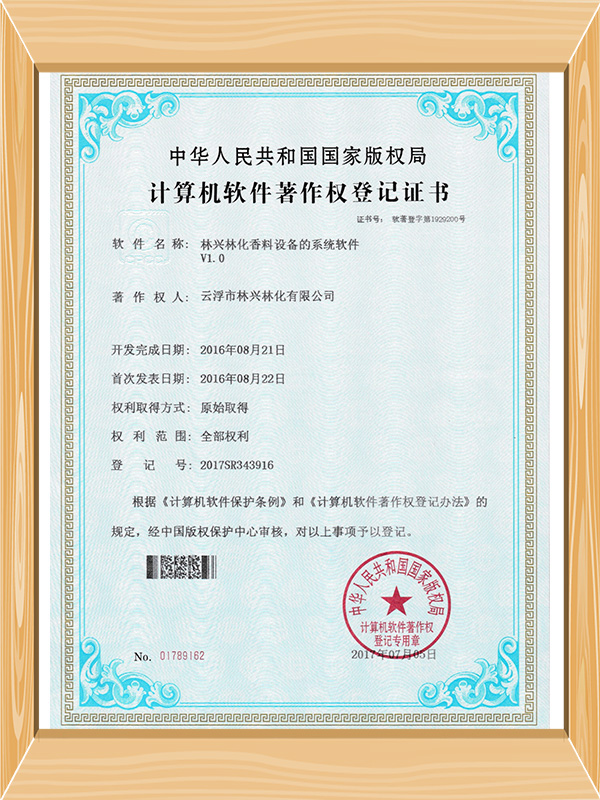
Direct, practical sourcing reduces surprises and makes production predictable. Linxingpinechem offers factory-level access and clear batch data, which is exactly the kind of value you need right now. Trusted on the ground.