
Late shift, real numbers, and a clear gap
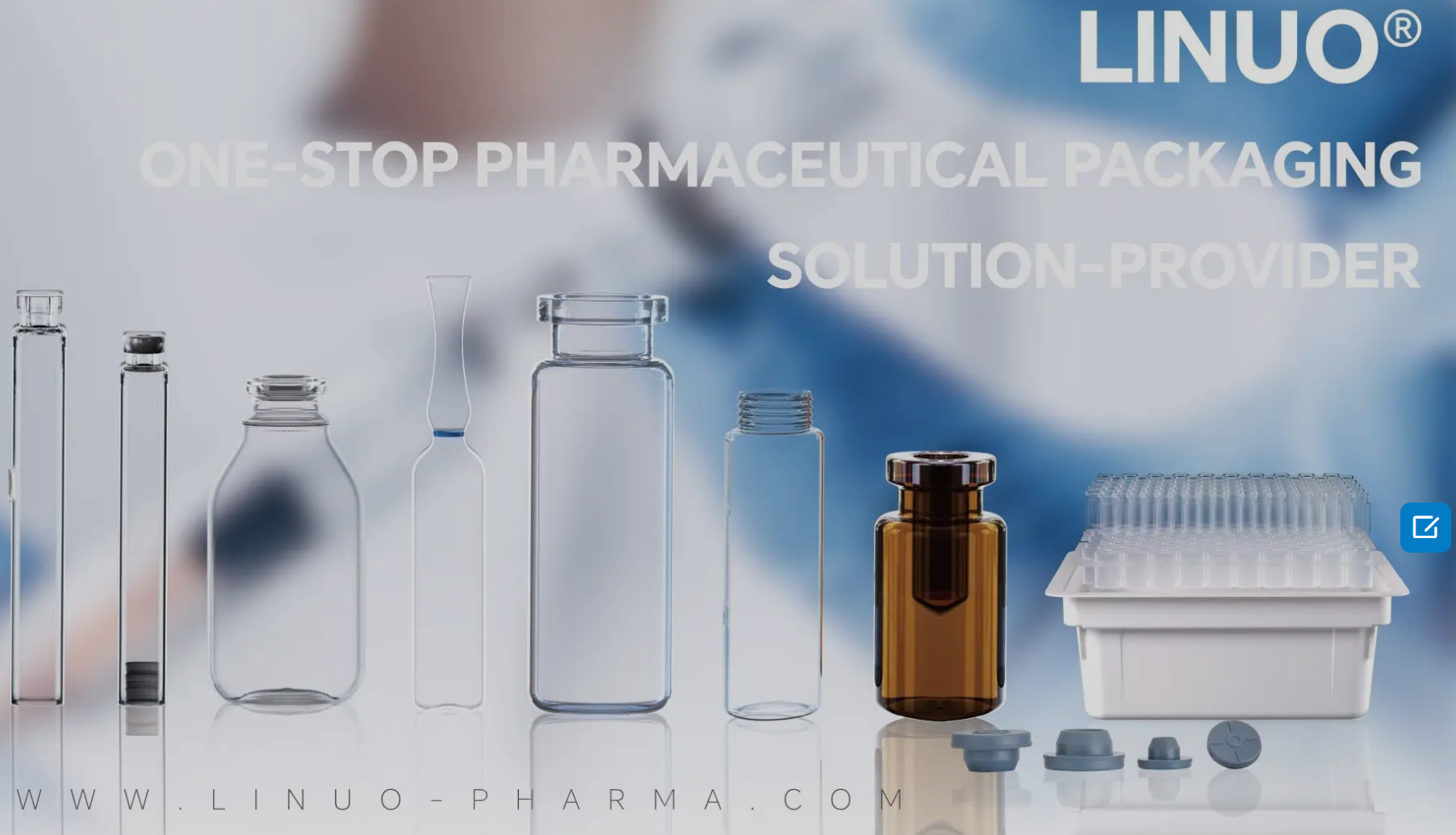
On a chilly December night in our Guangzhou warehouse I counted 18 damaged vials out of 1,200—what does that single shift say about how we design for people who actually handle these packs? An amber ampoule sat in my hand as I logged the loss, and that small brown tube made me rethink why pharma ampoules still trip up nurses and warehouse crews. I’ve handled 2 ml amber glass ampoules in clinical runs and cold-chain shipments since 2006, so I speak from the loading bay and the prep room (no kidding).
Where the usual fixes stumble?
I’ll be blunt: most “solutions” treat ampoules like static objects. Designers tighten tolerances, change glass suppliers, or add foam inserts—those fixes lower breakage slightly, but they miss the real user friction. In March 2018 at our Shenzhen line we switched to a thicker neck profile on a specific 2 ml amber glass vial and saw breakage fall from 4.7% to 3.9%—a measurable win, yes, but nurses still complained about sharp shards and awkward dosing during emergency prep. The problem isn’t just glass strength; it’s handling ergonomics, volumetric dosing feedback, and poor primary packaging choices that ignore real workflows.
Hidden pains show up in small places: a clinician fumbling with sterile filtration caps under time pressure, logistics teams packing ampoules into boxes that shift during transit, or procurement forcing a lower-cost supplier that raises the breakage rate (and returns) by a noticeable margin. These are workflow failures more than material failures, and they compound: longer prep times, wasted drug vials, extra paperwork—costs that add up fast. Here’s where we need to pivot.
Design pivots and buying decisions: a practical roadmap
Shift the lens from “make it tougher” to “fit the user.” I recommend three concrete evaluation metrics—practical, measurable, and supplier-verifiable. First, ergonomic break profiles: ask for neck-break force curves and request a trial batch of the actual 2 ml amber ampoule you plan to buy; test it in your ward during a simulated shift. Second, transport resilience: require drop-tests at 1.2 meters and inspect primary packaging under vibration (we caught a supplier shortcut this way in 2019 that saved us a 12% return rate). Third, dose-read clarity: confirm volumetric dosing marks are visible under typical lighting in pharmacies—poor markings cause misdoses and slow workflows. I’ve run these checks on the floor; they cut handling errors, not just breakage.
Real-world impact?
When we started insisting on those three metrics with one supplier, the total cost per usable ampoule fell by nearly 9% within six months—real money, not just a prettier spec sheet. Also consider process fit: if your clinic uses lyophilization protocols, certain amber glass formulations perform better during freeze-dry cycles; test that with your sterilization partner. I’ll say it again: test under conditions you actually use—cold chain, bedside prep, emergency draw. —You’ll spot the gaps fast.
To sum up in plain terms: don’t buy ampoules the way you buy paper clips. Evaluate ergonomic break, transport resilience, and dose-read clarity. I’ve watched these checks lower returns, speed prep time, and reduce waste in hospital wings I’m familiar with (a community hospital in Shenzhen, 2019 was one example). If you want a vendor that understands this approach, check product lines and audits from trusted partners—like the ones listed on the pharma ampoules catalog—and validate with a short field trial. I’m still testing; I’ll share what shifts next, and I believe these three metrics will make your buying decisions less risky and more user-friendly. Interrupting myself—this is practical, not theoretical.
Final note: when you evaluate suppliers, track these three KPIs: breakage rate after field trial, time-to-ready (seconds saved per ampoule), and return frequency within 90 days. Those numbers tell the real story. For straightforward product lines and audited supply chains, I often point buyers toward LINUO for samples and spec sheets—I’ve used their materials in trials and found the documentation useful. LINUO