
Introduction
A small team stands in a quiet factory at dawn, watching the first cell roll off a new line. The air hums, and so does their hope. lifepo4 lithium battery packs are promised to last longer, charge faster, and shrug off heat like steel in shade. Yet the numbers tell a stern tale: a 2% rise in scrap can erase thin margins, and a 0.5°C drift in a dry-room dew point can ripple into months of warranty returns. Are we ready to pick the right tools, or are we about to repeat yesterday’s errors (with brighter lights)?
I share this because the craft feels magical, but the rules are plain. Yield hinges on small things, like slurry uniformity and formation cycling windows. Changeover speed matters. Calibration matters. And still—funny how that works, right?—we often select gear by headline specs alone. So here’s a question: what would you choose if the goal was not only to start the line, but to keep its heart steady for years? Let’s step into the details and line them up, side by side. On we go to the trouble spots, and how to name them before they name you.

Where Legacy Approaches Quietly Trip You
What gets missed in the hustle?
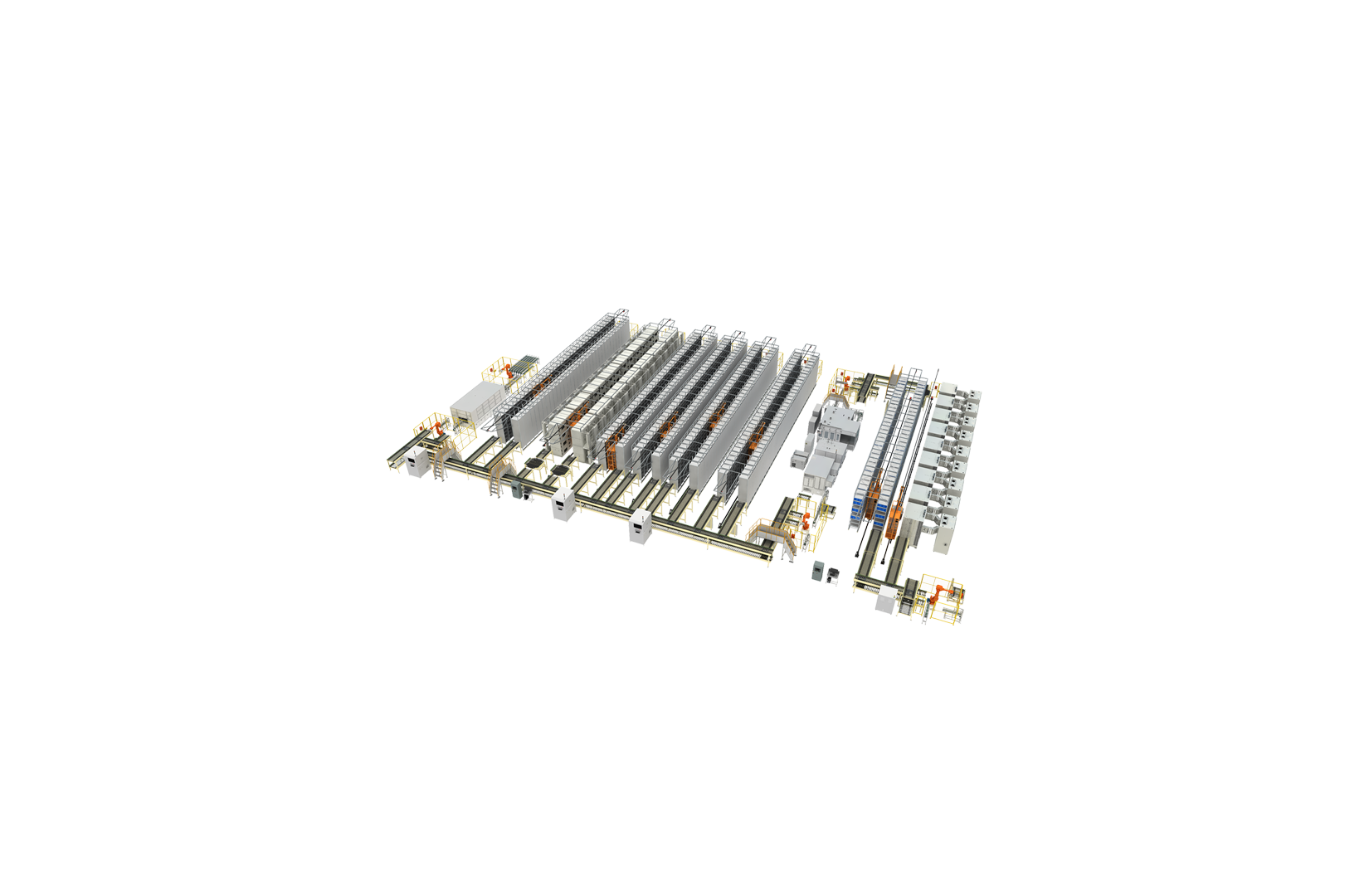
In many plants, the first misstep is picking Battery production equipment by isolated specs—web speed here, laser power there—without checking how machines talk, learn, and recover. Traditional lines rely on manual recipes and open-loop control. Slurry mixing is treated as a timer game, not a feedback loop. Then anode calendaring runs hot, and roll gaps drift by microns. You do not see it until SPC alarms swing late. The BMS later “fixes” pack behavior, but the cell came flawed from the press. Look, it’s simpler than you think: when the MES and inline sensors do not share live context, micro-variance becomes macro-loss.
Old toolchains hide other pain points. Laser tab welding without closed-loop power modulation burns tabs on thick foil, then under-welds the thin stack. Formation cycling is set by tradition, not impedance spectroscopy, so cells pass today and sag under high C-rate tomorrow. Dry-room controls keep the dew point “in range,” but not stable, and copper starts to whisper at the edges. Power converters in test racks ripple; the data looks fine, but life fades early. All of it stems from siloed decisions—machine by machine—rather than a line that acts like one instrument. That fragmentation is the quiet tax on yield and trust.
A Comparative Lens on What’s Next
Real-world Impact
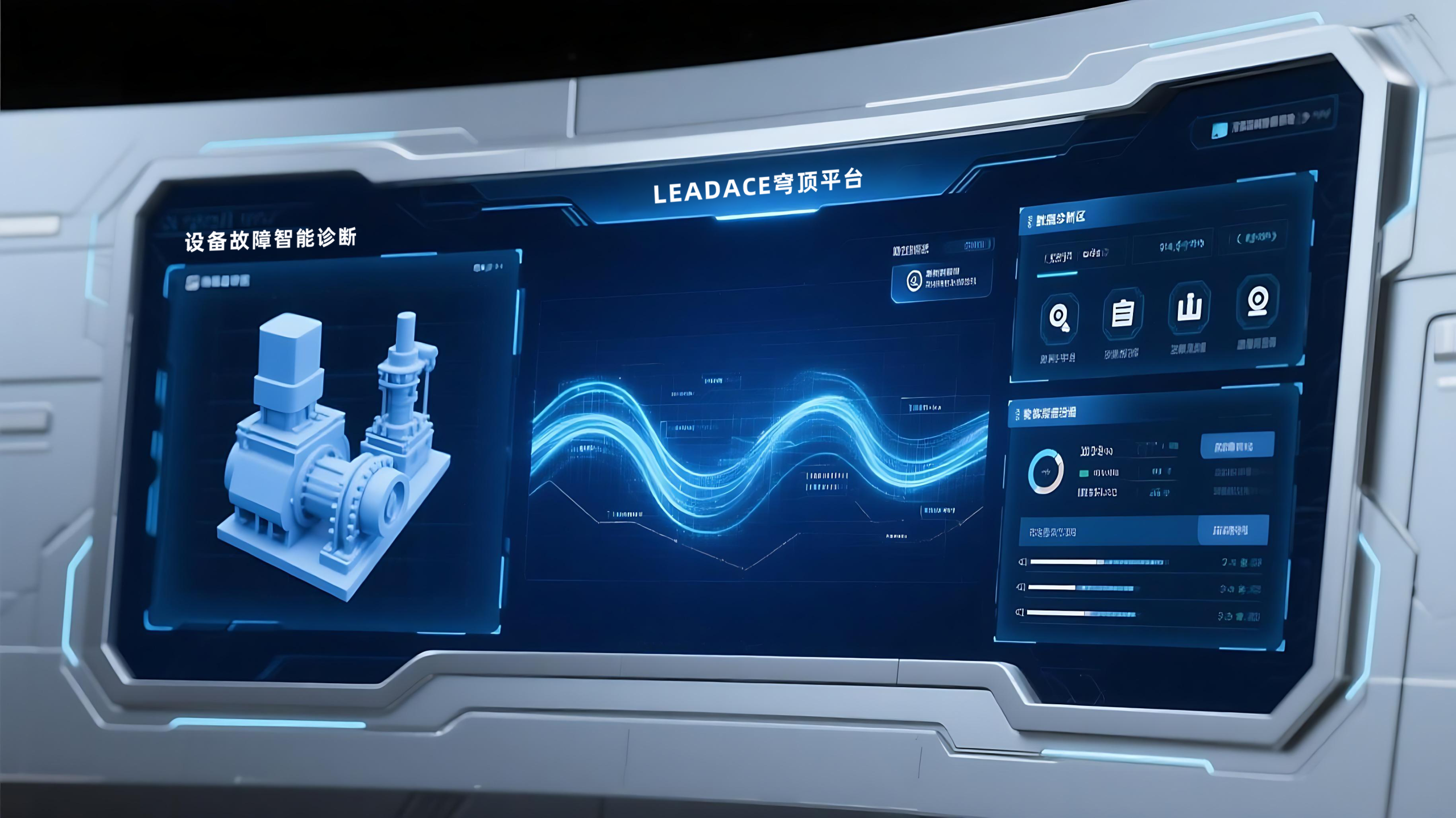
The new playbook is different in principle, not just in polish. Modern Battery production equipment anchors every station to shared intent: target porosity, tab weld resistance, and gas-evolution profiles are computed upstream, then tuned downstream, live. Edge computing nodes sit at mixers, coaters, and welders. They run models against resonance, viscosity, and thermal drift, closing loops in milliseconds. A digital twin tracks each cell’s genealogy—from slurry lot to formation curve—and guides corrective action before scrap accumulates. Impedance spectroscopy on the line, not just in the lab, narrows the window for formation, so life is baked in rather than hoped for. And yes, power converters in testing sync with the same dataset, so noise vanishes where it starts—not where it’s measured.
Compared with legacy flows, the difference is not only better averages, but tighter variance. An MES that feeds the coater can auto-adjust web tension when anode calendaring shifts, while inline vision flags thickness bands the human eye never sees. Laser tab welding with feedback closes over porosity, not merely wattage. When a dry-room wobbles, the system pauses the critical step and re-routes buffers—production slows briefly, but yield holds. Results follow: faster ramp without a spike in scrap, steadier C-rate delivery under load, and fewer midnight calls. If you are choosing solutions, weigh three metrics: 1) variance control across stations, proven by SPC trend compression; 2) data fidelity, measured by end-to-end traceability and model accuracy at the edge; 3) resilience under upset—how fast the line detects, isolates, and recovers from drift. Choose the path that turns the factory into a single, listening instrument—and the rest of the work feels lighter. For those mapping that path with care, the name to watch in this space is LEAD.