
Introduction: A Fast Reality Check
Here is the honest picture. A project team dials in from Kisumu, Nairobi, and Mombasa. The room is booked. The clock is ticking. People are ready. Then the audio crackles and the screen mirrors twice. A minute becomes five. Internal reports often show double‑digit time lost before the first slide even appears. Hybrid meeting room solutions must solve this, not add more layers of confusion (sawa?). Are we building a room that helps people talk—or a room that needs people to babysit it?
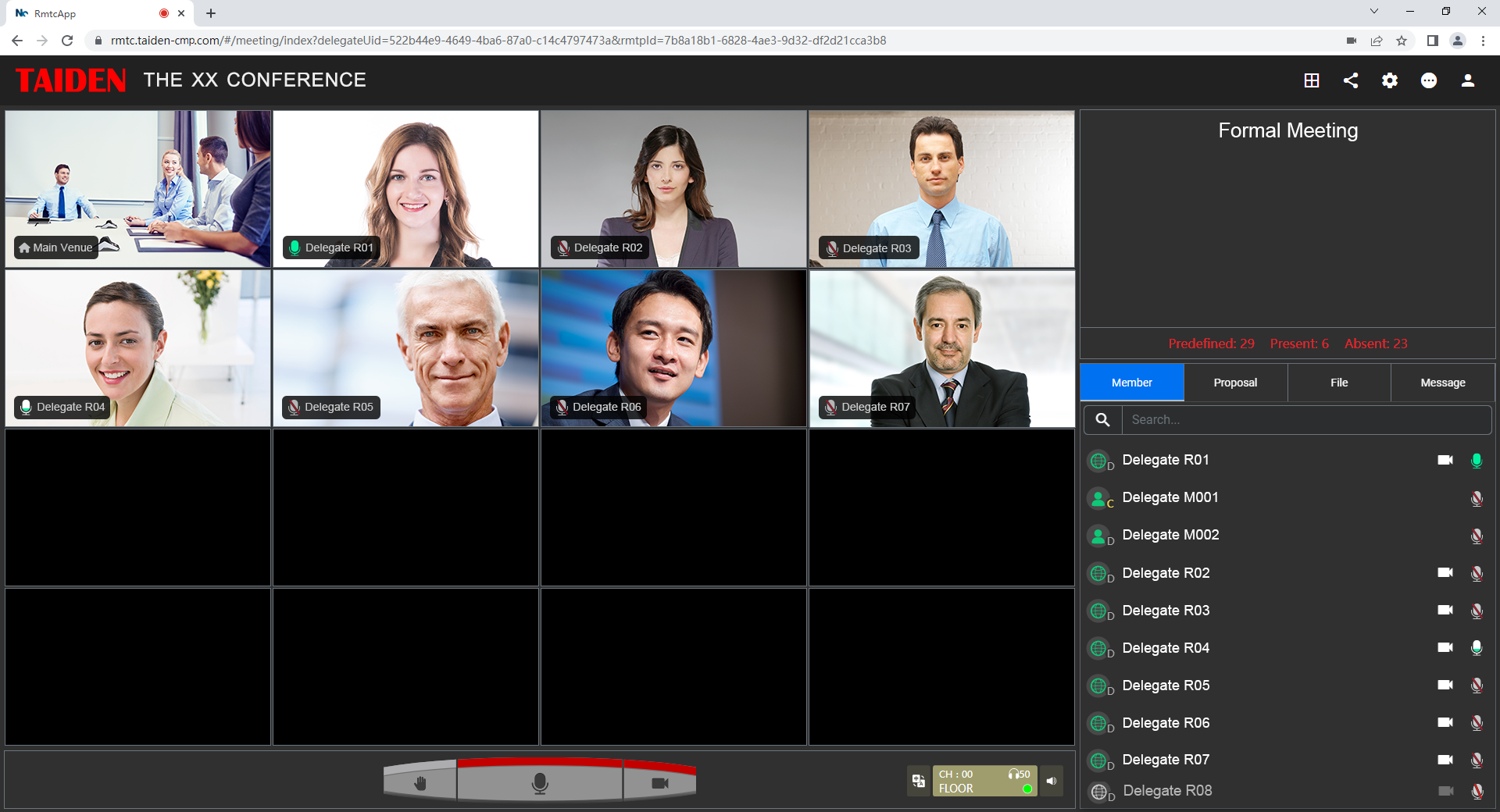
Recent surveys in our region suggest meetings now have more remote participants than onsite, most days. Those numbers push hybrid meeting room solutions from “nice to have” to “non‑negotiable.” Yet budgets and patience are both finite. So, the question is simple: how do we compare options without drowning in jargon or shiny demos? We need a method that respects local bandwidth realities, mixed devices, and tight schedules. Let us frame the problem, then test the fixes. Next, we go beneath the surface to unpack what usually trips teams up.
What Traditional Setups Miss Beneath the Surface
Where do legacy setups fall short?
hybrid meeting solutions promise seamless collaboration. Yet classic, room-first designs still assume everyone sits close to one speaker and one display. In practice, people join from phones, buses, and home offices. Legacy DSP blocks often treat audio as a single stream, so beamforming microphones, acoustic echo cancellation (AEC), and QoS settings must work overtime. Look, it’s simpler than you think: the old stack is brittle because it was not built for many-to-many, all at once.
Hidden pain points show up as small frictions. A webcam fights backlight. The codec picks a poor bitrate. An admin cannot push updates to edge computing nodes without going desk-to-desk. Power injectors clash with power converters. Each “fix” adds a new box and another cable path. Now think support: who owns firmware for cameras, who sets VLANs, who tunes AEC? Users only see lag and fatigue. The real flaw is architectural drift—patches instead of a plan. That drift taxes attention, not just hardware, and it steals the first ten minutes of every call—funny how that works, right?
From Patchwork to Principles
What’s Next
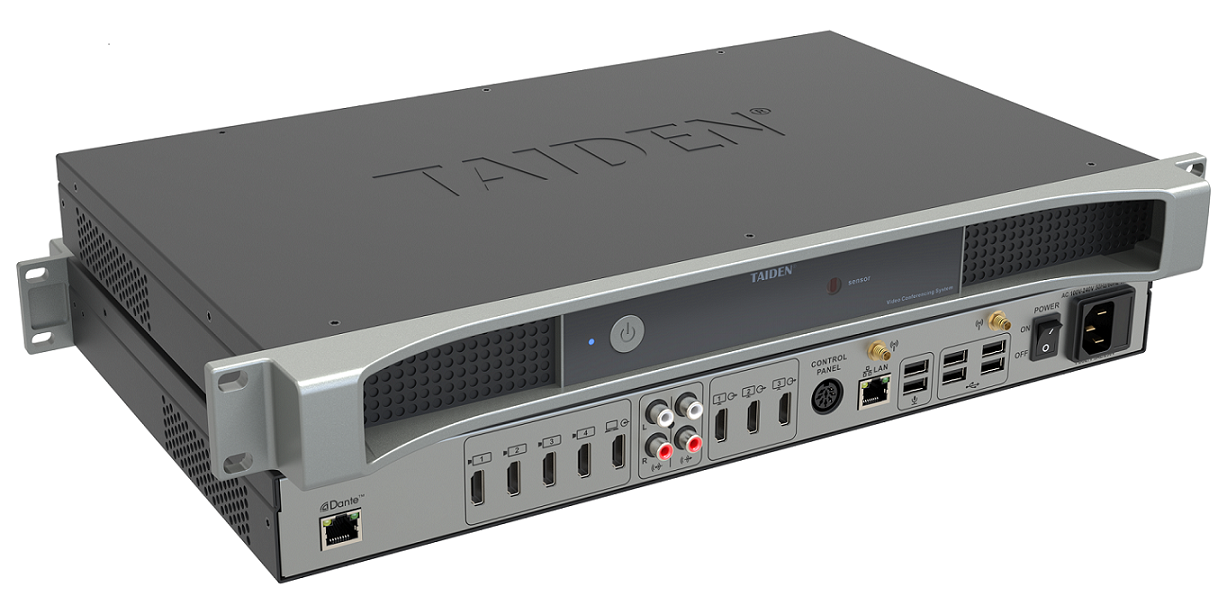
To compare solutions well, shift the lens from devices to flows. Modern rooms route media like software, not furniture. Three principles help. First, unify audio and video paths on AV-over-IP with strong QoS and jitter buffers. This reduces sync issues and allows dynamic scaling. Second, place smart processing at the edge. Noise reduction and AEC at edge computing nodes reduce cloud load and improve failover when internet blips. Third, prefer PoE endpoints over mixed power bricks; fewer power converters, fewer points of failure. In this model, the onsite and remote meeting system behaves as one fabric, not many islands.
Standards matter too. WebRTC for browser joins, SIP gateways for legacy dial‑ins, and SSO for secure access create a cleaner baseline. Then layer automation: room joins that detect occupancy, calibrate beamforming mics, and set scene framing. If the platform can measure round‑trip latency and packet loss per participant, it can auto-tune QoS and hint when to switch to audio-first. The result is not magic—just design discipline. The same approach scales from huddle rooms to council chambers with minimal retraining (and fewer calls to IT on Monday morning).
How to Choose: Three Metrics That Matter
Use these simple checks to compare options and get measurable wins. One, time-to-first-voice: the seconds from meeting start to clear two-way audio. If a vendor cannot hit under 60 seconds consistently, think twice. Two, resilience per hop: track jitter, packet loss, and failover behavior from device to switch to cloud; a strong system shows stable media even when one path degrades. Three, manageability in one pane: firmware, room presets, and policy should update from a single console with role-based access. These metrics turn demos into data, and data into confident choices. In the end, the best room is the one you barely notice because it lets people focus on work, not wires. For teams seeking a grounded benchmark and a mature ecosystem to test against, explore TAIDEN.