
A Clear Night, A Clear Goal
Picture a county fair at dusk. The band wraps up, the sky laser hums to life, and the crowd looks up in a hush. You want crisp beams, not noise, not glare, and certainly not a stern call from the city desk. Data from event audits suggest lighting can eat 25–35% of a temporary show’s power use, and lasers can spike that fast when left untuned. So here’s the question: how do you keep the sky vivid and the footprint lean?
I’ll put it plainly, Midwestern-style. Strong beams are not the only metric. Beam divergence and thermal load shape the real picture. Even a bright unit can look dull if the air is humid or the optics drift out of spec—funny how that works, right? And if your control loop lags, the cues feel late, which makes a tight show feel sloppy. (No one wants that.) Let’s contrast what folks usually do with what actually works, and then we’ll steer toward a smoother path.
Under the Hood: Why Good Beams Still Fall Short
Is the problem power or precision?
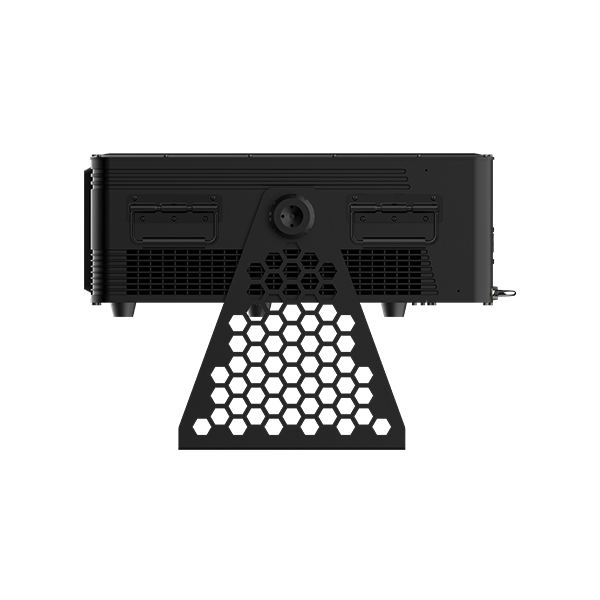
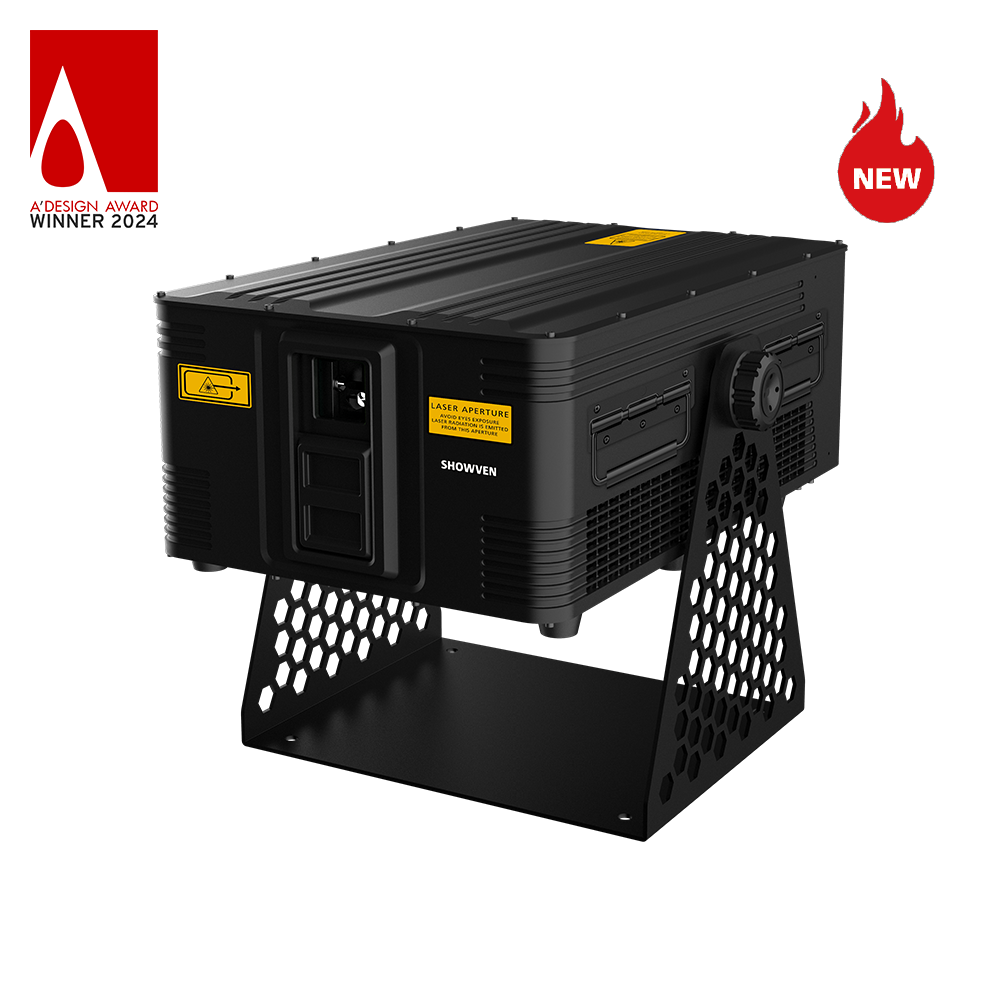
Many teams default to bigger fixtures and longer duty cycles. They source a high-watt sky laser light and push it hard, thinking “more watts, better sky.” That shortcut hides pain points. Power converters may sag under peak draw. DMX chains can add latency when splitters and cable runs stack up. If the galvanometer mirrors are not tuned, lines wobble and fans flare, even though the spec sheet says “high speed.” Look, it’s simpler than you think: a clean control path and stable optics beat raw wattage most nights.
Traditional fixes throw gear at the symptoms. Add another generator. Mount a bigger head. Extend the haze. Yet beam divergence grows as optics warm, and cue timing drifts while operators chase sliders. The result is waste and stress. People stay late to babysit instead of designing. Meanwhile, audiences notice laggy shapes more than lumen counts. The hidden cost is creative time—burned on rework. Focus on the quiet culprits: mirror tuning, scan angles, and regulated power rails. Rein in current spikes, then the same rig draws smoother lines and rests cooler. That’s the deeper layer that keeps shows steady.
Next-Gen Controls, Clearer Skies
What’s Next
Now let’s look ahead, not just around. New control stacks shape power at the millisecond level, using small edge computing nodes near the fixtures to trim latency and smooth cues. Instead of blasting levels, they modulate output to match air clarity and target angles—real-time, not guesswork. With adaptive scan limits and predictive cooling, the fixture maintains tight optics and lowers optical attenuation over a long cue. Pair that with an IP65 housing and the show stands up to surprise drizzle without taped tarps and crossed fingers.
It’s a comparative step up from the “bigger generator” fix. A right-sized unit, tuned with smarter drivers, can outshine a brute-force model because the energy lands where it counts. When your outdoor sky laser light integrates fast control, you get stable color mixing, sharper edges at wide angles, and fewer brownouts when the bass drops—yes, that matters. Think of it as moving from loud to precise. You’re not just lighting the sky; you’re managing time, heat, and air with intent. The net effect: cleaner beams, calmer crews, and permits that sail through because your plan is measurable and tidy.
Practical Takeaways for Choosing the Right Path
Let’s bring the insights together. Old habits dump power into the air and hope for the best. The better route aligns control speed, optic stability, and weather readiness. Use this short scorecard when you compare options:
First, efficiency of beam control: check stated beam divergence at typical show scan angles, not just at lab narrow. Second, control-chain integrity: verify DMX or network latency end-to-end, look for jitter specs, and confirm galvo tuning at your real content speed. Third, resilience and serviceability: look for IP65-level sealing, clear thermal management notes, and fast access to drivers and fuses. If a vendor can quantify these and show logs from rehearsals, you’ll likely avoid overtime and wasted fuel—funny how clarity saves money.
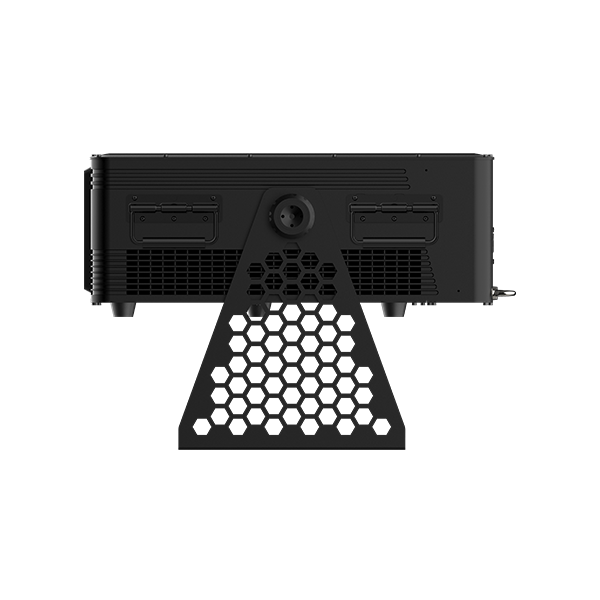
Choose solutions that treat power as a precision tool, not a hammer. That’s how you paint the sky while keeping budgets and neighbors happy. For deeper technical references and product examples, see Showven Laser.