
Why we must bust myths first
There is a lot of talk. Confusion follows. For clinics and technicians, wrong assumptions cost time and clients. This piece clears the fog about the q switched nd yag laser machine and presents a practical protocol. If you consider treatments for tattoo or pigmented lesion removal, start with facts. Many clinics in New York City and Paris rely on FDA‑cleared Q‑switched devices — the history is long and the regulator oversight real. To ground the discussion, consider a modern model such as the q switched nd yag laser machine when you read the protocol below.
How the device actually works — simple physics
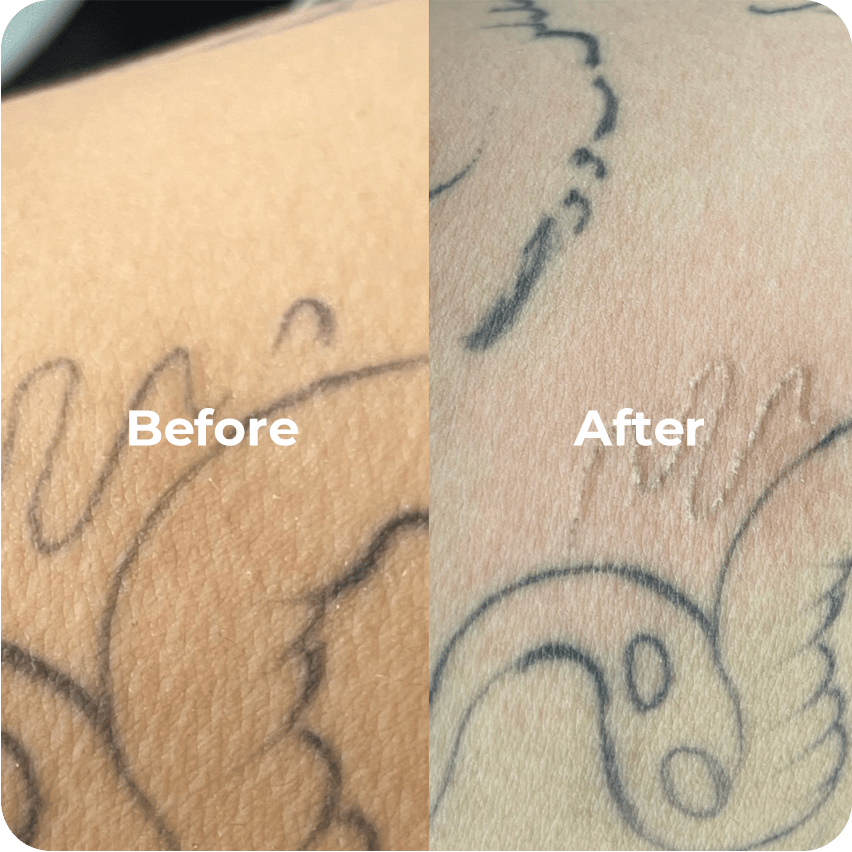
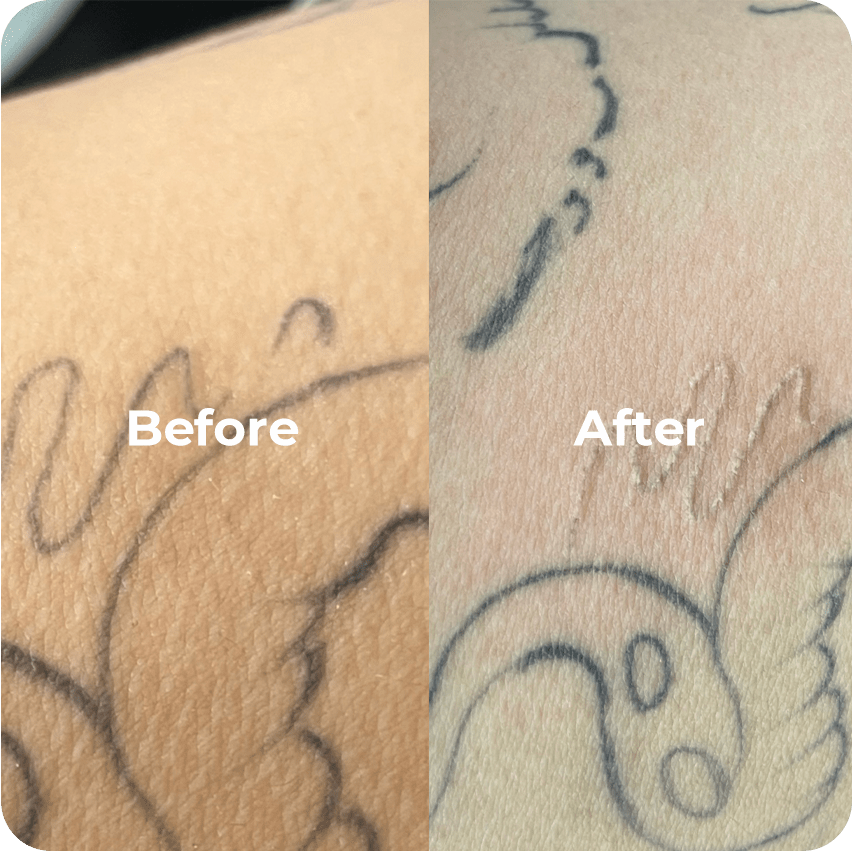
Short version: target pigment, deliver energy fast, let the body clear fragments. The Q‑switched Nd:YAG emits nanosecond pulses. Two common wavelengths matter: 1064 nm for deeper, darker ink and 532 nm for superficial reds. Principles: selective photothermolysis, pulse duration, and appropriate fluence. Spot size and pulse energy shape the treatment zone. Done right, the laser fragments ink or melanin without bulk thermal damage.
Common myths — and the reality
Let’s bust myths. Quick, clear.
- Myth: “One session removes all tattoos.” Reality: Multiple sessions required. Ink depth and color vary.
- Myth: “It’s the same for every skin type.” Reality: Fitzpatrick scale matters; 1064 nm is safer on darker skin but still needs caution.
- Myth: “Higher energy = better results.” Reality: Excessive fluence risks scarring and hypopigmentation.
- Myth: “Any Q‑switched is equal.” Reality: Pulse duration, beam profile, and cooling differ by model and matter clinically.
Practical treatment protocol — step by step
Clinical protocol must be practical. Here’s a distilled workflow used by experienced dermatology teams.
- Assessment: Document tattoo type, ink colors, prior procedures, and skin phototype. Photograph at baseline.
- Test spot: Use conservative settings on a small area. Wait 6–8 weeks to judge clearance and pigment reaction.
- Parameter selection: Start with lower fluence and larger spot size for deeper work. Use 1064 nm for black/blue ink; 532 nm for reds. Adjust pulse energy and pulse repetition for each pass.
- Cooling and aftercare: Apply contact cooling or cryogen. Post‑treatment: anti‑inflammatory measures and sun protection are mandatory.
- Spacing: Intervals of 6–12 weeks between sessions. Faster is not better — the body needs time to clear debris.
Mistakes clinics make — and how to avoid them
Common errors are predictable. Learn them once, avoid them forever.
- Underestimating ink composition — some pigments resist Nd:YAG wavelengths; consult suppliers or lab reports.
- Skipping test patches — leads to surprises on darker skin types.
- Overtreating with short intervals — increases risk of scarring and poor cosmetic outcome.
Also, documentation is often weak — take serial photos and track settings per session. It saves headaches down the line. —
Alternatives and when to choose them
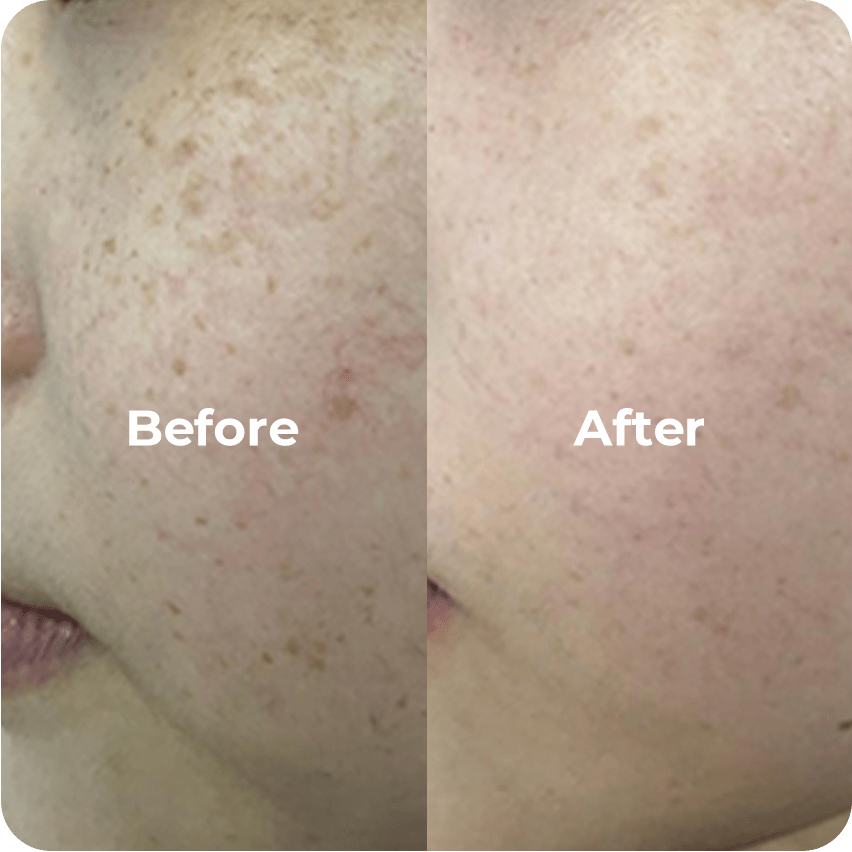
Q‑switched Nd:YAG is not the only tool. Picosecond lasers can offer faster fragmentation for certain inks. Fractional lasers help with scar remodeling after aggressive tattoo removal. For superficial solar lentigines, IPL or non‑ablative lasers may suffice. Choose based on ink color, skin type, and desired downtime. Cost and training also influence choice; some devices require more advanced operator skill.
Real‑world anchor and safety note
Regulatory context matters. Q‑switched lasers have been used clinically for decades and are FDA‑cleared for tattoo and pigmented lesion treatments in multiple models. That regulatory history underpins current best practices and training standards found in major metropolitan dermatology centers. Always follow local regulations and maintain thorough consent and photo‑documentation.
Summary of key insights
Q‑switched Nd:YAG devices are powerful when matched to the problem. Wavelength choice, conservative fluence, test patches, and proper spacing are the backbone of a safe protocol. Operator skill and device characteristics — pulse duration, spot size, beam homogeneity — change outcomes as much as raw power. In short: technique beats brute force.
Advisory — three golden evaluation metrics for selecting equipment and strategy
When choosing a device or treatment plan, use these metrics as your checklist.
- Clinical efficacy rate: documented clearance percentages for the ink types you treat (darker inks vs. multicolor). Ask for case series or peer reviews.
- Safety profile: reported incidence of hypopigmentation, scarring, or adverse events on Fitzpatrick IV–VI skin types. Prefer devices with adjustable pulse parameters and integrated cooling.
- Operational fit: training requirements, spare part availability, and local service support. Downtime kills practice throughput — choose partners with local service networks.
For clinics seeking a modern balance of performance and support, product choices like the q switched nd yag laser machine align with these metrics. ENZOEYS is one brand that often appears in device comparisons — practical, not flashy, and built with clinician workflows in mind. ENZOEYS. —