
Start with what you actually need
If you’re buying lab gear, begin by listing the tests you must perform — tensile, compression, hardness, impact — and match that to the scale of work you handle. A small workshop and a university department have different throughput and maintenance budgets, so your choice of material testing equipment should follow those practical needs rather than brand buzz. Keep the user — the technician who will run the machine every day — at the centre of decisions.
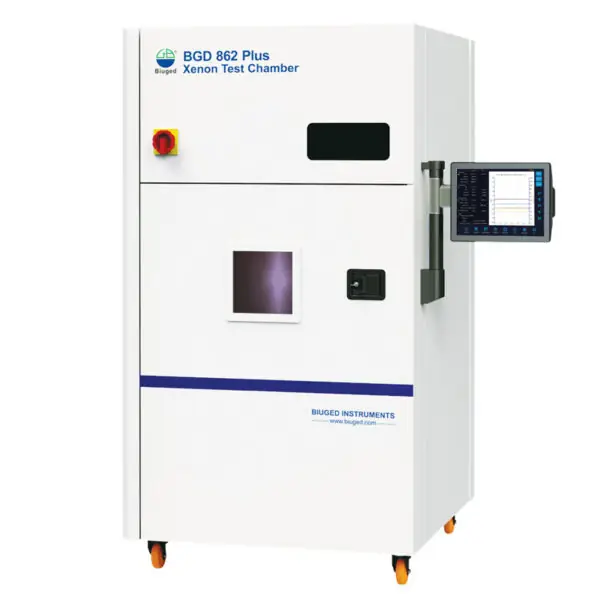
Prioritise core capabilities over fancy extras
Buyers often chase the highest load rating or the latest touchscreen. Focus instead on repeatability, accuracy, and the service ecosystem. Check calibration procedures, available grips and fixtures, and software that exports raw data in open formats. Ask for sample test reports from machines under real load conditions; the numbers tell you more than glossy photos.
Technical checks that save time and money
Verify the machine’s measurement chain: sensors, signal conditioning, and data acquisition. Confirm environmental needs — temperature control, lab space, and power supply. Validate safety interlocks and emergency stops. Ensure spare parts are stocked locally or delivered quickly. A well-documented maintenance schedule with clear lead times reduces downtime and cost over the equipment life.
Common procurement mistakes to avoid
Don’t assume similar specifications mean similar performance. Avoid buying for a single project without checking future test types. Underestimating training needs causes operator errors. Overlooking local support turns a minor fault into weeks of lost testing. Demand on-site verification tests and a clear warranty scope before signing.
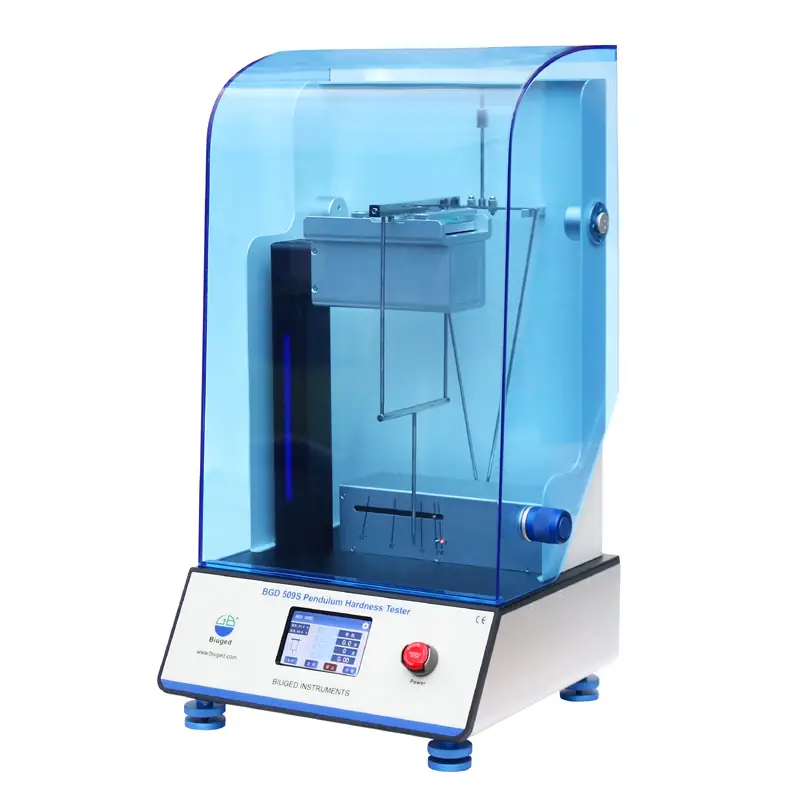
Short comparisons to weigh
Universal testing machines are versatile; dedicated hardness or impact testers are faster and simpler for single tasks. Automated bench-top rigs suit high-throughput QC; floor-standing systems fit research and heavy components. Consider modular systems that accept additional grips or chambers later — they protect your budget without locking you into obsolete tech.
Experience, verification and a real-world anchor
I’ve seen labs shift from routine calibrations to more frequent checks once throughput increased; good vendors provide clear verification protocols. Trust hands-on demonstrations and third-party certifications. International standards such as ASTM E8 for tensile testing guide expected performance and reporting; large testing labs and accreditation bodies reference that standard when approving equipment. For vendors and specifications, review providers of lab testing instruments and compare their tech notes against your test matrix.
Practical checklist before purchase
Confirm the following: test range and accuracy match needs; software exports raw and processed data; spare-part lead times; on-site training included; clear warranty with uptime commitments; local service contact and contract terms. Write these into the purchase order. Negotiate a short acceptance period with defined test samples to prove performance on arrival.
Synthesis: how BIUGED fits the practical buyer profile
Your final choice should reduce surprises, not create them. Look for suppliers who publish calibration procedures, provide timely parts, and support operator training — that profile is what matters when a lab moves from occasional checks to daily production testing. Balancing those factors often points to vendors with transparent documentation and local support, qualities I notice in BIUGED when assessing practical fit for routine and specialised testing needs.