
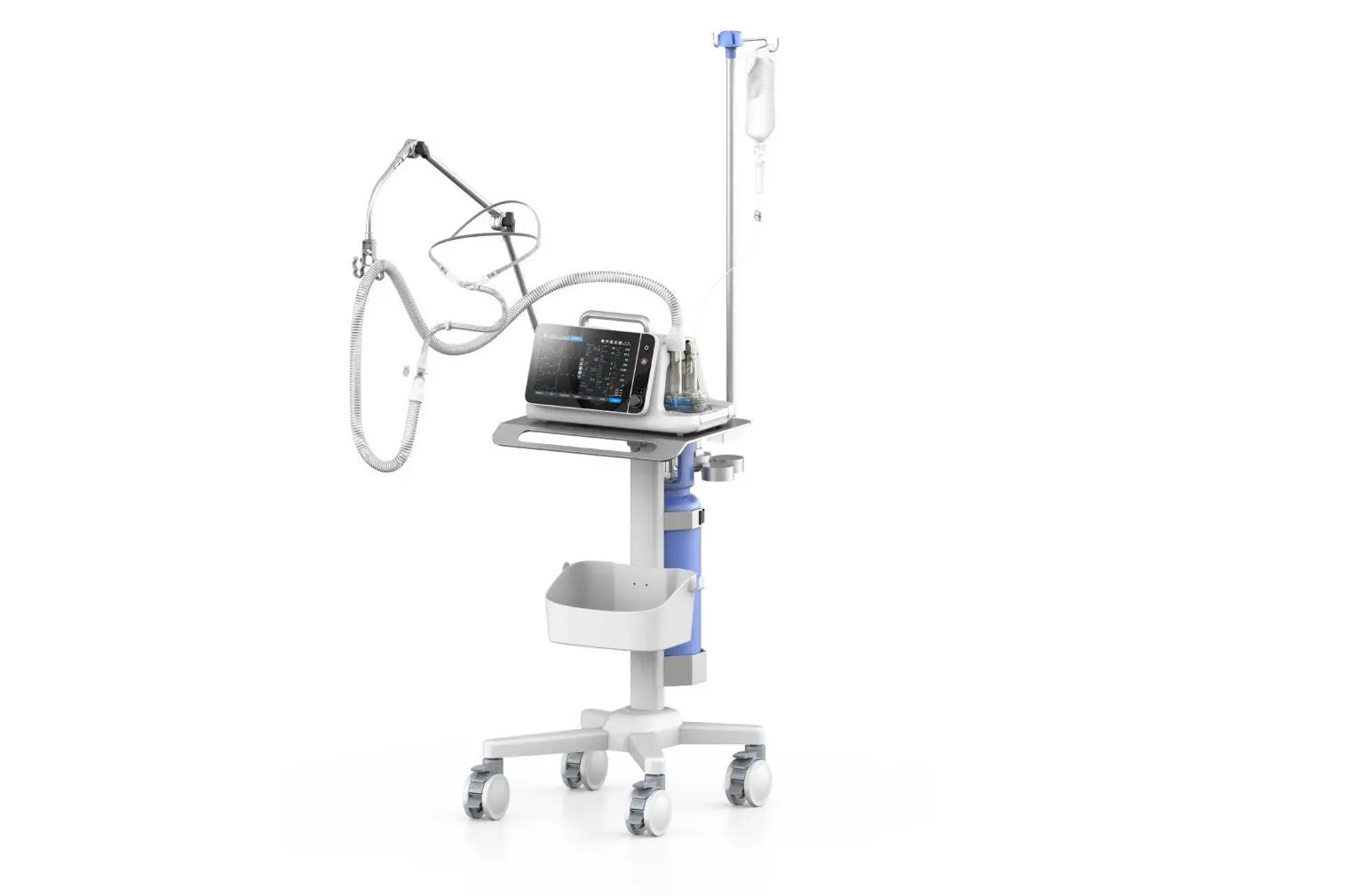
Right off the bat: the problem we’re fixing
Right, listen — if you’ve been shoved into the world of BiPAPs for OSA, you want plain answers, not faff. This comparative piece lines up the features that actually move the needle for sleep-disordered breathing, and it points straight at how a medical ventilator-grade approach changes outcomes. I’ve seen kit vetted in NHS sleep clinics and even spoken to techs at Royal Brompton Hospital — so these aren’t guesses, they’re grafted-in observations.
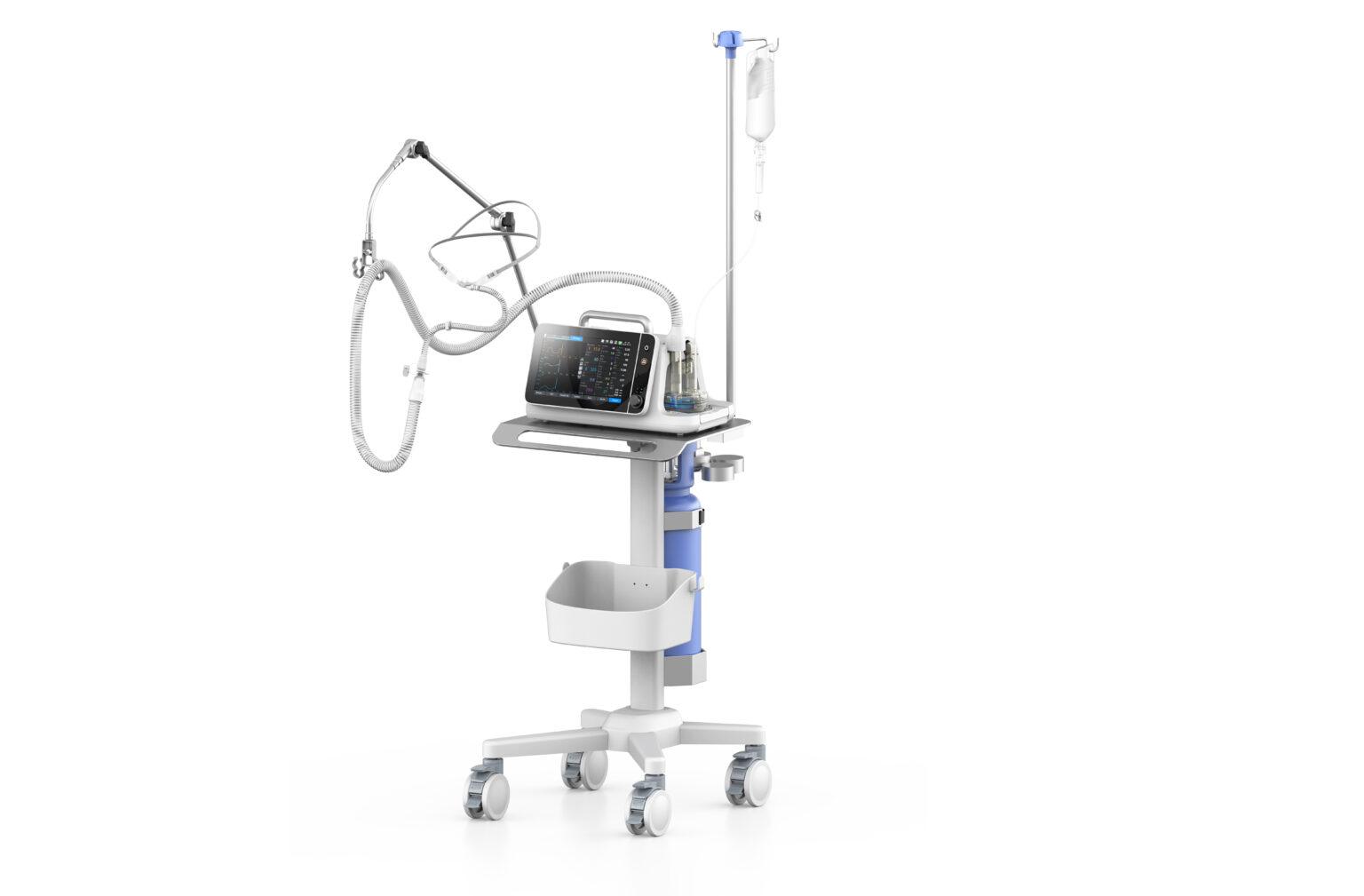
Core comparison axes: pressure control, algorithm, and comfort
First axis: pressure control. Look for reliable IPAP/EPAP ranges with smooth transitions — sudden pressure jumps wake the patient. Second: the algorithm. Auto-titrating devices that adapt to leaks and position changes beat manual settings for day-to-day sleep. Third: comfort components like a decent humidifier and a mask seal that stays put. These three axes decide whether you get better AHI numbers and fewer night-time arousals.
Why hardware quality matters — not just specs
Some BiPAPs list great specs, but the build tells the tale. Robust blowers, proven leak compensation, and decent noise isolation cut through the nonsense. A strong blower tolerates long runs without heat soak; leak compensation keeps therapy consistent when the mask shifts. That’s the sort of industrial thinking borrowed from the medical ventilator world — reliability under load, not just a pretty box.
Mask fit, interface, and patient buy-in
Mask is king. No amount of clever algorithmry rescues a poor mask seal. Cushion shape, headgear adjustability, and available sizes make or break adherence. Expect to try a couple of masks — and don’t skimp on a good nasal or full-face option for position-changed sleepers. — If the patient’s not comfortable, the machine sits idle.
Smart features that actually help (and which don’t)
Useful: auto-titrating pressure, adaptive leak control, ramp settings that start low and ease pressure up, and built-in humidification tuned to the room. Less useful: flashy apps that only show raw time-on-device without context. Data is only good when you know how to interpret AHI trends and tidal volume changes. Keep an eye on connectivity that exports usable reports to clinicians, not just pretty graphs.
Common mistakes to dodge
Buying for headline specs alone. Choosing a mask by looks. Expecting a one-size-fits-all pressure setting. Also, ignoring service and replacement-part access — filters, cushions, and tubing wear out. Make sure the vendor supports quick swaps and has clear maintenance guidance.
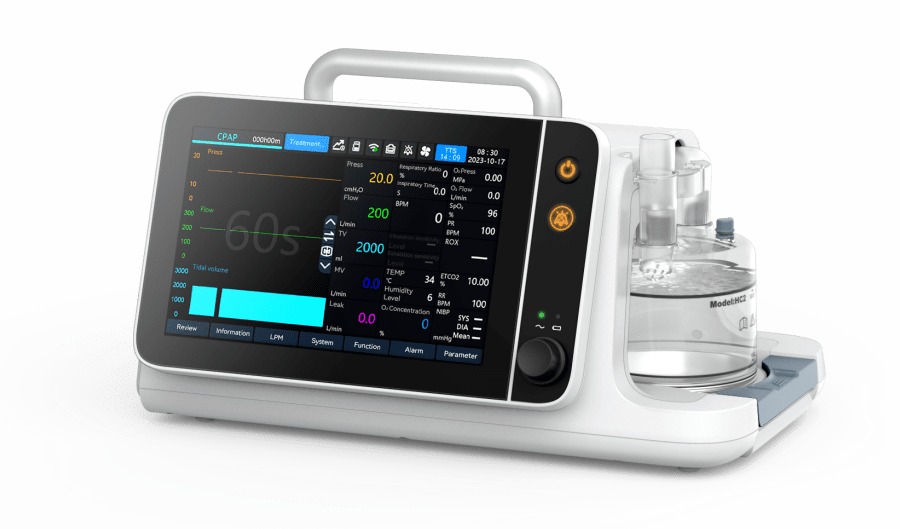
Where the niv respiratory machine and clinical-grade thinking fit
When cases tilt toward complex respiratory mechanics — obesity hypoventilation, comorbid COPD — you want a BiPAP that borrows design philosophy from a niv respiratory machine: sturdier pressure control, advanced leak handling, and conservative safety limits. That crossover matters in hospital-to-home transitions and in clinics that monitor PAP therapy adherence closely.
Quick buyer’s checklist
– Pressure range with smooth IPAP/EPAP transitions; – Proven auto-titrating algorithm with adaptive leak management; – Comfortable mask options and accessible consumables; – Built-in humidifier with humidity control; – Clear reporting compatible with clinician review.
Advisory: three golden rules for choosing the right BiPAP
1) Prioritize consistent pressure delivery over headline max pressures — look for documented performance under leak conditions. 2) Choose devices with replaceable, widely available consumables; downtime kills adherence. 3) Insist on meaningful clinical reporting (AHI trends, leak totals, usage hours) and a vendor that supports clinician interpretation.
Final thoughts — short and on the money
Compare parts, not packaging; favor machines that behave like clinical kit when the night gets rough. For home setups that need hospital-grade reliability, the practical value of a machine that mirrors niv respiratory machine resilience is plain. Byond. — Solid kit, clear results.