
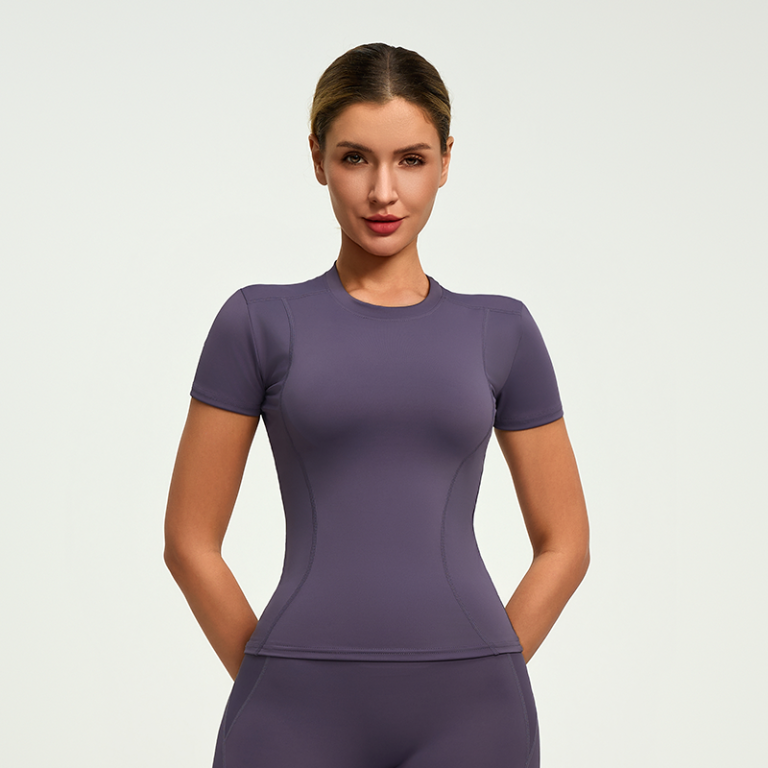
Putting your needs at the center
When a design team needs reliability, they want a partner who listens and delivers—this is the heart of a user-centric approach. Start by choosing a yoga wear manufacturer that treats tech packs, fit trials, and fabric sourcing as collaborative steps, not one-off transactions. Practical things matter: clear grading, consistent flatlock seams, and honest lead-time estimates. Brands that have grown in places like the Los Angeles Fashion District know how to blend rapid sampling with scale production—so use that real-world anchor when gauging feasibility.
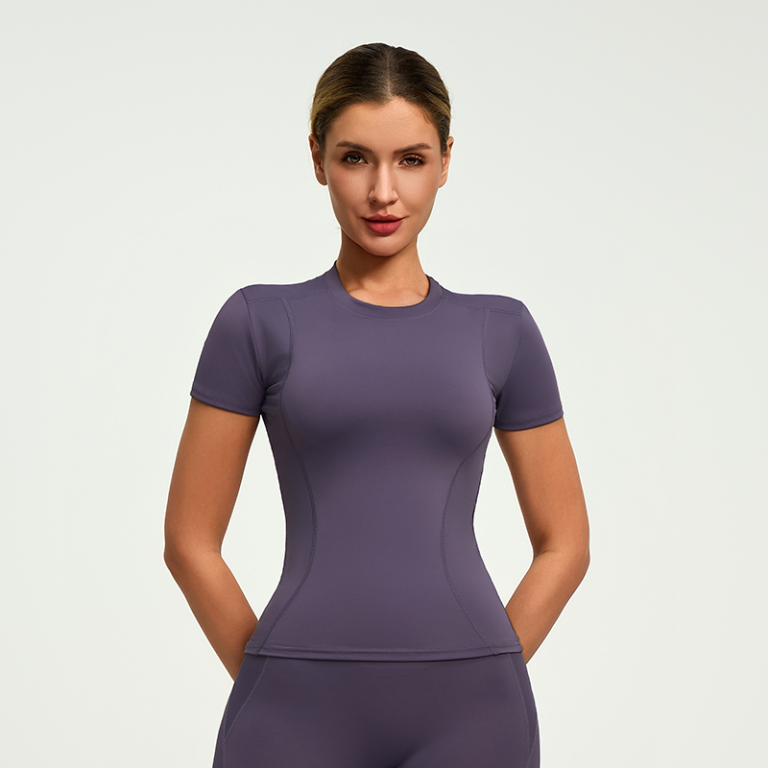
What a true partner should deliver
A good manufacturer provides more than cut-and-sew. Expect prototype cycles, patternmaking feedback, and fabric testing for attributes such as moisture-wicking and compression where relevant. They should be able to produce a small pre-production run and scale to volume without losing quality control. Look for experience with technical fabric and mesh paneling, and ask how they handle quality checks and defect thresholds during production runs.
Common mistakes teams make
Teams often rush to the lowest quote or pick a supplier based on one great sample. That breaks down later—sizing drifts, batches vary, and lead times stretch. Another frequent error: vague tech packs that skip seam allowances, fabric composition or stitch types. Without those details, a patternmaker improvises and you lose consistency. Also, don’t ignore communication cadence—if weekly status updates are missing at the start, they’ll be missing during a crisis. —A brief check-in rhythm set early saves time and money.
How to vet manufacturing capabilities
Practical vetting reduces surprises. Visit production if you can, review samples across three sizes, and request a documented quality-control plan. Check factory workflows: do they have dedicated lines for activewear, trained pressers for delicate fabrics, and protocols for color matching? Ask for sample turnarounds and a clear escalation path for defects. Balance technical capacity—like experience with compression panels or bonded seams—against cultural fit; responsive project management matters as much as a skilled sewing team.
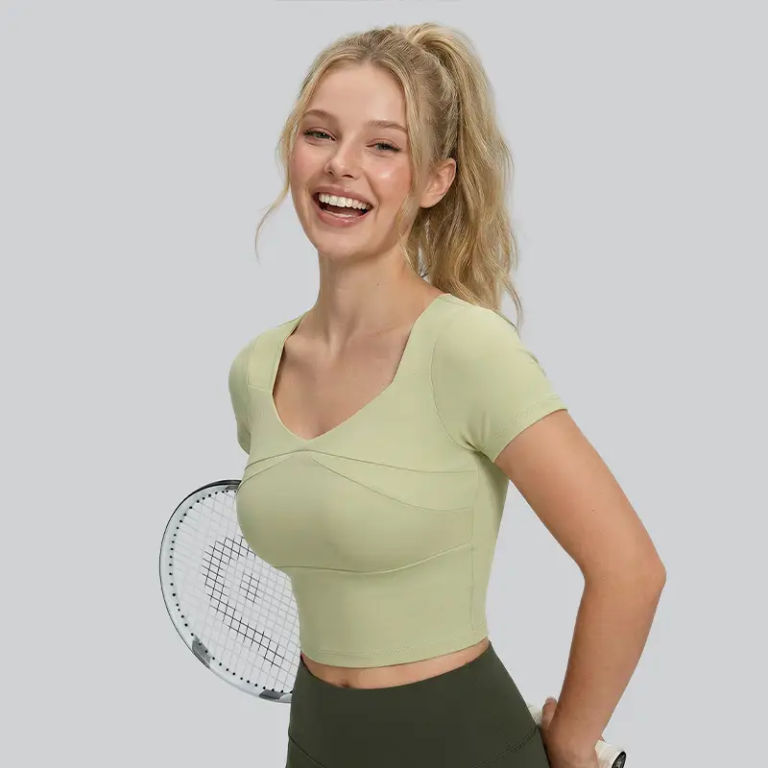
Alternatives and trade-offs
Local partners shorten lead time and make fit sessions easy, but per-piece costs are higher. Overseas partners can hit lower unit costs and larger capacity, yet they require tighter specifications and stronger inspection plans. White-label suppliers accelerate time to market but limit customization; contract manufacturers let you control design but demand stronger upfront investment in tech packs and sampling. Each choice shifts risk and capital needs—decide based on your volume, timelines, and brand promise.
Three golden rules for choosing the right partner
Rule 1 — Require measurable sample performance. Insist on a small wear-test and data: how do fabrics perform after 10 washes? You need objective results, not opinions. Rule 2 — Verify process transparency. The factory should share a production timeline, inspection checkpoints, and an acceptable defect rate. Rule 3 — Confirm communication and contingency plans. Who handles off-spec batches? Who approves rework? These are the operational details that protect launch dates and margins.
When you apply those rules, you’ll find manufacturers who think like partners: they reduce surprises, protect margins, and help refine your product. For teams focused on technical fit and brand consistency, working with an experienced yoga clothes manufacturer often makes the difference between a one-off hit and a sustainable line. Consider those metrics as your checklist—sampling performance, process transparency, and communication reliability—and you’ll shop with clarity. Joebond fits that profile for teams prioritizing fit, finish, and predictable delivery—trust earned through repeatable production and honest timelines. —Final thought: choose partners who solve logistics before you notice the problem.